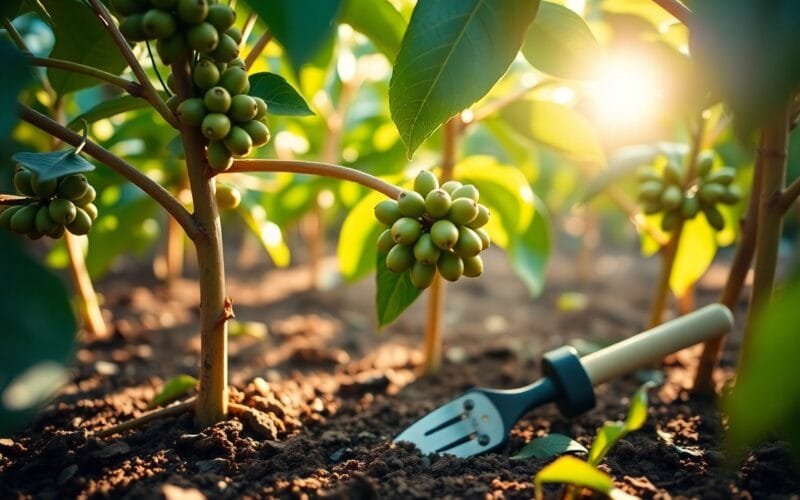
Over the past few years, your curiosity about coffee cultivation may have sparked a desire to understand the journey from seed to cup. In this beginner’s guide, you will learn the various stages involved in growing coffee plants and how long each stage typically takes. From planting the seeds to harvesting the beans, gaining insight into this process will deepen your appreciation for your daily brew and help you begin on your own coffee-growing adventure.
Types of Coffee Plants
When venturing into the world of coffee cultivation, understanding the various types of coffee plants is important. The two primary species you will encounter are Arabica and Robusta, each with distinct characteristics and flavor profiles.
- Arabica: Known for its smooth, complex flavor and aromatic qualities.
- Robusta: Recognized for its strong, bold taste and higher caffeine content.
- Liberica: Offers a unique flavor profile with floral and fruity notes.
- Excelsa: Often used for its deep, fruity flavors and complexity.
- Indigenous Varieties: Local to specific regions, bringing unique taste characteristics.
Recognizing the unique traits of these species can greatly influence your cultivation and brewing choices.
| Type of Coffee Plant | Characteristics |
|---|---|
| Arabica | Smoother taste, sweeter, less caffeine |
| Robusta | Bolder flavor, higher caffeine content |
| Liberica | Distinct aroma, fruity notes |
| Excelsa | Deep, fruity flavors |
| Indigenous Varieties | Unique regional flavors |
Arabica
Arabica coffee plants thrive at higher altitudes, benefiting from cooler temperatures. Known for their rich flavor, they typically have a acidity level that enhances the taste without overpowering it. These plants are more delicate, making them susceptible to diseases but often yield a higher quality cup.
Robusta
Robusta coffee plants, generally hardier than Arabica, can grow in lower altitudes and are resilient to pests. With a stronger, earthier flavor and higher caffeine content, Robusta is often favored for espresso blends due to its crema-enhancing properties.
Robusta has approximately twice the caffeine of Arabica, which contributes to its bolder taste and makes it a preferred choice among some coffee drinkers. Its resilience allows it to thrive in diverse growing conditions, providing higher yields and lower production costs, appealing to commercial growers. This makes Robusta significant in the global coffee market, especially for instant coffee and blends.
Factors Affecting Growth Time
Your coffee plant’s growth time hinges on several critical factors. These include climate conditions, soil quality, and care practices. A well-tended environment can accelerate growth, while neglect can stifle it.
- Climate conditions
- Soil quality
- Water availability
- Sunlight exposure
- Fertilization and care
This guide on Coffee Plant Care for Beginners: Tips, Facts, & More can help you understand these factors better.
Climate
The climate in which you plant your coffee trees directly influences their growth rate. Coffee thrives in temperatures ranging from 60°F to 70°F (15°C to 24°C) with consistent rainfall. Too much heat or cold can stunt development.
Soil Quality
Your coffee plants require well-draining, nutrient-rich soil for optimal growth. Soils rich in organic matter can promote healthy root systems, enhancing the plant’s growth rate. Maintain appropriate pH levels, ideally between 6 and 6.5, for the best nutrient absorption.
Focus on adding compost or organic fertilizers to improve soil quality. Healthy soils with good drainage reduce the risk of root rot while providing necessary nutrients for growth. Regular soil testing will help you adapt to your plants’ needs and ensure they get what they require.
Step-by-Step Guide to Growing Coffee
Growing coffee requires dedication and attention to detail. Start by choosing the right variety for your climate, as different types thrive in various conditions. For a comprehensive overview of nurturing your coffee plant, you can check out How to Grow & Care For the Coffee Plant. Here’s a structured approach to get you on your way:
| Step | Description |
|---|---|
| 1. Seed Selection | Choose high-quality coffee seeds or seedlings that are well-suited for your environment. |
| 2. Planting Techniques | Use the right spacing and depth for planting seeds to ensure optimal growth. |
Seed Selection
Selecting the right seeds is crucial for successful coffee cultivation. Opt for Arabica or Robusta seeds based on your taste preferences and local climate. Make sure the seeds are fresh and sourced from reputable suppliers to enhance germination rates and plant health.
Planting Techniques
Proper planting techniques set the foundation for thriving coffee plants. Start by preparing the soil with organic matter to enhance drainage and nutrients. Space your seeds about 2-3 feet apart and plant them at a depth of 1-2 inches. In regions with heavy rains, consider raised beds to prevent waterlogging.
Ensure a well-draining potting mix or soil when planting, and consider using mulch to retain moisture while preventing weed growth. Regularly check humidity levels and adjust watering practices to promote healthy root development. If you’re planting seeds directly, germination typically takes 2-4 months, after which you can transplant seedlings into larger containers or directly into your garden.
Tips for Successful Coffee Cultivation
To ensure a thriving coffee crop, focus on the following key practices:
- Choose the right coffee variety for your region.
- Maintain optimal soil acidity and fertility.
- Ensure adequate sunlight while providing some shade.
- Implement a regular watering schedule without overwatering.
- Practice diligent pest management and disease prevention.
The A Beginner’s Guide to Successfully Growing Coffee Beans … will help further your knowledge.
Watering and Fertilization
Your coffee plants thrive with consistent watering, ideally keeping the soil moist but not soggy. Fertilize using a balanced organic fertilizer, especially during the growing season, to ensure your plants receive necessary nutrients for optimal growth and bean production.
Pest and Disease Management
Effective pest and disease management starts with regular inspections of your coffee plants. Monitor for common pests like aphids, whiteflies, and coffee borer beetles. Implement organic pest control methods and maintain cleanliness in your garden to minimize disease risks.
Integrating companion planting can be especially beneficial in maintaining a healthy coffee crop. For example, planting certain herbs can naturally repel pests, while beneficial insects like ladybugs can help keep aphid populations under control. Additionally, ensuring plant diversity reduces the likelihood of disease, promoting a more resilient growing environment for your coffee plants.
Pros and Cons of Growing Coffee
| Pros | Cons |
|---|---|
| Freshly picked, high-quality beans | Requires a substantial time investment |
| Personal satisfaction from growing your own | Vulnerable to pests and diseases |
| Control over growing conditions | Needs specific climate conditions |
| Possibility of organic cultivation | Limited yield compared to large farms |
| Potential for cost savings | Requires knowledge and skill development |
Benefits of Home Cultivation
Growing coffee at home allows you to enjoy the freshest beans, tailored to your personal taste preferences. You’ll gain hands-on experience with cultivation, fostering a deeper appreciation for the brewing process and the coffee itself. Cultivating your own coffee also means you have more control over the growing conditions, making it possible to avoid harmful chemicals and additives common in commercial coffee production.
Challenges and Considerations
Managing obstacles in coffee cultivation can be daunting. You’ll need to pay attention to factors like soil quality, climate suitability, and ongoing maintenance. These elements play a significant role in determining whether your coffee plants thrive or struggle. Additionally, it’s necessary to be aware of potential pest invasions and diseases that can jeopardize your crop, all while understanding the time commitment required to see your plants grow to maturity.
Moreover, the investment in materials, tools, and resources, along with time needed for consistent care, adds complexity to the endeavor. While coffee can take several years to yield a harvest, it is crucial to stay patient and committed to daily care, which includes proper watering, pruning, and checking for pests. Balancing these challenges against the rewarding experience of nurturing your own coffee plants requires effort and dedication but can lead to unique and enjoyable results in the long run.
Harvesting and Processing Coffee Beans
To obtain high-quality coffee, careful harvesting and meticulous processing of coffee beans are necessary. Harvesting occurs once the cherries reach optimal ripeness, typically requiring several pickings throughout the season to ensure only the best fruit is selected. Following the harvest, the beans undergo specific processing methods that significantly influence the final flavor profile of the coffee, setting the stage for the brewing experience.
Timing the Harvest
Harvest time is determined by the color of the coffee cherries, which transition from green to bright red when ripe. In many regions, this period can extend from late summer to early winter. Monitoring the cherries is crucial; picking too early yields underdeveloped flavors, while delayed harvesting can lead to overripe fruit that ferments improperly.
Processing Methods
After harvesting, coffee beans undergo processing methods such as wet (washed) and dry (natural) processing. Wet processing removes the fruit before fermentation and drying, usually resulting in a cleaner, brighter taste. Conversely, dry processing lets cherries dry intact before extraction, lending a fruity, complex flavor. Each method significantly alters the coffee’s characteristics, impacting your brewing experience.
Wet processing typically requires sophisticated equipment, with beans being fermented in water tanks for 24 to 48 hours to break down the mucilage. The beans are then washed and dried, which can take several days. Alternatively, the dry method necessitates spreading cherries out on patios to sun-dry them, sometimes taking weeks. Understanding these methods can help you appreciate the different flavor notes in the coffee you brew.
Summing up
The journey of growing coffee can be both rewarding and challenging, taking approximately 3 to 5 years for your plants to yield cherries. As you cultivate your plants, factors such as climate, soil quality, and care will significantly influence growth rates and overall health. Patience is imperative, as nurturing your coffee plants will ultimately lead to the rich flavors you desire. With commitment and proper knowledge, you can establish a thriving coffee garden that provides you with fresh beans for years to come.
FAQ
Q: How long does it take for coffee seeds to germinate?
A: Coffee seeds typically take between 2 to 4 months to germinate under ideal conditions. Factors such as temperature, humidity, and care during this period can influence the germination time.
Q: When can I expect to see coffee cherries after planting?
A: After planting, coffee plants generally take about 3 to 4 years to start producing coffee cherries. This timeline can vary depending on the coffee variety and growing conditions.
Q: How long does it take for coffee cherries to mature on the tree?
A: Coffee cherries typically take around 6 to 8 months to mature after flowering. This maturation period is imperative for the cherries to develop the desired flavor and quality before harvest.