Tea Facts

Discover tea varieties, brewing techniques, and health benefits. From green tea to oolong and beyond.

A New Teapot, a Quest for the Perfect White Tea – and a TAZO Dupe?

A New Teapot, a Quest for the Perfect White Tea – and a TAZO Dupe?

Listen up: Your teapot is a gateway to a world of nuanced flavors, but you’re chasing something specific—low-caffeine teas that don’t mimic coffee’s grip. You’ve got a soft spot for jasmine, gen mai cha, and that smoky seaweed brew, but caffeine’s a no-go. This isn’t just about avoiding jitters; it’s about finding teas that feel like a quiet morning ritual, not a stimulant fix. You’ve already carved out a niche with white teas, oolongs, and herbal blends, but the hunt for a TAZO dupe—specifically their elusive berry blossom white—adds a layer of nostalgia. That tea was a revelation, but now…
Read More
The Perfect Pot for Every Leaf: How Tea Ware Shapes Your Brew

The Perfect Pot for Every Leaf: How Tea Ware Shapes Your Brew

The right teapot isn’t just a vessel—it’s a silent partner in unlocking a tea’s true flavor. From the delicate unfurling of a green tea leaf to the bold strength of a black tea infusion, the material, shape, and insulation of your pot act as a conductor, directing heat and moisture to extract the nuances you crave. Choosing the wrong one? You’re not just missing flavor—you’re missing the story. Green tea demands precision. Ceramic teapots with thin walls and high porosity are ideal, as they regulate heat gently, preventing scalding the leaves. A gaiwan, that classic clay cup, is perfect for…
Read More
The Secret to Keeping Tea Hot Without a Cord

The Secret to Keeping Tea Hot Without a Cord

Time to spill: Imagine this—your tea table is a battlefield of tangled cords, your kettle sits like a forgotten relic, and every sip of your gongfu-style brew tastes like a compromise. The solution? A tea kettle that warms itself without wires, thanks to a clever trick borrowed from the old-world charm of oil lamps. These devices, once relics of cozy kitchens, are now the unsung heroes of tea rituals. They keep kettles just below boiling, ensuring your tea stays vibrant and hot without the hassle of cords or the risk of tripping over a frayed wire. The magic lies in…
Read More
YS Certified Organic Ripe Pu-erh Mini Bricks: A Minimalist Approach to Tea

YS Certified Organic Ripe Pu-erh Mini Bricks: A Minimalist Approach to Tea

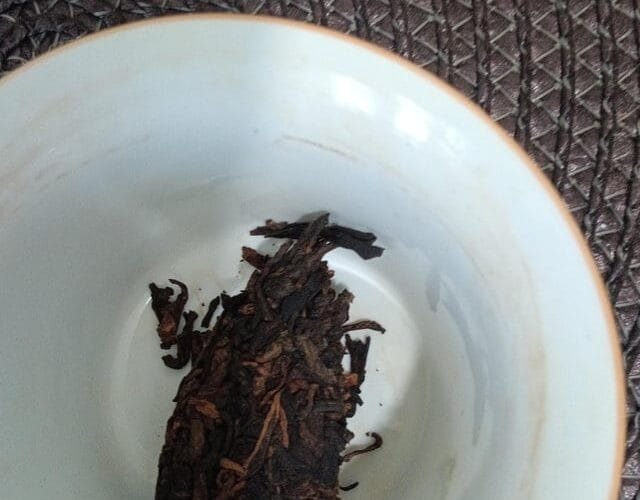
Get ready to sip on this: These YS Certified Organic Ripe Pu-erh Mini Bricks are the epitome of no-fuss tea drinking. Compact, clean, and designed for quick preparation, they’re a lifeline for anyone who needs a cup that doesn’t demand a ritual. The first steep delivers a surprisingly dark, creamy brew that sets high expectations—only to temper them with a surprisingly gentle first cup. Smooth, mild, and carrying a faint hay note in the aroma, it’s pleasant but lacks the depth that seasoned Pu-erh enthusiasts might crave. The tea offers about six infusions before the flavor fades, delivering a calm,…
Read More
The Hidden Flavor Divide in Coffee Grading

The Hidden Flavor Divide in Coffee Grading

Real talk: Coffee grading isn’t just about aesthetics. Screen size—a metric that separates beans into tiers—has become a proxy for quality, but its real-world impact on flavor remains murky. For growers and buyers, larger screens often mean higher prices, yet the connection between bean dimensions and cup performance feels increasingly abstract. Take Kenya, where size 20 beans (larger) and size 16 beans (smaller) are both meticulously sorted. If both are clean, defect-free, and roasted to match, what’s the actual difference? The answer lies in the interplay of density, moisture, and structural integrity. Larger beans, often heavier, absorb water more evenly…
Read More
Society Tea’s Blue Blueprint: How a Century-Old Brand Masters Tradition and Tech

Society Tea’s Blue Blueprint: How a Century-Old Brand Masters Tradition and Tech

There’s something brewing in Mumbai’s Chai Gali that’s been simmering for nearly a century. Society Tea, a brand born in 1933 by Hiravan Pranjivandas, has turned a simple promise—“tea as it should be”—into a formula that’s outlasted trends, rival brands, and even the rise of coffee. Now, under the guidance of third-generation leader Dhaval Shah, the brand is redefining itself without losing its soul. With a 28% market share in Maharashtra and a growing presence in a digital-first India, Society Tea’s playbook is less about flashy slogans and more about quiet mastery. At its core, Society Tea thrives on consistency.…
Read More
Matcha’s Health Perks Outshine Regular Tea, Experts Say

Matcha’s Health Perks Outshine Regular Tea, Experts Say

Get ready to sip on this: Matcha isn’t just a trendy latte ingredient—it’s a powerhouse of benefits that outperform regular green tea. Registered dietitians say the powdered form of Camellia sinensis delivers a concentrated dose of antioxidants, heart-boosting compounds, and metabolism-aiding properties. Unlike loose-leaf tea, matcha’s powder form means you’re consuming every nutrient from the entire leaf, making it a nutrient-dense contender for health enthusiasts. The science is clear: Matcha’s star antioxidant, EGCG, fights free radicals linked to chronic disease and aging. Studies suggest it may lower “bad” LDL cholesterol while raising “good” HDL levels, reducing heart disease risk. Chlorophyll,…
Read More
Beyond the Puer: Exploring Global Fermented Teas

Beyond the Puer: Exploring Global Fermented Teas

If you’ve ever sipped a pu'er or heicha, you’ve tasted the magic of fermented tea. But what if you’re craving something outside China’s fermented tea canon? The answer lies in Japan’s kuzuyu, Korea’s jeotgal, and even India’s rare, wild-fermented blends. These teas aren’t just variations of the same formula—they’re distinct ecosystems of flavor, shaped by climate, culture, and centuries-old techniques. Japanese fermented teas, like kuzuyu (a sweet, umami-rich brew made from fermented rice and tea leaves), offer a stark contrast to the earthy, woody profiles of puers. While puers rely on microbial fermentation over decades, kuzuyu is crafted through a…
Read More
A Rubyland Poet Puerh Review: Autumn 2023’s Flavorful Escape

A Rubyland Poet Puerh Review: Autumn 2023’s Flavorful Escape

If you're chasing the elusive balance between fruit-forward charm and earthy depth, the 2023 Autumn Mengku Sheng Puerh from Rubyland Poet delivers a rare harmony. This tea marries the brightness of dried apricots with the grounded richness of old-tree terroir, creating a profile that feels both inviting and refined. The first steep reveals a floral perfume that lingers like a whispered secret, while the body carries a dense, almost creamy texture that coats the palate without overwhelming. Its minerality is forward, sharp enough to cut through the sweetness but not so assertive as to disrupt the delicate equilibrium. What sets…
Read More
The Smoky Mystery of Upton’s 2016 Sheng Pu’erh

The Smoky Mystery of Upton’s 2016 Sheng Pu’erh

If you’ve ever wondered why pu’erh tea smells like a campfire, you’re not alone. A recent attempt to dive into Chinese tea traditions led to a perplexing discovery: a 2016 Sheng pu’erh from Upton Tea that smelled more like a charcoal grill than a tea cake. The aroma was unmistakably smoky, almost as if the leaves had been stored in a firepit. For someone new to the world of pu’erh, this was a confusing experience—especially since Sheng pu’erh is meant to be earthy, not acrid. Sheng pu’erh, or "raw" pu’erh, is known for its vibrant, floral notes and a subtle…
Read More