Blog

Carménère’s Quiet Revolution: Why Chile’s Forgotten Grape is Stealing the Spotlight

Carménère’s Quiet Revolution: Why Chile’s Forgotten Grape is Stealing the Spotlight

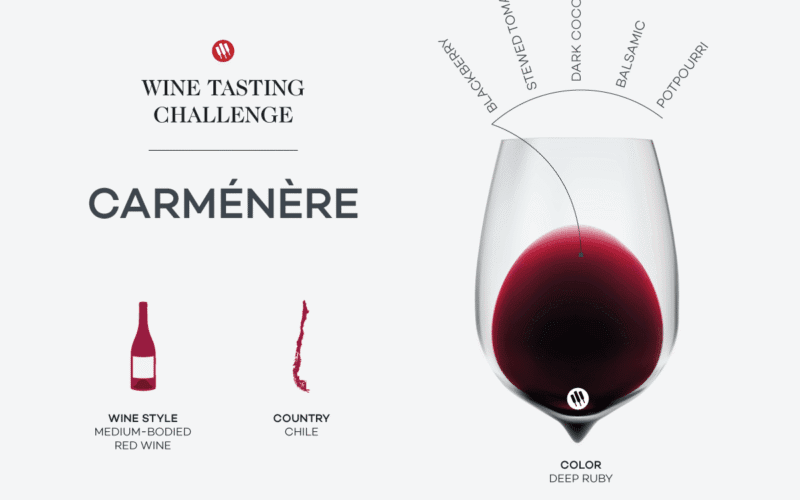
This is worth savoring: Carménère isn’t your average red. It’s the wine that makes you question your palate—and maybe your life choices. Often dismissed as a vegetal oddity, this Chilean grape is a paradox: simultaneously bold and delicate, brash and refined. Yet its reputation is a mirage. A well-made bottle reveals layers of complexity that defy its controversial image. Carménère’s story is one of misidentification and resurrection. For decades, Chilean vintners mistook it for Merlot, until 1996 exposed the truth: half of Chile’s Merlot vines were actually Carménère. The grape’s survival is a testament to its resilience, but its character…
Read More
Chenin Blanc: The Grape That Turned South Africa’s Coast Into a Wine Lover’s Dream

Chenin Blanc: The Grape That Turned South Africa’s Coast Into a Wine Lover’s Dream

Pour yourself a cup for this one: Imagine a wine that smells like a summer orchard, tastes like a creamy dream, and somehow still feels like a grown-up sip. That’s Chenin Blanc, the grape that’s quietly rewriting the map of global wine. From the sun-scorched vineyards of South Africa to the chalky soils of the Loire, this variety is a chameleon—sweet, dry, bubbly, or bold. The Tasting Challenge? A weekly ritual to sharpen your palate with 34 wines from 12 countries. And let’s be honest, South Africa’s Chenin Blanc is the star of the show. Before the U.S. was a…
Read More
The Oak-Infused Heart of Rioja: Why Tempranillo Rules

The Oak-Infused Heart of Rioja: Why Tempranillo Rules

The verdict is in: Oak aging isn’t the villain—it’s the secret weapon in Spain’s Tempranillo revolution. For years, critics have mocked over-oaked wines as syrupy and heavy, but the truth is, oak can elevate a grape to greatness. Spain’s Rioja region proves it, turning Tempranillo into a dark red titan with depth, complexity, and a price tag that won’t break the bank. This week’s Tasting Challenge? A Rioja Reserva that’s everything you want in a bold red—and nothing you don’t. Rioja’s magic lies in its obsession with oak. The region’s classification system hinges on aging: longer time in barrels means…
Read More
The Mold That Makes Magic: Sauternes’ Secret

The Mold That Makes Magic: Sauternes’ Secret

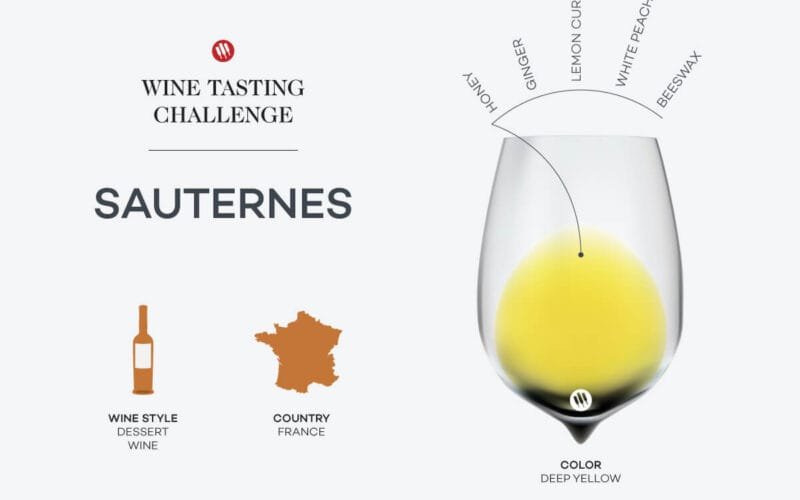
Coffee lovers, wine enthusiasts, tea devotees—here’s a revelation: the sweet, golden nectar of Sauternes isn’t just a dessert wine. It’s a miracle born from a moldy grape. Botrytis cinerea, the so-called noble rot, transforms Sauternes from a pile of shriveled, seemingly ruined fruit into a concentrated, honey-drenched masterpiece. This week’s Tasting Challenge peels back the layers of this French marvel, revealing how a fungus turns humble grapes into liquid gold. Sauternes, a sub-region of Bordeaux, exists in stark contrast to the red blends we’ve tasted before. It’s a dessert wine, dense and decadent, meant to be savored slowly. The process…
Read More
Austrian Grüner Veltliner: The White Wine That Defies Expectations

Austrian Grüner Veltliner: The White Wine That Defies Expectations

Forget the clichés of German wines. Austria’s Grüner Veltliner is a revelation—part citrus, part flint, all complexity. This grape doesn’t just grow in Austria; it is Austria. While other varietals migrate across continents, Grüner stays rooted in its homeland, crafting a white wine that’s as bold as it is nuanced. This week’s Tasting Challenge zeroes in on why Grüner Veltliner is a global standout, and how its terroir shapes its unmistakable character. Austrian Grüner is a study in contrasts. Light yet vibrant, it balances high acidity with a mineral-driven backbone. Think of it as a citrus zinger with a flinty…
Read More
Primitivo vs. Zin: The Grape That Changed Its Name

Primitivo vs. Zin: The Grape That Changed Its Name

Consider this your morning briefing: Italian Primitivo and California Zinfandel are two faces of the same grape—yet their identities have diverged wildly. The same Tribidrag that once thrived in Croatia now lives as Primitivo in Puglia and Zinfandel in the U.S. What does that mean for your glass? The answer lies in terroir, climate, and the art of naming. Primitivo’s reputation as a bold, dark-fruited red is well-earned. From Puglia’s Salento subregion, this wine delivers ripe blackberry, brown sugar, and baking spices wrapped in velvety tannins. Coastal winds here temper the heat, slowing grape ripening and dialing back alcohol levels—a…
Read More
Champagne Decoded: Sweetness, Grapes, and the Art of Sabering

Champagne Decoded: Sweetness, Grapes, and the Art of Sabering

If you’ve ever wondered why your Champagne tastes like a citrusy pastry or why some bottles cost a fortune, you’re not alone. Champagne’s reputation as a luxury drink is matched only by its complexity—and confusion. From sweetness levels to grape blends, this sparkling wine is a puzzle worth solving. Let’s cut through the fluff and get to the real story. Champagne’s sweetness isn’t just about sugar; it’s a precise scale. Brut means bone-dry, while Demi-Sec leans sweet, but the numbers matter. A Brut Nature has less than 6 grams of sugar per liter, while Doux can hit 120+ grams. The…
Read More
California’s Roussanne Revolution

California’s Roussanne Revolution

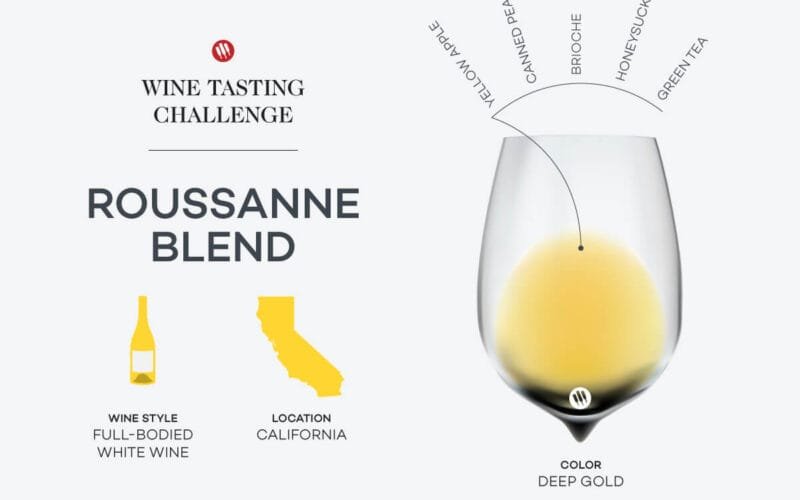
If you’ve ever wondered how a grape can reinvent itself across continents, look no further than Roussanne. This white varietal, once overshadowed by its French counterparts, is now rewriting the script in California’s sun-drenched valleys. The verdict? A bold, terroir-driven shift that’s turning skeptics into fans. Roussanne has always been a wildcard. In France, it’s a blending grape—often tucked into Rhône blends with Marsanne or Viognier—its presence subtle, its challenges steep. Fungus and mold thrive where it grows, making it a reluctant star. But in California’s Central Coast, where warmth and oak aging meet, it’s breaking free. The Ballard Canyon…
Read More
Austrian Orange Wine: A Taste of Ancient Craft

Austrian Orange Wine: A Taste of Ancient Craft

Get ready to sip on this: orange wine isn’t a gimmick—it’s a centuries-old tradition reborn. When you crack open a bottle of Austrian orange wine, you’re not just tasting fruit; you’re holding a piece of Georgia’s 6000-year-old winemaking legacy. This isn’t your average white wine. It’s fermented with white grapes left in contact with their skins, a process that imbues it with amber hues, tannic grip, and a flavor profile that defies categorization. Think of it as a bridge between red and white, where citrus brightness meets earthy complexity. The secret? Qvevri—those ancient clay vessels buried underground in Georgia, where…
Read More
Tavel Rosé: The Bold Pink That Defies Expectations

Tavel Rosé: The Bold Pink That Defies Expectations

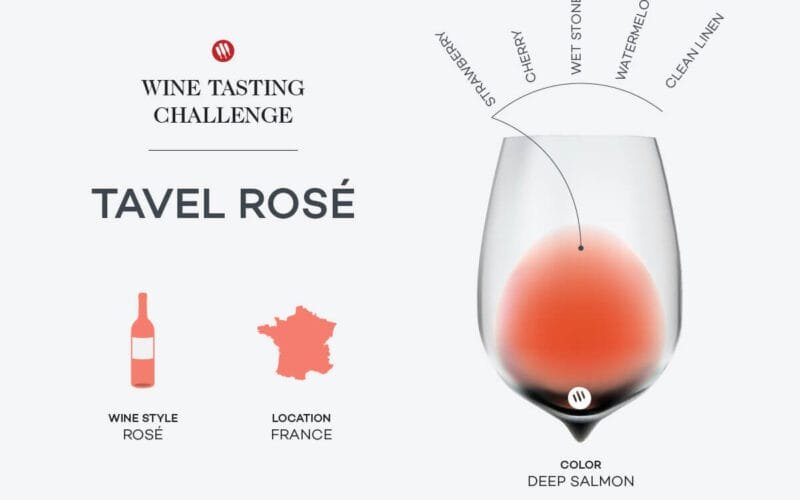
Here’s something to stir your curiosity: Tavel rosé isn’t your average pink wine. It’s a bold, almost rebellious blend that refuses to be underestimated. While most rosés lean into sweetness and lightness, Tavel thrives on intensity, with a flavor profile that’s equal parts summer fruit and savory intrigue. This isn’t the kind of wine you sip while scrolling through Instagram—it’s the kind that demands attention, thanks to its deep salmon hue and punchy, almost fiery character. Tavel’s roots lie in France’s Rhône Valley, a region better known for its robust reds like Châteauneuf-du-Pape. Unlike Provence’s more delicate rosés, Tavel is…
Read More