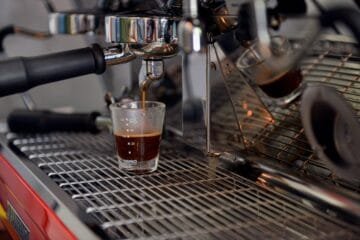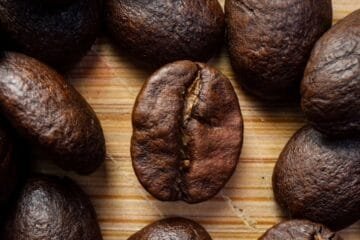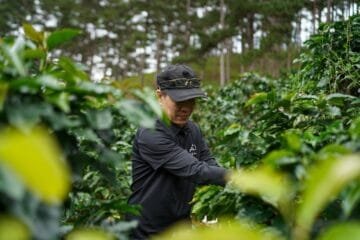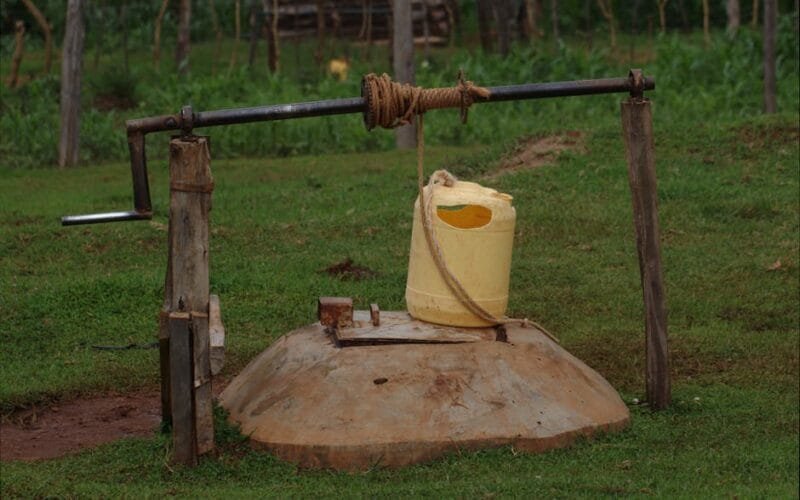
Here’s something to stir your curiosity: A Kenyan coffee estate is redefining how the world tastes its beans. Fairview Coffee Estate, nestled in the misty Central Highlands, isn’t just a farm—it’s a living archive of Kenya’s coffee history, where SL28 Arabica beans are cultivated with the precision of a master artisan. For over a century, this 117-year-old estate has been a cornerstone of Kenyan coffee, now guided by Michael Warui, a leader whose career spans continents and industries. His journey from corporate consultant to coffee estate director is a testament to the power of passion and purpose.
Fairview’s story is etched into the soil. At 1,750 meters above sea level, the estate’s coffee bushes thrive under the shadow of a cascading waterfall and a man-made dam, their roots fed by the Riara River. Visitors aren’t just tourists—they’re invited to walk through the coffee cycle, from cherry picking to roasting, and sip the result as it’s freshly brewed. Michael explains, “This isn’t just about coffee. It’s about connection.” The tours blend education with immersion, offering a rare chance to witness how Kenyan coffee is transformed into the aromatic brews we savor.
What sets Fairview apart is its role in a broader movement. Michael envisions Kiambu County as Africa’s Stellenbosch, a hub for coffee tourism and sustainable farming. “We don’t compete—we collaborate,” he says. His vision extends beyond beans: He wants Kenya’s coffee share in global trade to rise from 3% to 20%, driven by value addition and eco-conscious practices. The estate’s success is a blueprint for others, proving that coffee can be both a cultural anchor and an economic engine.
Key points: Fairview Estate blends tradition with innovation, offering a rare glimpse into Kenya’s coffee heritage. The SL28 Arabica variety, cultivated for over a century, is a symbol of resilience and quality. Michael Warui’s leadership underscores the potential of coffee to drive sustainable growth and cultural exchange.
How might these estates reshape global perceptions of Kenyan coffee—and the communities that grow it.
What if the future of coffee tourism in Africa hinges on stories like Fairview’s? How might these estates reshape global perceptions of Kenyan coffee—and the communities that grow it?
Questions & Answers
What makes Kenyan coffee unique?
Kenyan coffee is known for its bright acidity, wine-like aroma, and complex flavor notes. Grown in high altitudes, it offers a clean, vibrant cup with hints of berries and citrus.
How does Michael Warui source his coffee?
Michael Warui sources coffee directly from small-scale farmers, ensuring fair prices and quality. He works closely with growers to maintain ethical practices and traceable origins.
Information sourced from industry reports and news outlets.