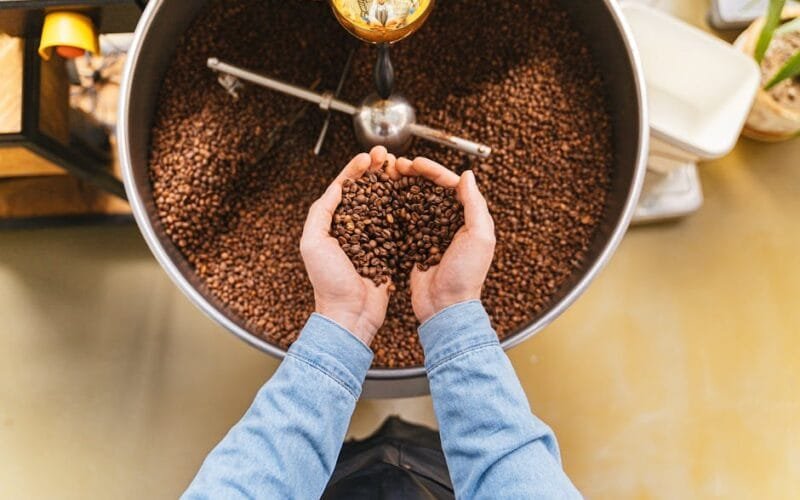
Coffee lovers, wine enthusiasts, tea devotees—here’s a raw, unfiltered look at a home roaster’s third batch. This isn’t a polished tutorial or a curated highlight reel. It’s a confession: the person behind this roast is still figuring things out. They’re a full-time student, a former higher education worker who got laid off, and now a budget-conscious hobbyist chasing the thrill of coffee. With a cheap roaster and a passion for beans, they’ve stumbled into the world of home roasting, learning by trial, error, and a dash of desperation.
The problem? Their drying period is way too long. What should be a quick, vibrant roast feels like a slow bake. The beans are losing their brightness, their flavors muted, their character flattened. They’ve tried adjusting the heat—cranking the temp from 180°C to 200°C, then pushing it to 220°C around the 7-minute mark. The goal? A faster dry, a more dynamic roast. But the results? Condensation on the lid lingers for 15 minutes, and the first crack doesn’t arrive until the 18-minute mark. It’s a delay that feels like a betrayal of the beans’ potential.
The beans themselves might be part of the puzzle. Could the variety or freshness differ from their prior batches? Maybe. But the takeaway is clear: temperature control is everything. A roast that’s too hot becomes a bake, stripping the beans of their nuance. A roast that’s too slow lets bitterness creep in. The balance is razor-thin, and for someone still learning, it’s a constant negotiation between speed and flavor.
Key points: Adjusting the initial temp can shorten the drying phase, but timing is critical. First crack delays might signal a mix of bean quality and heat management. The line between roasting and baking is thinner than you think.
Share your story in the comments—we’re all in this together.
So here’s the question: What’s your biggest roast-time hurdle? Share your story in the comments—we’re all in this together.
Questions & Answers
How do I respond to a roast?
Acknowledge the roast with humor, deflect with confidence, or turn it into a lighthearted moment. Keep it friendly and don’t take it personally.
What if I don’t like being roasted?
Politely decline the roast, set boundaries, or redirect the conversation. It’s okay to not enjoy humor aimed at you.
Information sourced from industry reports and news outlets.