⏱ 2 min read
The Short Version
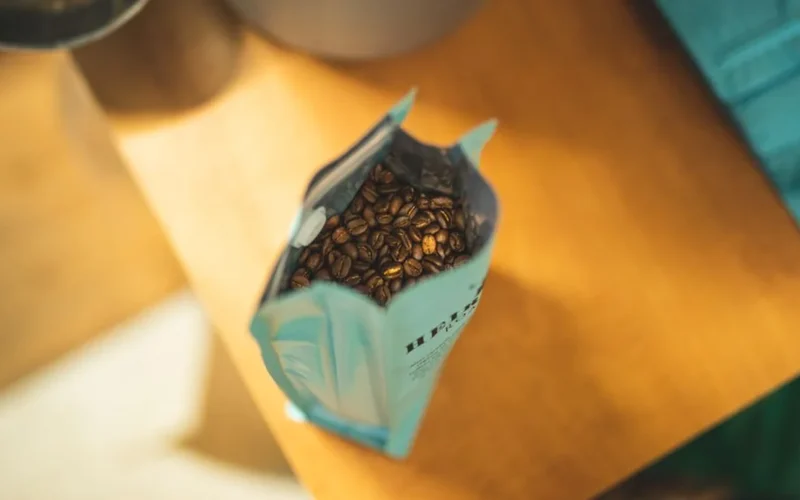
Stop overcomplicating your storage; those one-way valve bags are often more effective than expensive canisters because trapped CO₂ creates a natural oxygen shield. For maximum freshness, skip the fancy hardware and just focus on avoiding pre-grinding and extreme temperature swings.
In This Article
Real talk: the internet has turned coffee storage into an exhausting science project. With specialty bean prices climbing, the urge to protect your investment through vacuum seals and complex canisters is understandable. However, much of the anxiety surrounding staling is unnecessary if you understand how beans actually behave.
As long as the coffee is consistently off-gassing CO₂, oxygen will struggle to be absorbed.
The power of carbon dioxide
The most effective preservative isn’t something you buy; it’s already inside the bean. During roasting, carbon dioxide becomes trapped within the cellular walls, creating a natural defense mechanism known as off-gassing. This process creates positive pressure that makes it difficult for oxygen to enter the bean and cause rancidity. As long as the coffee is consistently off-gassing CO₂, oxygen will struggle to be absorbed. Because of this internal chemistry, storing your whole beans in their original one-way valve bag is often more than sufficient for daily drinkers. Most people finish a standard bag within two weeks, which is precisely the window before those volatile aromatic compounds begin to dissipate significantly.
Managing long-term storage
If you aren’t a rapid consumer, your strategy should shift toward temperature and moisture control rather than just air displacement. While high-end airtight canisters offer subtle improvements, they rarely outperform a well-sealed bag for short-term use. For true longevity, the freezer is your best ally for unopened bags. James Hoffmann suggests taping over the one-way valve before freezing to prevent air infiltration, but remember that once you thaw a bag, you shouldn’t pop it back into the cold. Repeated temperature swings introduce moisture, which is the enemy of freshness.
Regardless of how much you spend on storage hardware, avoid the single biggest mistake: grinding ahead of time. Once you break the bean, you lose both the protective CO₂ and the complex aromas almost immediately. Stick to grinding only what you need for each brew, keep your beans in a cool, dark place, and trust the process. If you’re finishing a bag in fourteen days or less, you are likely already doing enough to maintain a vibrant cup.
Do you swear by a specific vacuum canister, or are the original bags working just fine for you?
Questions & Answers
How does carbon dioxide help preserve coffee freshness?
Carbon dioxide acts as a natural preservative by creating positive pressure within the bean's cellular walls. During the roasting process, CO2 becomes trapped inside, which triggers an off-gassing process that makes it difficult for oxygen to enter and cause rancidity. This internal chemistry provides a defense mechanism that protects the coffee from oxidation. As long as the beans are consistently releasing this gas, they remain better protected against the staling effects of outside air.
What is the best way to store specialty coffee for a long time?
The freezer is the most effective tool for long-term storage of unopened bags of coffee. To maximize longevity, you should tape over the one-way valve before placing the bag in the freezer to prevent any air from infiltrating the package. However, it is crucial to avoid repeated temperature swings by never putting a thawed bag back into the cold. Such fluctuations introduce moisture, which is a primary enemy of freshness and can quickly ruin the beans.
Why should you avoid grinding coffee beans in advance?
Grinding coffee ahead of time causes the immediate loss of protective carbon dioxide and complex aromatic compounds. Once the physical structure of the bean is broken, the internal chemistry that prevents oxidation is destroyed, leading to rapid staling. To maintain a vibrant flavor profile, you should only grind the specific amount of coffee needed for each individual brew. Keeping the beans whole preserves the volatile aromas that make specialty coffee desirable.
When does specialty coffee typically begin to lose its flavor?
Specialty coffee beans typically begin to lose their most significant volatile aromatic compounds within about two weeks of roasting. Most daily drinkers find that they finish a standard bag of coffee within this fourteen-day window, which is the optimal period for freshness. If you consume your beans within this timeframe, the internal CO2 and natural oils are likely still intact. Beyond this point, the flavors begin to dissipate more rapidly regardless of storage methods.
Originally reported by Serious Eats.