⏱ 1 min read
The Short Version
A rare Champagne, aged 11 years, blends seven Grand Cru villages into a complex, mature expression that elevates special moments with its balance and depth.
In This Article
Real talk: Engagement calls for more than a toast. It demands a drink that feels like a milestone — crisp, memorable, and steeped in history. For years, I’d dismissed Champagne as a luxury reserved for moments too grand for my budget. Niagara’s sparkling wines, with their approachable price points and bold character, had long been my go-to. But when the proposal arrived, I found myself in a curious dilemma: Could a bottle of Champagne truly elevate the occasion, or was it just a relic of excess?
Champagne’s reputation rests on more than mere marketing and brand recognition.
Terroir-Driven Rarity
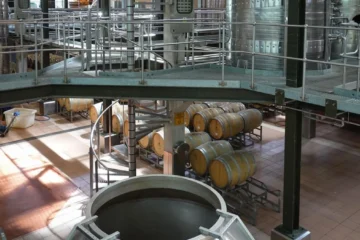
La Maison Stanislas Bonafé isn’t your average Champagne house. Founded by a former French equestrian with a knack for precision, it’s a boutique producer that treats each vineyard plot like a masterclass in restraint. The 07 Grand Cru Cuvée I tried — a blend of seven Grand Cru villages — isn’t just a blend. It’s a statement. Aged 11 years on its lees, the wine carries the weight of patience, its pale gold hue hinting at the slow unraveling of complexity. This is where the equestrian background shines: a philosophy of discipline and control, mirrored in the wine’s structure and balance.
The Taste of Time
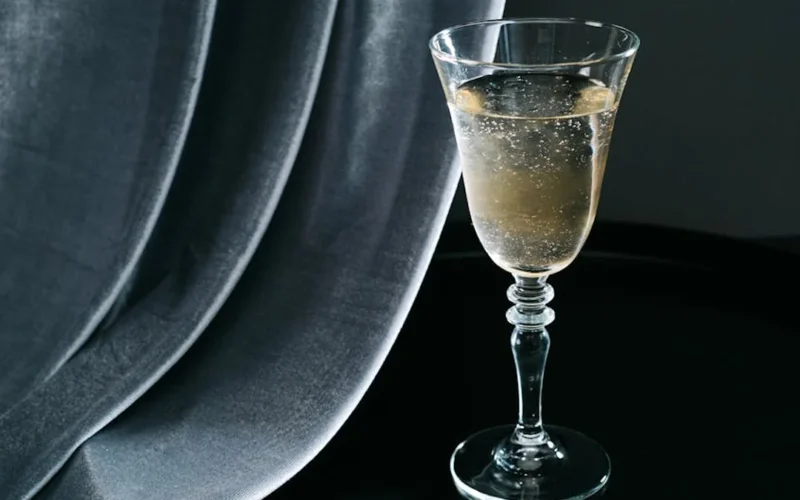
The first sip is a revelation. Aromas of buttered brioche and candied orange peel emerge, but beneath them lurks something more elusive: a maturity that feels earned, not forced. The palate is a symphony of lemon, peach, and toasted hazelnuts, balanced by a crisp acidity that keeps it from tipping into indulgence. It’s a wine that commands respect — without pretension. This is the kind of Champagne that makes you rethink the equation between price and quality. Champagne’s reputation rests on more than mere marketing and brand recognition. So here’s the question: When tradition meets intention, does the result justify the cost? Or is it simply the right choice for moments that demand more than a standard celebration?
Questions & Answers
How does Stanislas Bonafé Champagne differ from other Champagnes?
Stanislas Bonafé stands out through its terroir-driven approach and equestrian-inspired precision. Unlike mass-produced Champagnes, it treats each vineyard plot with restraint, blending seven Grand Cru villages. The 07 Grand Cru Cuvée, aged 11 years on its lees, reflects a philosophy of discipline and balance, offering complexity without pretension.
What makes the 07 Grand Cru Cuvée special?
The 07 Grand Cru Cuvée is a blend of seven Grand Cru villages, aged 11 years on its lees. Its pale gold hue and layered aromas of buttered brioche and candied orange peel reveal a matured complexity. The palate delivers lemon, peach, and toasted hazelnuts, balanced by crisp acidity, making it a refined and memorable choice.
Why is Stanislas Bonafé considered a rare Champagne?
Stanislas Bonafé is rare due to its boutique production and focus on terroir. Founded by a former French equestrian, it emphasizes precision and restraint in winemaking. The 07 Grand Cru Cuvée, crafted from seven Grand Cru villages, exemplifies this rarity, offering depth and balance that reflect both patience and expertise.
Does Stanislas Bonafé justify its price?
Stanislas Bonafé justifies its price through its complexity and craftsmanship. The 07 Grand Cru Cuvée, aged 11 years, delivers a symphony of flavors with lemon, peach, and toasted hazelnuts, balanced by crisp acidity. Its depth and maturity suggest that the cost is a reflection of the time and care invested in its creation.
Originally reported by Reddit Wine.