⏱ 1 min read
The Short Version
Provence rosé is evolving beyond its sun-soaked stereotype, with terroir-driven complexity and a shift toward gastronomy redefining its role in global wine culture.
Real talk: Provence is more than a sun-drenched stereotype. Beneath its iconic rosé lies a complex interplay of terroir, technique, and vision that’s quietly reshaping the category. The standard narrative—fresh, easy, and summery—oversimplifies a region where elevation, soil, and climate converge to produce a range of styles, from bright acidity to rich, layered complexity.
If Provence is the global benchmark for rosé, it is not simply because of style, but because of the depth that lies beneath it.
Terroir as the Foundation
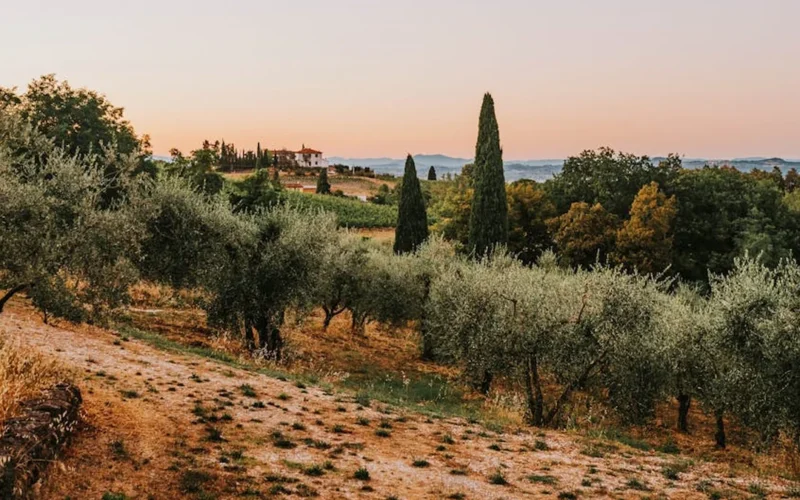
Provence’s diversity is deliberate. From clay-limestone hills at 400 meters to coastal sites shaped by the Mistral wind, each site imparts a distinct character. At Château Barbebelle, altitude and soil balance ripeness with freshness, delivering wines of “natural tension and depth.” Inland, Château de Berne uses forested surroundings and limestone to craft mineral-driven, acidic profiles, while coastal vineyards offer rounder, silkier textures. “Terroir isn’t just a backdrop,” says Alexis Cornu. “It’s the starting point.” Producers like Valérie Maquet at Château L’Escarelle highlight how diurnal shifts and elevated terroir preserve aromatic freshness, proving Provence rosé is as much about place as process.
The Shift to Gastronomy and Sustainability
Provence rosé is no longer just a summer sipper. Winemakers are repositioning it as a serious gastronomic wine, pairing with everything from Mediterranean dishes to structured fare. “To create a rosé for gastronomy, you must go through the whole process of a great winemaking process,” Cornu explains, comparing it to premium white wine. This shift is matched by a growing focus on sustainability: organic farming, biochar, and lighter glass bottles are now standard. “Climate change is the main challenge,” says Madeleine Herbeau, but the region’s history of innovation and collective commitment to quality ensures it’s adapting. If Provence is the global benchmark for rosé, it is not simply because of style, but because of the depth that lies beneath it. How does terroir influence your wine selections? Share your thoughts below.
Questions & Answers
How does terroir influence wine selection in Provence?
Terroir shapes Provence rosé by defining each vineyard’s unique character. Clay-limestone hills, coastal sites, and inland areas produce distinct styles—from bright acidity to rich complexity. Producers like Château Barbebelle balance ripeness and freshness, while Château de Berne focuses on mineral-driven profiles. This diversity underscores the region’s depth beyond the stereotype.
Why is Provence rosé evolving beyond its traditional image?
Provence rosé is evolving to meet modern tastes and uses. Winemakers now position it as a serious gastronomic wine, pairing with diverse dishes. This shift mirrors premium white wine techniques, emphasizing quality and versatility. Sustainability efforts, like organic farming and lighter bottles, also reflect this broader, more intentional approach.
What role does sustainability play in Provence rosé production?
Sustainability is central to Provence rosé’s future. Organic farming, biochar use, and eco-friendly packaging are now standard. Climate change poses challenges, but the region’s history of innovation ensures adaptation. These practices highlight a commitment to quality and environmental responsibility, reshaping the category’s identity.
Can Provence rosé be considered a global benchmark?
Yes, Provence rosé is a global benchmark due to its depth and diversity. While it’s known for freshness, it also offers layered complexity from varied terroirs. Producers like Valérie Maquet emphasize how elevation and climate preserve aromatic qualities. This balance of style and substance solidifies its status as a benchmark in the rosé world.
Originally reported by The Drinks Business.