

⏱ 1 min read
The Short Version
A brick of Shou Pu Er arrives with a scent of doubt, revealing a crisis of authenticity in China’s tea market where buyers gamble on narratives over provenance. Consumers demand accountability as the taste of uncertainty exposes the gap between expectation and reality.
In This Article
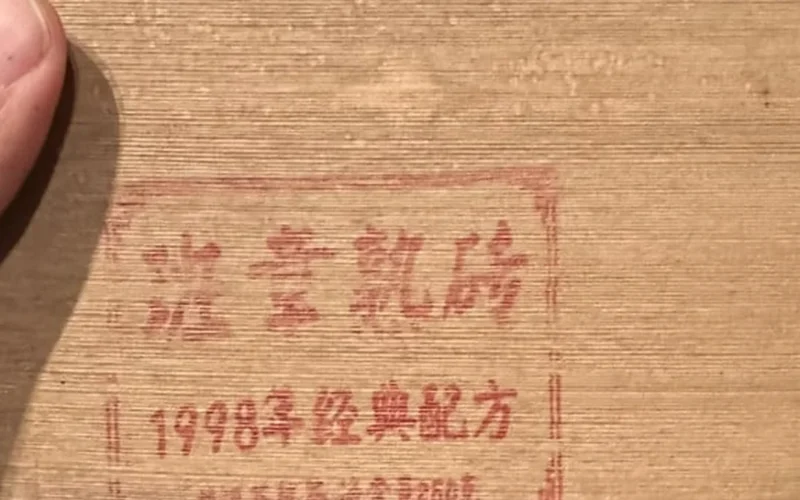
There’s a quiet crisis unfolding in China’s tea markets, one that’s more about perception than flavor. When you buy a brick of Shou Pu Er online, you’re not just purchasing a product—you’re investing in a narrative. This one, sealed in a generic package, arrived with the faint scent of doubt. The user’s experience isn’t an outlier: thousands of tea buyers face the same gamble between authenticity and deception.
The most telling detail? A good Shou Pu Er doesn’t need to be perfect—it just needs to be honest.
The Ghost of Taobao
Online tea markets thrive on convenience, but convenience breeds risk. A brick labeled “Shou Pu Er” could be aged for decades or aged for minutes. The user’s frustration mirrors a broader crisis: how do you verify a product when the packaging is the only clue? Shou Pu Er’s value lies in its history, its earthy depth, its ability to evolve with time. But without provenance, even the best tea becomes a gamble. The user’s decision to seek a trusted batch elsewhere highlights a growing trend: consumers are demanding accountability.
The Taste of Uncertainty
Brewing this brick revealed a different kind of story. Gongfu style, with its precise rinses and short infusions, exposed its flaws: bitterness that clings like static, a powdery texture that feels more like dust than tea, and a foresty note that smells like decay rather than aged earth. The user’s disappointment isn’t just about flavor—it’s about the gap between expectation and reality. A good Shou Pu Er should offer depth, not drama. This brick, like so many others, failed to deliver.
The most telling detail? A good Shou Pu Er doesn’t need to be perfect—it just needs to be honest. So here’s the question: When the tea doesn’t taste like the story it’s supposed to tell, who’s left to blame? The seller, the buyer, or the market that lets anyone sell anything? The answer may lie in third-party verification services, which are increasingly being used to authenticate products and restore faith in the market.
Questions & Answers
How can buyers verify the authenticity of Shou Pu Er tea online?
Buyers can verify Shou Pu Er tea by seeking trusted sources and using third-party verification services. The article highlights the risks of online markets where packaging is the only clue, and the growing trend of consumers demanding accountability through authentication.
Why is provenance important in Shou Pu Er tea?
Provenance is crucial because Shou Pu Er’s value lies in its history and aging process. Without proper documentation, even high-quality tea becomes a gamble. The article emphasizes the gap between expectation and reality when authenticity is uncertain.
What are the signs of a low-quality Shou Pu Er tea?
Low-quality Shou Pu Er often has a bitter taste, a powdery texture, and a foresty note that smells like decay. The article describes how brewing a suspect brick revealed these flaws, highlighting the disappointment when the tea fails to deliver on its promised depth.
What role do third-party verification services play in the tea market?
Third-party verification services help authenticate products and restore trust in the tea market. The article suggests they are increasingly used to address the crisis of deception, offering a solution to the problem of verifying authenticity in online tea sales.
Originally reported by Reddit Puer Tea.


[…] at specific rates, and prolonged steeping overwhelms the palate with tannins and caffeine. Qing Gan Puer, with its high concentration of polyphenols, is particularly unforgiving when oversteeped. What […]