⏱ 1 min read
The Short Version
A rare Guizhou Matcha and Yunnan white teas arrived fresh from hidden sources, offering a green tea revolution with deep, earthy flavors and a story steeped in tradition.
In This Article
There’s a quiet revolution unfolding in Guizhou’s misty hills this year—specifically, in the form of a rare Matcha harvest and Yunnan’s aged white teas. The leaves arrived fresh, plucked before Qingming, when the dew still clings to the hills. This tea isn’t just steeped—it’s experienced, requiring patience to unlock its depth.
The best teas are not found in bustling markets but in the quiet hands of local growers.
The Tea Trail from Guizhou to Shanghai
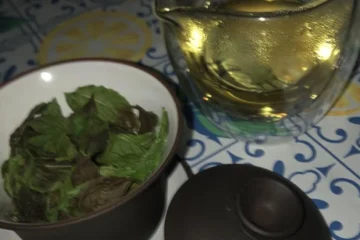
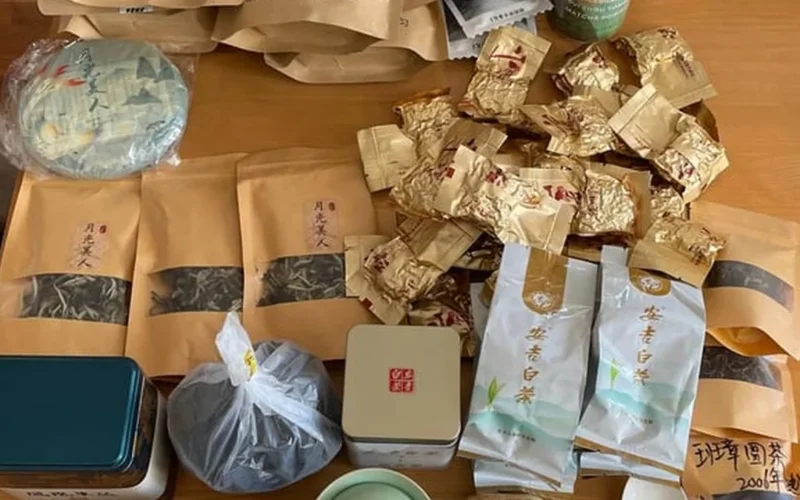
Guizhou’s Matcha feels like an unexpected triumph, a regional twist on a Japanese tradition. The powder promises a green tea revolution, though my palate, accustomed to Japanese Matcha, is still finding its footing. Yunnan’s teas, meanwhile, arrived with a story. My wife’s mother, a connoisseur of white and red varieties, curated a mix of fresh and aged leaves. The contrast between their floral sweetness and the earthy depth of Pu’er was a revelation, reflecting centuries of tea-making heritage in Yunnan’s high-altitude terrains. In Shanghai, a vendor’s curated selection of Tie Guan Yin and Dan Cong filled gaps left by missed market visits. Even the Anji Bai Cha, a gift from a Hangzhou benefactor, carried the weight of a curated invitation.
Teaware as a Statement
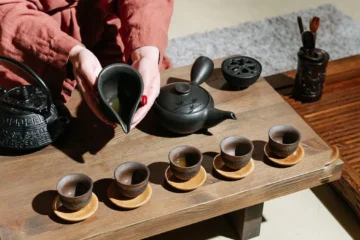
The Gaiwan with two cups and Cha Zi, bought in Guiyang, is simple in form but rich in meaning. The black unglazed can and lid holder, a gift from a tea-obsessed friend, feel like a silent conversation between maker and user. The Gong Dao Bei I bought in Chongqing—expensive, yes—but its elegance is a reminder that teaware isn’t just functional. It’s a language. The best teas are not found in bustling markets but in the quiet hands of local growers. What’s your favorite tea discovery from a place you’d never expect to find it?
Questions & Answers
How is Guizhou Matcha different from traditional Japanese Matcha?
Guizhou Matcha offers a regional twist on Japanese Matcha, with a unique flavor profile shaped by its local growing conditions. The powder promises a green tea revolution, though it still requires time to unlock its depth, unlike the more familiar Japanese version.
What makes Yunnan’s aged white teas special?
Yunnan’s aged white teas bring a contrast of floral sweetness and earthy depth, reflecting centuries of tea-making heritage. The mix of fresh and aged leaves, curated by a tea connoisseur, highlights the region’s high-altitude terrains and rich tradition.
Why is teaware considered a language in the tea experience?
Teaware, like the Gaiwan and Gong Dao Bei, is seen as a silent conversation between maker and user. These tools are not just functional but carry cultural meaning, enhancing the tea experience through their design and craftsmanship.
Where can one find unique tea discoveries outside of bustling markets?
Unique tea discoveries often come from local growers and quiet hands, not just bustling markets. The article suggests that the best teas are found through personal connections and curated selections, like the Matcha from Guizhou and aged white teas from Yunnan.
Originally reported by Reddit Tea.