⏱ 1 min read
The Short Version
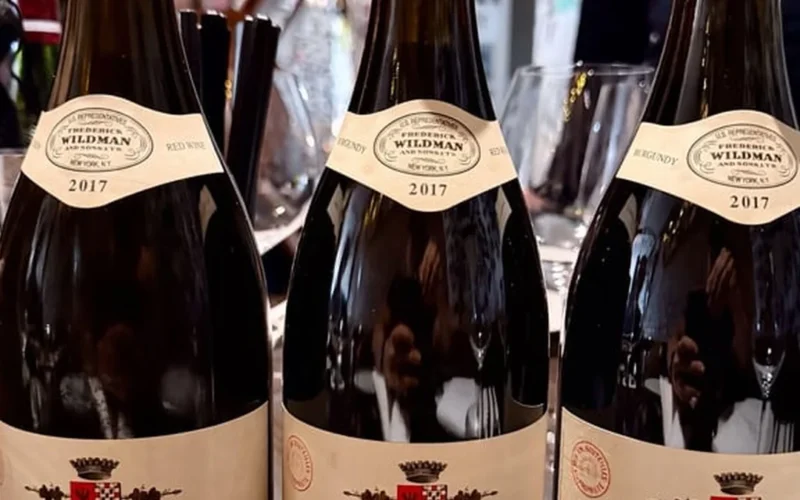
A 2017 Rousseau trio shows how patience unlocks their true character, with Clos de la Roche and Charmes-Chambertin revealing depth and complexity over time. Some wines, like these, only fully express themselves when given the chance to evolve.
The 2017 Rousseau trio revealed itself in layers, each bottle offering a distinct narrative that unfolded with time. Cazetiers opened wide after 45 minutes, its sappy red fruits and earthy notes blooming like a first blush of spring. But the true stars were the ones that demanded patience—wines that grew richer, more precise, as hours passed.
This was tremendous; I might wait a couple years on future bottles.
Clos de la Roche: The Uncompromising Core
This was the standout, a wine that refused to be rushed. Darker fruited than Cazetiers, it carried a punch that lingered on the palate, supple red and dark currants dancing with a structure that felt both bold and restrained. Its finish—longer and deeper than its siblings—hinted at a future where time would refine its edges into something almost savory. Clos de la Roche isn’t just a wine; it’s a statement of intent.
Charmes-Chambertin: The Quiet Resilience
The most reticient of the trio, Charmes-Chamb, began reserved but gained complexity over two hours. More red fruited than Clos de la Roche, it carried a depth that suggested it could age gracefully, its finish stretching with an extra gear. While not as lifted as its counterparts, it hinted at a future where patience would unlock layers of nuance. This was tremendous; I might wait a couple years on future bottles. The lesson here isn’t just about wine—it’s about how some things only reveal their full character when you let them breathe. Patience isn’t just a virtue in aging wine; it’s a lens through which we can view life itself. The same restraint that allows these wines to evolve also teaches us to embrace the slow, deliberate work of growth, understanding, and fulfillment. What’s your take on patience in aging wine?
Questions & Answers
How does patience affect the aging of Rousseau trio wines?
Patience allows the Rousseau trio wines to evolve, revealing deeper complexity over time. Clos de la Roche, for example, becomes richer and more precise with hours, while Charmes-Chambertin gains nuance and depth. The article suggests that some wines, like Clos de la Roche, require time to refine their structure into something almost savory.
What makes Clos de la Roche stand out in the Rousseau trio?
Clos de la Roche stands out for its bold, structured character and long, deep finish. It offers darker, more intense fruit notes with a savory undertone that develops over time. The wine’s refusal to be rushed highlights its uncompromising core, making it a statement of intent in the Rousseau trio.
Why is patience considered a virtue in aging wine?
Patience is considered a virtue in aging wine because it allows the wine to fully express its potential. The Rousseau trio demonstrates this, as wines like Clos de la Roche and Charmes-Chambertin gain layers of complexity and nuance over time. This mirrors how life requires time to reveal its full character.
How does Charmes-Chambertin evolve with time?
Charmes-Chambertin begins reserved but gains complexity over two hours, with more red fruit notes and a depth that suggests graceful aging. Its finish stretches with an extra gear, hinting at a future where patience unlocks layers of nuance, making it a rewarding wine to age.
Originally reported by Reddit Wine.