⏱ 1 min read
The Short Version
Blonde roast coffee is redefining specialty culture by prioritizing brightness and customization, turning light roasts into a versatile canvas for creative pairings and precise flavor profiles.
Light roast coffee isn’t just a trend—it’s a redefinition of flavor. As third-wave coffee culture evolves, consumers are trading bitterness for brightness, seeking profiles that feel intentional, not accidental. The move toward lighter roasts isn’t about compromise; it’s about precision. Drinkers want to customize their coffee, pairing it with creamers, syrups, and desserts in ways that enhance, rather than mask, the bean’s natural character.
Light roast coffee isn’t just a trend—it’s a redefinition of flavor.
The Rise of the Custom Coffee Ritual
Blonde roasts, with their delicate acidity and floral notes, are the perfect canvas for experimentation. From Banana Bread Lattes to Cloud Coffees, cafes are leaning into lighter profiles to let the bean speak louder. “The shift to blonde roast reflects the consumer’s desire to completely customize their coffee,” says Suzanne Saltzman Ginestro of Califia Farms. Her Pure Black Blonde Roast Cold Brew, now a social media staple, exemplifies this trend—its versatility makes it a blank slate for creativity, whether paired with Sweet Creme or brewed as a multi-serve base for home baristas.
Machines Are Making Light Roasts Possible
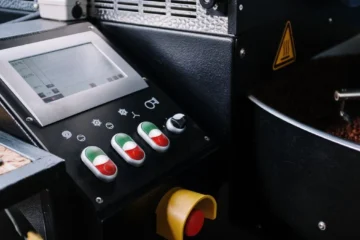
Third-wave roasters and brands like Loring and IMF have pioneered machines that roast more gently, faster, preserving acidity and nuance. This precision allows roasters to dial in profiles that feel purposeful, not accidental. While Starbucks leans into darker, bolder roasts, smaller players are redefining what coffee can be—a culinary ingredient, not just a caffeine source. “Coffee has gone from a commodity to a product spoken about like wine,” says Path Coffee Roasters’ CEO. The result? A category where light roasts dominate, not just in cafes but in kitchens, where cold brews are now a year-round ritual.
Light roast coffee isn’t just a trend—it’s a redefinition of flavor.
What’s your favorite way to savor a light roast?
Questions & Answers
How is blonde roast coffee changing the specialty coffee scene?
Blonde roast coffee is redefining specialty culture by emphasizing brightness and floral notes over bitterness. It allows for greater customization, pairing well with creamers, syrups, and desserts. This shift reflects a consumer demand for intentional, nuanced flavors that highlight the bean’s natural character.
What role do machines play in the rise of light roasts?
Advanced roasting machines enable precise, gentle roasting that preserves acidity and nuance. Brands like Loring and IMF have developed tools that allow roasters to create purposeful profiles, shifting coffee from a commodity to a culinary ingredient. This innovation supports the popularity of light roasts in both cafes and home brewing.
Why are cafes embracing lighter roast profiles?
Cafes are adopting lighter roasts to let the bean’s natural character shine. Lighter profiles, like those in blonde roasts, offer versatility for creative pairings such as Banana Bread Lattes and Cloud Coffees. This approach aligns with consumer preferences for customization and intentional flavor experiences.
How does light roast coffee differ from traditional dark roasts?
Light roast coffee emphasizes acidity, floral notes, and brightness, contrasting with the bitterness of traditional dark roasts. This shift reflects a move toward intentional, nuanced flavors rather than accidental bitterness. Light roasts are now central to specialty culture, enabling creative pairings and expanding coffee’s role beyond a simple caffeine source.
Originally reported by The Manual.