This might just change your routine: Bali’s once-nascent wine scene is now a hotspot for sommeliers and curious drinkers alike. When Minyoung Ryu, head sommelier at Desa Potato Head, first tasted Balinese wine, she was skeptical—after a decade of sampling the world’s finest bottles. But her initial doubt gave way to surprise, then admiration. Today, Balinese wine isn’t just surviving—it’s thriving, with 16 wineries dotting the island and a growing number of bars and restaurants elevating local pours to center stage.
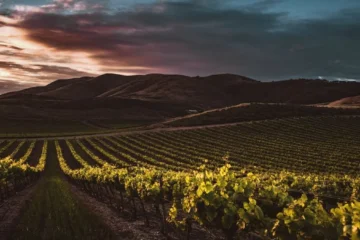
The shift is fueled by a blend of factors: rising on-trade demand, shifting consumer curiosity, and Bali’s unique terroir. In Buleleng, high elevations and cooling ocean breezes temper the island’s tropical heat, while volcanic soils nurture vines. Pioneer Ida Bagus Rai Budarasa’s Hatten Wines, founded in 1994, set the stage, blending international and local grapes into rosés, whites, and sparkling wines. Today, producers like Sababy, which pairs its Black Velvet with ayam pepes, are redefining what Bali’s wines can do. “Indonesian food deserves its own pairing language,” says owner Norh-man Moralejo, who’s seen curiosity turn into loyalty.
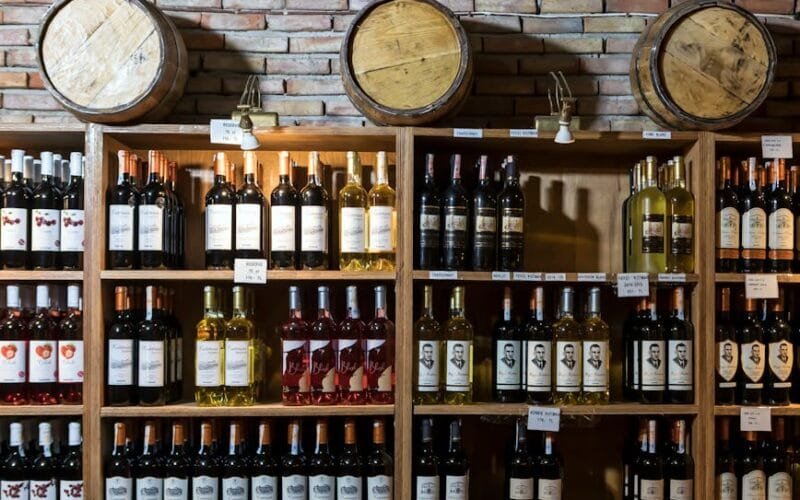
Yet the path hasn’t been easy. Bali’s import taxes—often exceeding 150% of a wine’s value—make foreign bottles prohibitively expensive, pushing locals to embrace homegrown options. “Wine isn’t native to Indonesia,” Ryu notes, “so education is part of my job.” Despite hurdles, the market is evolving. Premium wine boutiques like Finesip in Umalas now stock New World whites and Champagnes, while fine dining spots like Apéritif experiment with skin-contact wines. “The wine scene is extremely diverse,” says manager Tomas Kubart, “and the demand keeps getting stronger.”
But Bali’s melting pot of tourists means balance is key. Bars like Belle Ubud must cater to both luxury-seekers and laid-back travelers. “Some guests want a wine flight; others just want a cold glass on a warm evening,” Moralejo explains. The challenge? Making wine feel approachable, not intimidating.
Regulatory hurdles and cultural barriers are slowing growth, but education and collaboration are paving the way for a more sophisticated market.
KEY POINTS: Bali’s winemakers are leveraging volcanic soils and coastal climates to craft wines that pair seamlessly with local cuisine. Regulatory hurdles and cultural barriers are slowing growth, but education and collaboration are paving the way for a more sophisticated market. The island’s wine scene isn’t just about bottles—it’s about storytelling, sustainability, and redefining what a tropical terroir can achieve.
CLOSE: How do you think Bali’s wine culture will evolve as more travelers seek unique, locally rooted experiences? Share your thoughts below.
Questions & Answers
How many wineries are in Bali?
Bali has 16 wineries, spread across the island, contributing to its growing wine scene and attracting sommeliers and wine enthusiasts.
What makes Bali’s wine unique?
Bali’s unique terroir, including volcanic soil and cooling ocean breezes, creates ideal conditions for producing distinctive, high-quality wines.
Information sourced from industry reports and news outlets.