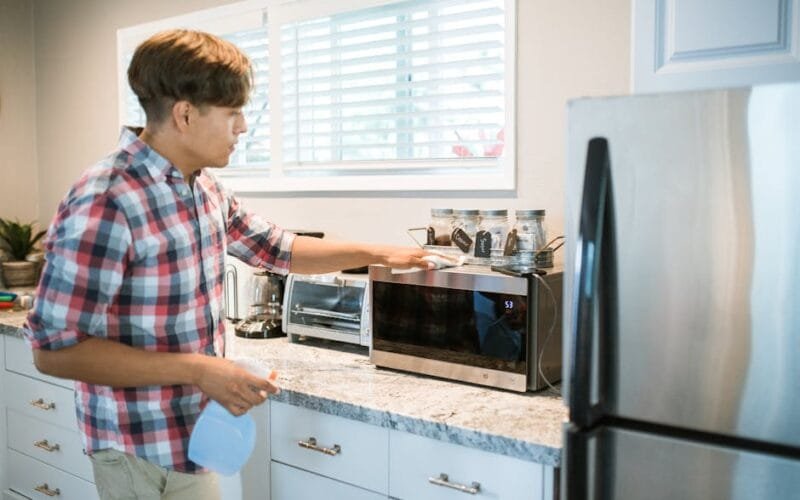
Imagine roasting coffee in a microwave. Sounds absurd, right? Yet, one amateur brewer did exactly that—and claims the results rival even local roasters. The experiment hinges on a simple truth: heat sources define flavor. Traditional roasters blast beans with external heat, caramelizing sugars and unlocking complex notes. Microwaves, by contrast, cook from within, a method that’s easier to execute but harder to master. The brewer’s claim? Their microwave-roasted beans had a cleaner, brighter profile than what local roasters could muster. But why? And why aren’t microwaves the standard?
The science is key. External roasting, whether via drum or fluid bed machines, subjects beans to intense, even heat. This triggers the Maillard reaction—a chemical dance that builds depth, acidity, and body. Microwaves, however, heat unevenly, often leaving some beans under-roasted while others scorch. The result? A flavor profile that’s less nuanced, with a tendency toward bitterness. Yet, the brewer’s experiment suggests there’s room for innovation. Maybe microwaves, when calibrated precisely, could replicate the consistency of traditional methods.
But practicality complicates things. Microwaves lack the control of industrial roasters. Temperature fluctuations, uneven heat distribution, and the risk of overcooking beans make scaling difficult. Plus, the texture of microwave-roasted beans often feels “wet” compared to the crisp, caramelized finish of properly roasted beans. This isn’t just about taste—it’s about the physical transformation of the bean. Microwaves can’t replicate the slow, deliberate heat that develops a bean’s character.
So, is microwave roasting a gimmick or a missed opportunity? The brewer’s experiment proves it’s possible, but the broader coffee world remains skeptical. The question isn’t whether it works—it’s whether it’s worth the trade-offs.
External roasting triggers the Maillard reaction, creating depth and body that microwaves struggle to match.
KEY POINTS: Microwave roasting heats beans internally, yielding a cleaner but less complex flavor than traditional methods. External roasting triggers the Maillard reaction, creating depth and body that microwaves struggle to match. Practical limitations like heat control and texture make microwave roasting unsuitable for commercial use.
CLOSE: Would you trust a microwave to roast your next batch of beans—or does the science of coffee demand more than a kitchen appliance? Weigh in below.
Questions & Answers
Does microwaving roast coffee work?
Yes, but it’s harder to master. Microwaves cook from within, creating a cleaner, brighter flavor profile compared to traditional roasting methods.
Why aren’t microwaves standard for roasting?
Microwaves are harder to control than traditional roasters. They lack the even heat needed for complex flavor development, making consistent results difficult to achieve.
Information sourced from industry reports and news outlets.