Real talk: Matcha’s caffeine isn’t just a buzzword—it’s a science-backed alternative to coffee’s crash. The idea that matcha delivers “calm alertness” without jitters has sparked debates, but research suggests there’s more to this green powder than meets the eye. Unlike coffee, which delivers a quick jolt of caffeine, matcha’s compound is absorbed more slowly, thanks to its unique preparation and composition. This gradual release might explain why some swear by its steadier energy.
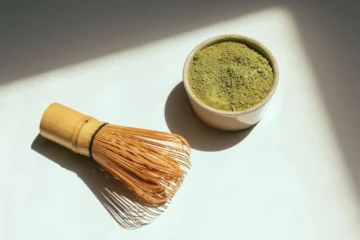
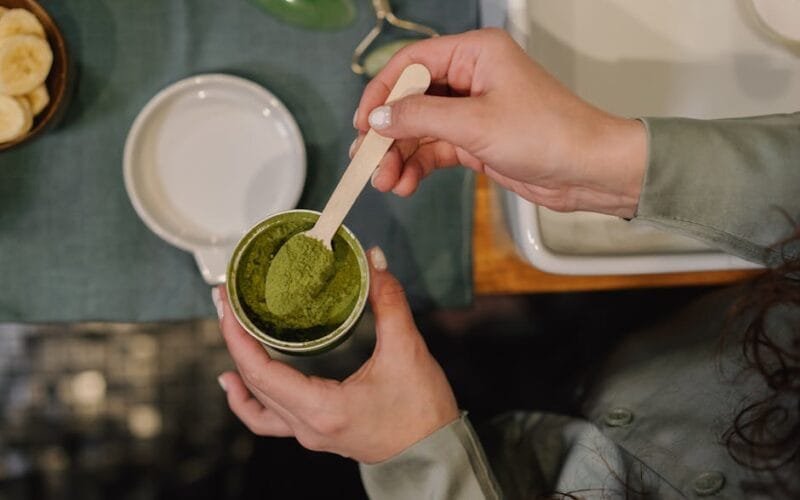
The magic starts with the plant. Matcha is made from shade-grown tea leaves, a practice that boosts chlorophyll and amino acids like L-theanine. These compounds work in tandem with caffeine to smooth out the stimulant effect. While coffee’s caffeine is extracted quickly, matcha’s is diluted in hot water and whisked into a fine powder, slowing absorption. “It’s like a controlled release,” says Marilyn Cornelis, a nutrition professor who compares matcha to green tea “on steroids.” The result? A sustained energy lift without the crash.
But don’t mistake matcha for a caffeine substitute. It still packs a punch—typically 30-70mg per serving, compared to green tea’s 20-25mg and coffee’s 95-200mg. The difference lies in how it’s processed. Matcha’s caffeine is paired with L-theanine, an amino acid that promotes relaxation. This combo may reduce the jitters and anxiety often linked to coffee. “It’s about balance,” says Allison Brager, a neuroscientist studying caffeine’s effects. “Matcha’s caffeine doesn’t just wake you up—it helps you stay focused without the burnout.”
Key points: Matcha’s caffeine is absorbed gradually, thanks to its preparation and L-theanine content. It contains more caffeine than green tea but less than coffee. The combination of compounds may reduce jitters and crashes.
What’s your take on its “calm alertness”.
Close: Have you ever noticed how matcha feels different from your usual cup of coffee? What’s your take on its “calm alertness”? Share your experience below.
Questions & Answers
Does matcha have more caffeine than coffee?
Matcha has about half the caffeine of coffee. A typical serving has 30-70mg, while coffee ranges from 95-200mg.
How long does matcha caffeine last?
Matcha caffeine lasts 4-6 hours. The L-theanine in matcha slows absorption, leading to a steady energy boost without crashes.
Information sourced from industry reports and news outlets.