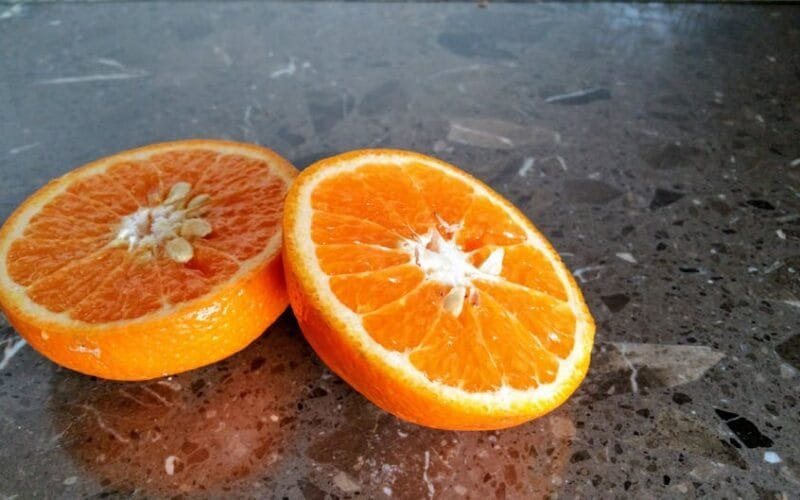
The verdict is in: Mandarin Shou Puerh isn’t supposed to taste like black pepper. At least, not in the way this tea lover is experiencing it. A recent brew delivered a punch of black pepper so intense it felt like a spice rack had exploded in the cup, accompanied by antiseptic undertones and a medicinal edge. The tea’s supposed citrusy notes were drowned out, leaving the drinker questioning whether they’d accidentally purchased a bottle of indomie or a misunderstood vintage.
Mandarin Shou’s reputation hinges on its earthy, mellow profile—think aged wood, damp soil, and a subtle sweetness. But this tea’s black pepper explosion defies expectations. The user notes that when brewed correctly, the tea’s citrusy character emerges, but the medicinal notes persist. This isn’t a flaw; it’s a signature. Puerh’s oxidation process often yields herbal, almost medicinal flavors, especially in older batches. The black pepper, however, is a red flag. While some pekoe or green teas flirt with pepperiness, Shou’s intensity suggests something off.
The tea community is split on how to interpret these notes. Some argue that medicinal undertones are a sign of proper aging, while others dismiss them as a flaw. The confusion stems from subjective tasting notes—chocolate in red tea, pepper in Shou, etc.—which often overshadow the tea’s primary character. The user’s frustration mirrors a broader debate: Are these notes anomalies, or are they part of the tea’s identity?
The key is to contextualize these flavors within the tea’s origin and processing. Mandarin Shou’s black pepper might stem from specific harvests, fermentation techniques, or even storage conditions. But if the tea feels more like a spice cabinet than a cup of tea, it’s worth revisiting the source.
The black pepper suggests a possible flaw in processing or aging.
Mandarin Shou’s medicinal notes are a sign of its age and oxidation. The black pepper suggests a possible flaw in processing or aging. The tea’s true character is often buried beneath these notes.
What’s your take? Have you ever encountered a tea that tasted more like a spice rack than a cup of tea? Share your story below.
Questions & Answers
Does mandarin shou have a black pepper flavor?
Mandarin shou typically does not taste like black pepper. Its flavor is more earthy and sweet, with notes of wood and spice, but not black pepper.
What does mandarin shou taste like?
Mandarin shou has a rich, earthy flavor with hints of wood, spice, and sweetness. It’s often described as bold and complex, with a lingering finish.
Information sourced from industry reports and news outlets.