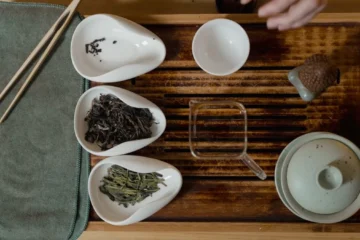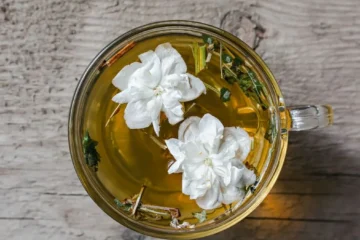
Navigating the world of Pu Erh can feel like deciphering a cryptic code—until you know where to start. For newcomers, the sheer variety of cakes, regions, and aging profiles can be overwhelming. Enter the dilemma of sample selection: how do you choose wisely without overspending? The answer lies in understanding the language of terroir, the psychology of taste, and the quiet power of patience.
Pu Erh’s magic is rooted in its origin. Yunnan’s fertile soils and humid climate birth the most coveted teas, but not all regions are created equal. Menghai, for instance, is renowned for its sweet, floral notes, while Shidian’s earthier tones appeal to those craving depth. Yet, even within these zones, nuances matter. A cake from the 2015 harvest might boast a honeyed sweetness, while the same region’s 2020 vintage could lean toward a smoky, aged character. The key? Let the tea speak. Start with small samples to avoid the guilt of waste, and let your palate guide you.
But how do you decode the tea’s personality? Aged Pu Erh (shu) is fermented to perfection, offering a velvety mouthfeel and a lingering sweetness. Raw (sheng) teas, on the other hand, are wilder, with a vegetal edge that mellowed over time. If you’re avoiding bitterness, prioritize aged versions—especially those from Menghai or Banna, where fermentation softens the profile. However, don’t dismiss raw teas entirely; they can develop into masterpieces if stored correctly. The trick is to let them age in your cupboard, not a warehouse.
Your preferences matter most. Sweet and fruity? Seek out cakes with a caramel-like body. Avoid anything that lingers on the palate with astringent bitterness. And if you’re unsure, trust the community. Forums and local experts often share insights on which regions to trust—and which to avoid.
KEY POINTS: Prioritize regions like Menghai for sweetness, start with small samples to avoid waste, and lean into aged Pu Erh for a smoother profile.
KEY POINTS: Prioritize regions like Menghai for sweetness, start with small samples to avoid waste, and lean into aged Pu Erh for a smoother profile.
CLOSE: What’s your go-to region for Pu Erh, or a memorable tasting that changed your perspective? Share below.
Questions & Answers
What is Pu Erh Auswahl?
Pu Erh Auswahl refers to the selection of high-quality Pu Erh tea. It involves careful grading based on aroma, taste, and appearance to ensure premium quality.
How to store Pu Erh Auswahl?
Store Pu Erh Auswahl in a cool, dry place away from light and strong odors. Use a sealed container to preserve flavor and prevent moisture absorption.
Information sourced from industry reports and news outlets.