Real talk: If you’ve ever wondered why some people ditched their espresso routines for filter coffee, you’re not alone. For years, espresso-based drinks like cappuccinos and flat whites dominated the coffee scene—until a growing number of folks started prioritizing pour-over, French press, and lighter roasts. The question isn’t just about taste anymore; it’s about habit, cost, and the quiet revolution of simplicity.
The shift often hinges on roast level and origin. Lighter roasts, like those from Ethiopian or Guatemalan beans, bring out floral, citrusy notes that espresso’s boldness can’t match. For some, it’s the clarity of flavor—no bitterness, no dairy, just a clean cup. Others cite processing methods: natural-processed beans, with their tart, jammy profiles, feel like a revelation compared to the creamy mouthfeel of milk-based drinks. But it’s not just about beans. The ritual of brewing—pouring hot water, watching the extraction unfold—adds a meditative quality many crave.
Convenience and cost also play a role. Filter coffee is often cheaper than specialty espresso, and the equipment (a Chemex, a V60, even a French press) is more accessible than a high-end espresso machine. For budget-conscious drinkers, this makes a big difference. Health factors, too, are part of the equation. Some swear lighter roasts are easier on the stomach, while others link the shift to reduced sugar intake—milk drinks often come with added sweeteners.
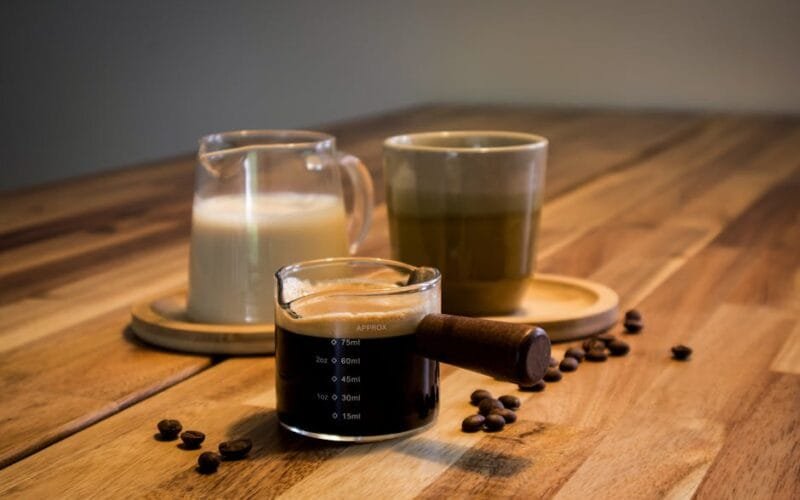
Still, not everyone makes the switch. For many, espresso is about texture and speed. The froth, the warmth, the ritual of a barista’s expertise—these elements are hard to replicate at home. Plus, the habit of relying on milk-based drinks for comfort or caffeine delivery isn’t easily broken.
For others, it’s about cost, convenience, or health.
The shift often hinges on roast level and origin, not just taste. For others, it’s about cost, convenience, or health. But the real takeaway? Coffee is evolving, and so are our habits.
What made you stick with espresso—or trade it in for filter? Share your story below.
Questions & Answers
What are the health benefits of switching to filter coffee?
Filter coffee reduces cholesterol and lowers heart disease risk. It’s less acidic, easing digestion. Many find it more sustainable and cost-effective long-term.
How does filter coffee taste compared to espresso?
Filter coffee has a smoother, milder flavor. It’s less bitter and richer in aroma. Many prefer its balanced taste over espresso’s strong, concentrated profile.
Information sourced from industry reports and news outlets.