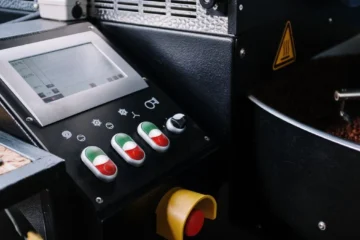
Pour yourself a cup for this one: coffee roasting isn’t about chasing ratios—it’s about mastering development time. For years, I clung to 40/40/20 or 40/45/15 ratios on my SR800 fluid bed roaster, only to stare at underwhelming fruit notes. The numbers felt safe, but the results? Bland. Take a 10-minute roast reaching first crack at 8 minutes: 20% development time. The outcome? A flat, unremarkable cup. But when that same roast hit first crack with just 30 seconds of development time—5.88% DT—it burst with sweetness, brightness, and a vibrant fruit profile. That’s the magic I’ve leaned into 99% of the time, sometimes dialing it down to 15 seconds (3.03% DT).
The shift was radical. I discarded “expert” ratios like they were outdated recipes. The proof? My cups. If you crave a light roast that’s fruity, balanced, and sweet, this approach works. It’s especially effective with higher elevation naturals, which thrive in shorter DTs. I’m not saying ratios are irrelevant—just that they’re secondary to how you let the beans evolve.
Here’s the thing: drum roasters take longer to reach first crack, which means shorter DTs feel even more precise. I’ll keep my DT philosophy consistent even when upgrading to a 2kg drum roaster. The goal isn’t to follow trends—it’s to let the beans speak.
If you’re chasing fruit-forward profiles, ask yourself: Are you prioritizing ratios or the roast’s soul? What’s your go-to DT for balance and brightness?
Ignore “expert” ratios if they’re holding you back from a vibrant cup.
KEY POINTS: Prioritize development time over ratios—shorter DTs unlock fruitiness and sweetness. Ignore “expert” ratios if they’re holding you back from a vibrant cup. Adapt your DT strategy for drum roasters, as they require longer first crack times.
CLOSE: What’s your secret to achieving a fruity, balanced roast? Share your method in the comments.
Questions & Answers
What is a DTR in fitness?
DTR stands for Dead Time Recovery. It’s a rest period between sets to allow muscles to recover, improving performance and reducing injury risk.
How long should DTR be?
DTR typically ranges from 30 seconds to 2 minutes, depending on the exercise and intensity, ensuring optimal recovery without over-resting.
Information sourced from industry reports and news outlets.