Listen up: Poland isn’t just a vodka kingdom anymore. For decades, the country’s wine scene was buried under stereotypes—sickly-sweet moonshine, forgotten vineyards, and a legacy of frost, war, and communist-era neglect. But something is shifting. Across its 16 regions, a new generation of winemakers is rewriting the script, turning Poland into a hidden gem for lovers of bold, expressive vintages.
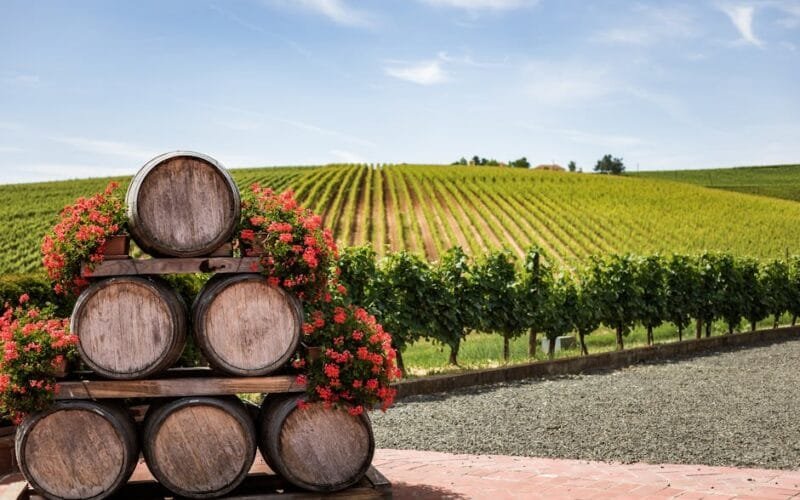
The revival began in 2008, when relaxed regulations let small-scale growers experiment beyond the frost-resistant hybrids that once dominated. Today, over 600 wineries thrive, with clusters in the southeast and southwest—regions now buzzing with riesling, pinot noir, and even cabernet franc. These aren’t mass-produced bottles you’ll find in your local sklep. Instead, they’re rare finds, often exported through UK importer Adam Michocki, whose Central Wines has become a bridge between Polish terroir and Michelin-starred kitchens.
Take Dom Bliskowice, a former architect’s venture in southern Poland. Its skin-contact johanniter, Ultra, is a revelation—earthy, herbaceous, and alive with wild fermentation. Or consider Winnica Silesian, a communist-era collective reborn as a hub for playful, terroir-driven wines. Esben Madsen, a Danish oceanographer married into the Mazurek family, crafts Rondo Vous, a red that channels Burgundy’s soul but with a distinctly Polish twist. These are wines that demand attention, not just for their origin but for their character.
The UK market is waking up to this shift. Central Wines’ list includes Niemczańska’s chardonnay, a polished, vanilla-scented white that pairs perfectly with pierogi, and Turnau Solaris, a bright, citrus-driven hybrid that outshines many sauvignon blancs. The challenge? Tiny yields and high demand make these bottles scarce—and pricey. But for those willing to seek them out, the payoff is undeniable.
The country’s southeast and southwest regions are now hotspots for riesling, pinot noir, and hybrid varieties.
Key points: Poland’s wine renaissance is driven by post-2008 deregulation and a surge in experimental, terroir-focused producers. The country’s southeast and southwest regions are now hotspots for riesling, pinot noir, and hybrid varieties. UK importers like Central Wines are bringing these rare vintages to a wider audience, though availability remains limited.
What’s your take? Have you tasted a Polish wine that changed your mind about the country’s wine potential? Share your favorite discovery below.
Questions & Answers
What regions produce Polish wine?
Key regions include Małopolska, Świętokrzyskie, and Lubelskie. These areas are known for their diverse terroir and growing interest in wine production.
Why is Polish wine gaining attention?
Polish wine is gaining attention due to improved quality, unique regional blends, and a growing focus on sustainable practices. It’s also becoming more accessible internationally.
Information sourced from industry reports and news outlets.