If you’ve ever wondered why matcha feels like a revelation compared to coffee, it’s not just the caffeine—it’s the complexity. This powdered green tea, steeped in centuries of Japanese tradition, has surged in popularity as a smoother, more balanced alternative to espresso. But not all matcha powders are created equal. After tasting six store-bought options, here’s what we learned: quality matters, preparation matters, and some brands are better suited for specific uses than others.
The worst matcha we tried was MatchAiA USDA-Certified Organic Matcha. It tasted watery, sharp, and overly bitter, with no umami depth to soften its edges. Even with milk, the bitterness lingered, making it undrinkable. This culinary-grade powder is better for baking or smoothies, where its harshness can be masked. Carrington Farmers Matcha followed closely, delivering a flat, burnt-tasting bitterness that lacked the grassy freshness of a good matcha. It’s another culinary-grade option, meant for recipes rather than solo sipping.
Kuli Kuli’s superfood blend offered a sweeter, more approachable profile, with chocolatey notes and a slight sweetness. But its artificial undertones and mushroomy flavor from lion’s mane made it feel less like matcha and more like a health shot. Aiya’s sweetened version was a crowd-pleaser for beginners, with pre-mixed sugar and milk creating a creamy, mild latte. Yet its artificial sweetness and lack of traditional grassiness made it feel less authentic.
Trader Joe’s surprised us with its bold, balanced flavor—bitter upfront but smooth and sweet in the finish. It’s a strong contender for both drinking and cooking. Our favorite, Jade Leaf Organic Ceremonial Grade Matcha, delivered an earthy, complex first sip that evolved into a silky, slightly sweet aftertaste. It’s the rare powder that doesn’t require masking with milk or sugar.
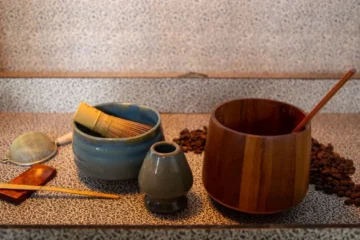
Preparation matters—use a matcha bowl, hot water, and whisking to unlock its flavor.
KEY POINTS Ceremonial-grade matcha is superior to culinary-grade for solo drinking, offering depth and balance. Preparation matters—use a matcha bowl, hot water, and whisking to unlock its flavor. Some powders excel in recipes, while others are better suited for lattes or baking.
What’s your go-to matcha? Share your favorite in the comments below.
Questions & Answers
What’s the best store-bought matcha powder?
Jade Leaf Matcha is ranked highest for its rich flavor and smooth texture. It’s well-suited for both drinking and cooking.
Which matcha is worst for quality?
Yubari Matcha is ranked lowest due to its weak flavor and gritty texture. It’s best avoided for premium matcha experiences.
Information sourced from industry reports and news outlets.