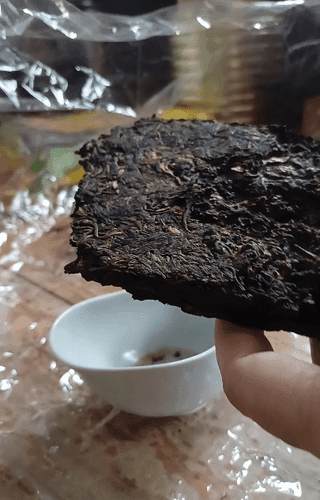
For Puer tea enthusiasts, the ritual of breaking down a hard tea brick is both an art and a test of patience. These dense, compressed cakes—often aged for years—require precision to unlock their depth. Take the Lancang Gushu Puer Raw tea from the 2000s, for instance. Its brick form, while challenging to crack, holds secrets in every fragment. The process isn’t just about extraction; it’s about coaxing out layers of flavor that demand respect.
The key lies in balance. Too few tea leaves, and the brew becomes thin, lacking the bold character of aged Puer. Too many, and the tea overwhelms, diluting its nuanced notes. This is where experience shines. A skilled brewer knows that reducing water volume intensifies fragrance, while a fuller infusion allows the tea’s earthy complexity to unfold. The 2000s Lancang Gushu, with its layered notes of moss and aged wood, thrives in this delicate dance between quantity and water.
What makes these bricks compelling isn’t just their age but their transformation. Each brick is a time capsule, its compressed form a metaphor for patience. Breaking it open is like unearthing a story—of terroir, craftsmanship, and time. Yet the real magic happens in the cup. The tea’s aroma, once restrained, bursts into a symphony of floral and woody undertones. It’s a reminder that great tea isn’t just steeped; it’s revealed.
So what’s your secret to unlocking a brick’s potential? Do you prefer a focused, concentrated brew or a lighter, more open infusion? Share your approach—after all, the best tea stories are those shared between kindred souls.
Questions & Answers
How do you make tea brick?
Tea bricks are made by pressing tea leaves into molds under heat and pressure. This process compresses the leaves into a solid block, which is then dried and stored for later use.
What’s the best way to brew tea brick?
To brew tea brick, first break it into small pieces. Use water around 95°C and steep for 3-5 minutes. Strain and enjoy. Some prefer to reheat the tea for a stronger flavor.
Information sourced from industry reports and news outlets.