The coffee world is changing, and AI is at the center of it. From grading green beans to predicting roast curves, artificial intelligence is reshaping specialty coffee. But as algorithms take over, the question isn’t just whether AI can improve coffee—it’s whether it can preserve the craft that made it special.
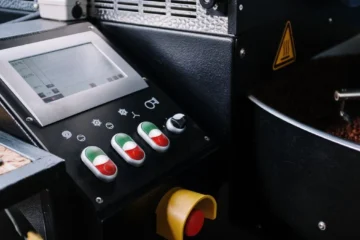
AI’s most immediate value lies in tackling the inefficiencies that plague coffee businesses. Vision systems can spot insect damage or screen-size deviations faster than any human, while machine-learning models refine roast curves with precision, cutting down trial-and-error waste. These tools aren’t just streamlining workflows—they’re redefining quality control. James Corwin, creator of CoffeeOS, calls it the “longest and most wasteful part of coffee production”: dialing in a new roast or brew. “Even I’ve choked an espresso machine enough times to fill a swimming pool,” he says. AI’s ability to analyze vast datasets means mistakes are minimized, and consistency is maximized. For small roasters, this translates to faster skill development and reduced reliance on years of apprenticeship.
Yet the trade-offs are clear. Data fragmentation and proprietary systems create silos, limiting AI’s effectiveness. Training models on narrow datasets risks bias, nudging flavors toward monocultures that ignore local tastes. Labor concerns loom too: if machines handle repetitive tasks, will entry-level roles vanish, leaving fewer pathways for craft? And when an AI “suggests” a roast change that flattens a coffee’s character, who owns the mistake? The vendor? The roaster? The algorithm itself?
The industry’s biggest hurdle isn’t just technology—it’s interoperability. Coffee equipment doesn’t speak the same language. Roasters save data one way, grinders another, and espresso machines add their own formats. Without shared standards, cafés are stuck copying numbers between spreadsheets. DiFluid’s CoffeeOS aims to unify these systems, but until devices talk to each other, progress stalls.
The coffee industry must prioritize transparency and interoperability to avoid siloed systems.
Key takeaways: Efficiency gains from AI are real, but they come with risks like data bias and labor displacement. The coffee industry must prioritize transparency and interoperability to avoid siloed systems. Ultimately, AI’s role isn’t to replace humans but to amplify their expertise—so the craft remains at the heart of the cup.
How can the specialty coffee world balance AI’s efficiency with the human elements that make coffee more than just a drink?
Questions & Answers
How does AI improve coffee quality?
AI analyzes data to optimize brewing, roast profiles, and bean selection, enhancing flavor and consistency. It also streamlines supply chain decisions for better quality control.
What are the risks of AI in coffee?
AI risks include over-reliance on data, missing human expertise, and potential biases in algorithms. It may also reduce transparency in traditional coffee-making processes.
Information sourced from industry reports and news outlets.