Pour yourself a cup for this one: The debate over ceremonial vs. culinary matcha isn’t just about labels—it’s a clash of philosophy, flavor, and value. Last week, I walked into a local tea shop armed with a list of lattes I’d perfected over years, only to be schooled by the owner on why my usual routine was a waste of money. He insisted Wakatake powder—marketed as “cooking-grade”—was the only path forward, while ceremonial matcha, he claimed, was too delicate for milk. The conversation felt less like advice and more like a lecture, but the question lingered: Is ceremonial matcha truly a lost cause for lattes, or is the store owner just chasing a narrative?
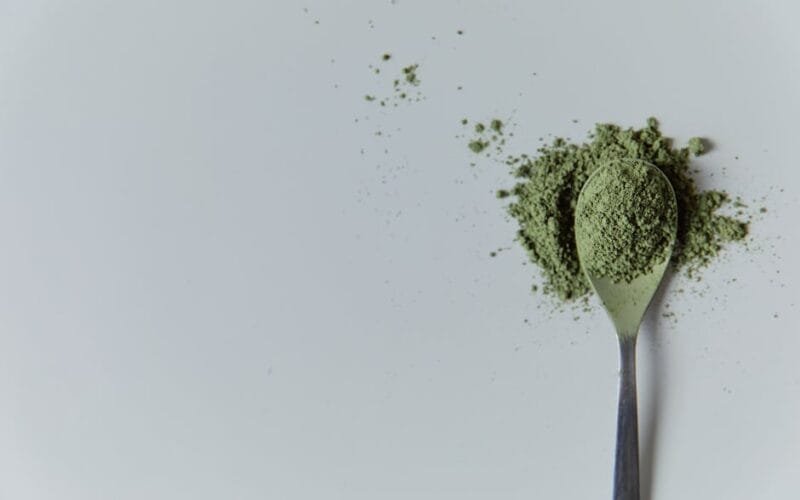
The divide between culinary and ceremonial matcha is less about quality and more about intent. Culinary grades are often harvested earlier, with lower umami and a more vegetal profile—perfect for masking in milk. Ceremonial, by contrast, is shade-grown, harvested later, and packed with umami that can’t be ignored. The store owner’s argument makes sense in a way: milk dilutes complexity, so why pay premium for a flavor that gets lost? But that logic ignores the nuance of balance. A high-quality ceremonial matcha isn’t just about taste—it’s about texture, mouthfeel, and the way it interacts with dairy. It’s like comparing a fine wine to a cheap bottle—both can be enjoyable, but the former offers a depth that lattes deserve.
The store owner’s comparison to wine hit a nerve. If you’d never open a $500 bottle of Bordeaux to sip alone, why treat ceremonial matcha differently? The idea that culinary grades are “for cooking” feels like a marketing ploy, not a rule. Brands like Isuzu and Marukyu Koyamaen exist to cater to different needs, not to dictate how you should use them. The real debate isn’t about waste—it’s about priorities. Are you chasing convenience, or are you willing to pay more for a drink that tastes like an experience?
Key points: Ceremonial matcha’s umami and complexity shine best in lattes, not just ceremonies. Culinary grades are practical but lack the depth of premium options. The “cooking vs. ceremonial” label is more about marketing than objective quality.
Share your take: Should we be redefining “culinary” to mean something other than “cheaper”.
What if the real waste was ignoring how much a great matcha latte can elevate your day? Share your take: Should we be redefining “culinary” to mean something other than “cheaper”?
Questions & Answers
Is culinary grade coffee safe for lattes?
Yes, culinary grade coffee is safe for lattes. It meets food safety standards and is intended for human consumption, making it suitable for espresso and milk-based drinks.
Can you use non-culinary coffee for lattes?
No, non-culinary coffee is not safe for lattes. It’s intended for industrial or commercial use only and may contain harmful substances for human consumption.
Information sourced from industry reports and news outlets.