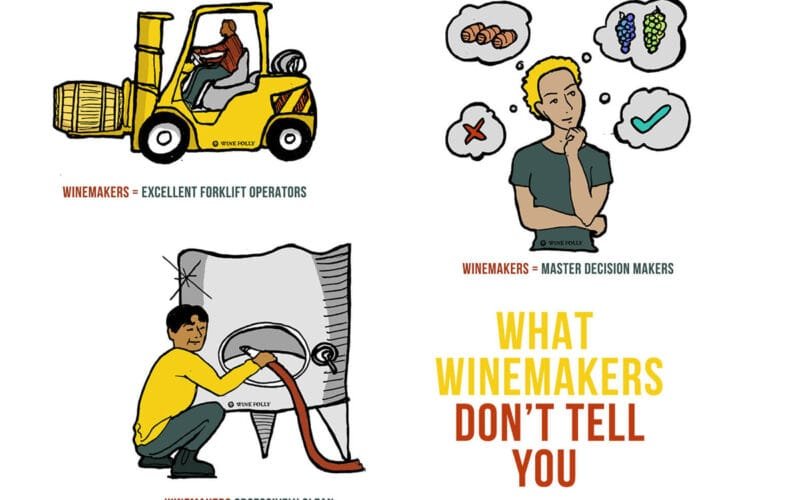
The verdict is in: Winemaking isn’t just about grapes and barrels. It’s a high-stakes balancing act of chemistry, intuition, and relentless problem-solving. Behind every bottle lies a labyrinth of decisions that most consumers never see. From the moment grapes are harvested to the final pour, winemakers are navigating a world of variables that defy simplicity. Let’s cut through the romanticism and reveal the unspoken realities of their craft.
Harvest is the winemaker’s most intense season, but it’s not just about picking fruit. Timing is everything—deciding when to harvest grapes hinges on a delicate dance between acidity, sugar, and tannins. Too early, and the wine lacks depth; too late, and it becomes overripe and unbalanced. Winemakers often blend scientific data with sensory judgment, using tools like pH meters and Brix readings to track ripeness. Yet, these numbers are only part of the story. A winemaker at an estate vineyard might walk the rows daily, tasting grapes and assessing vine health, while a cooperative winery’s growers follow strict guidelines set by the winery. The difference? One relies on instinct honed by experience, the other on rigid parameters that dictate paychecks.
Logistics during harvest are just as critical as the winemaking itself. Custom crush wineries, which process fruit from multiple regions, face constant improvisation. A heatwave might force winemakers to repurpose tanks or free up oak barrels, all while juggling dozens of clients. Even the smallest details matter: temperature control, fermentation timing, and whether to press early or late. These choices shape the wine’s structure, aroma, and longevity. A single misstep—a tank left unventilated, a yeast strain that behaves unpredictably—can derail an entire batch.
Winemakers are also perpetual planners. Before harvest, they decide on equipment: concrete tanks, terracotta amphorae, or neutral barrels. During the season, they’re constantly recalibrating schedules, anticipating bottlenecks, and adapting to nature’s whims. Beyond the cellar, their work extends to vineyard management, client communication, and aging trials. A 15-year-old vineyard might yield a bold, easy-drinking Cannonau, while a century-old plot produces a complex reserve that ages gracefully. The magic isn’t just in the grapes—it’s in the choices that transform them into something unforgettable.
Harvest timing is a critical gamble, and logistics during peak season demand flawless coordination.
Key points: Winemaking blends science and art, with decisions shaped by data and intuition. Harvest timing is a critical gamble, and logistics during peak season demand flawless coordination. The final product is a result of countless micro-decisions, from fermentation techniques to vineyard sourcing.
What’s the most surprising thing you’ve learned about winemaking? Share your thoughts below.
Questions & Answers
Do winemakers add sugar to wine?
Yes, they may add sugar to balance acidity or enhance flavor. This is called chaptalization, often used in cooler climates to boost alcohol content.
Can wine be made without yeast?
No, yeast is essential for fermentation. Without it, sugars remain unconverted, and the liquid won’t become wine. Natural fermentation relies on wild yeast.
Information sourced from industry reports and news outlets.