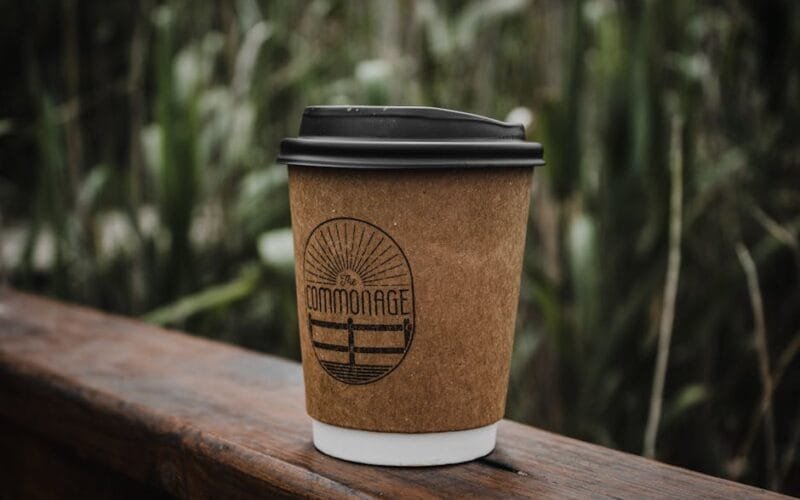
Imagine sipping your coffee while the world wakes up. That cup in your hand, warm and familiar, might be doing more than delivering caffeine—it could be silently releasing plastic particles into your drink. A new study reveals that takeaway coffee cups, especially those made of plastic or with thin plastic linings, shed thousands of microplastics when heated. These tiny fragments, invisible to the naked eye, are already infiltrating our food, water, and even our bodies. The science is clear: heat is the silent culprit behind this crisis.
When we pour hot liquids into plastic cups, the material warms up, softens, and begins to break down. Researchers found that polyethylene cups—common in single-use takeaway containers—can release over 8 million microplastic particles per liter of liquid. The same cups, when tested with cold water, released just a fraction of that. The difference? Temperature. The hotter the drink, the more the plastic degrades. Even a simple shift from iced coffee to hot coffee can spike microplastic emissions by 33%.
The study, conducted by Xiangyu Liu and colleagues, tested 400 cups in Brisbane, comparing polyethylene cups to plastic-lined paper cups. While both types shed microplastics, the paper cups with thin plastic linings fared better. Their smoother inner surfaces resisted fragmentation, even under heat. For someone drinking 300ml of coffee daily in a polyethylene cup, the annual microplastic intake could reach 363,000 particles. That’s a staggering number, but the bigger picture is even more alarming: these particles are now found in our oceans, food chains, and—potentially—our bloodstreams.
The science is still evolving. While researchers haven’t confirmed long-term health impacts, the risk is undeniable. For now, the solution lies in mindful choices. Opt for reusable cups made of stainless steel, glass, or ceramic. If disposable cups are unavoidable, prioritize plastic-lined paper options. And next time, ask for your coffee slightly cooler—reducing thermal stress on the cup’s lining can cut exposure.
Should we rethink how we drink our coffee—or is it time to demand better alternatives.
What’s your take? Should we rethink how we drink our coffee—or is it time to demand better alternatives?
Questions & Answers
How many microplastics do takeaway cups release?
Takeaway cups can release thousands of microplastic particles per cup, harming waterways and marine life.
Are takeaway coffee cups harmful to the environment?
Yes, they release microplastics into water, polluting ecosystems and posing risks to wildlife and human health.
Information sourced from industry reports and news outlets.