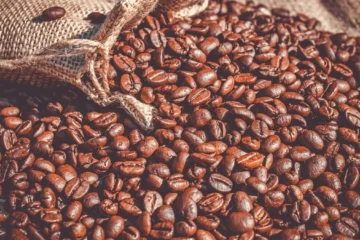
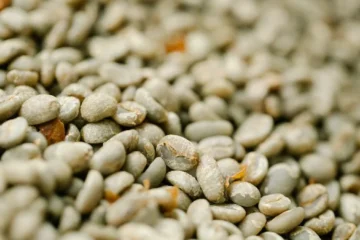
If you’ve ever wondered why some light roasts sing with fruitiness while others fall flat, you’re not alone. Natural process coffees, especially from Colombia, are known for their vibrant acidity and tropical notes, but mastering their aroma is an art. The user’s struggle—capturing that elusive bright, berry-forward profile—highlights a common challenge: balancing light roasting’s delicacy with the risk of underdeveloped flavors. The key lies in understanding how temperature, timing, and bean origin shape aroma.
Light roasts preserve the coffee’s inherent characteristics, but they demand precision. A natural process coffee’s fruitiness stems from its high acidity and fermentation during drying, which imparts tangy, citrusy, or berry-like notes. However, these traits are fragile. Roasting too slowly can let the coffee develop a dull, roasted character, while rushing the process might scorch the delicate sugars. The user’s SR800 setup, with its 3.5–4-minute Maillard to first crack time, is a starting point, but the curve matters. Early heat application can accelerate sugar caramelization, enhancing brightness without sacrificing acidity.
Temperature control is where most roasters falter. The first few minutes of roasting—when the Maillard reaction kicks in—are critical. A steeper temperature rise here can coax out more fruit esters, but it requires careful monitoring. Overdoing it risks introducing bitterness, while under-roasting leaves the profile flat. Some roasters use heat guns or modified airflow to manipulate heat distribution, but this demands practice. Also, bean quality plays a role: a poorly dried or inconsistently sorted batch might never express those bright notes, no matter the technique.
The takeaway? Light roasting natural process coffees is a tightrope walk. Prioritize a steeped temperature rise early in the roast to unlock fruitiness, but stay vigilant to avoid overdevelopment. Trust your bean’s origin—some regions naturally yield more vibrant profiles. And remember, consistency isn’t just about time; it’s about how that time is spent.
What’s your go-to method for coaxing fruitiness from a natural process roast.
What’s your go-to method for coaxing fruitiness from a natural process roast? Share your tricks below.
Questions & Answers
Should I use a French press or pour-over for fruitier coffee?
Use a pour-over for more fruit aroma. It allows better extraction of delicate flavors compared to French press.
Does grind size affect fruit aroma in natural process coffee?
Finer grind enhances fruit notes. It increases surface area, allowing more aromatic compounds to be extracted.
Information sourced from industry reports and news outlets.