Forget the clichés of German wines. Austria’s Grüner Veltliner is a revelation—part citrus, part flint, all complexity. This grape doesn’t just grow in Austria; it is Austria. While other varietals migrate across continents, Grüner stays rooted in its homeland, crafting a white wine that’s as bold as it is nuanced. This week’s Tasting Challenge zeroes in on why Grüner Veltliner is a global standout, and how its terroir shapes its unmistakable character.
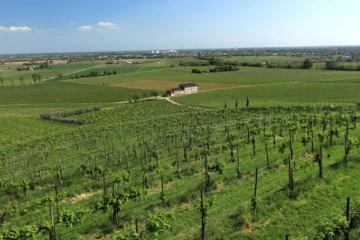
Austrian Grüner is a study in contrasts. Light yet vibrant, it balances high acidity with a mineral-driven backbone. Think of it as a citrus zinger with a flinty edge—lime, white pepper, and crushed rock swirl together in a single glass. The Wachau Valley, Austria’s most revered wine region, is where this magic happens. Its terraced vineyards, often perched at higher altitudes, create a microclimate that’s cooler and drier than much of Europe. This environment slows grape ripening, amplifying acidity and unlocking those signature stone-like flavors. The result? A wine that feels both precise and wild, like a mountain stream cutting through limestone.
The “Terrassen” label on our sample hints at this geography. Grown on slopes that catch the sun’s angle just right, these grapes deliver a savory complexity that’s hard to pin down. Notes of asparagus and crushed rock might seem odd, but they’re part of Grüner’s DNA—a savory spice that cuts through its fruitiness. Pair it with sesame chicken or fried flounder, and you’ll see why Austrians pair it with everything from Asian fare to schnitzel. The wine’s acidity acts as a knife, slicing through richness without overpowering.
Yet Grüner isn’t a one-trick pony. While the Wachau’s lighter styles dominate, Austria’s other regions offer variations. The “Smaragd” designation, for instance, signals a richer, longer-aged version with honeyed lemons and nutty undertones. These wines are aged longer, bottled in 1-liter formats—a quirk that makes them feel like a celebration. They’re not just drinks; they’re statements.
Look for “Smaragd” labels for richer, honeyed versions of the wine.
1. The Wachau Valley’s terraced vineyards and cool climate create Grüner’s signature flinty minerality and razor-sharp acidity. 2. Look for “Smaragd” labels for richer, honeyed versions of the wine. 3. Austrian Grüner’s versatility makes it a standout pairing for everything from Asian dishes to fried flounder.
What Grüner Veltliner discovery will you make this week? Share your finds below—and don’t forget to snap a photo of that 1-liter bottle!
Questions & Answers
What food pairs well with Grüner Veltliner?
Grüner Veltliner pairs well with seafood, poultry, and light cheeses. Its crisp acidity and citrus notes complement delicate dishes perfectly.
How long should Grüner Veltliner age?
Most Grüner Veltliner is best enjoyed young, within 1-3 years. Some higher-end examples can age for up to 5-7 years, developing nutty and honeyed characteristics.
Information sourced from industry reports and news outlets.