If you’ve ever reached for a sparkling wine, chances are you grabbed Prosecco. But this isn’t just a budget sipper—it’s a story of terroir, tradition, and a classification system that separates the ordinary from the extraordinary. This week’s challenge? Unpacking Prosecco’s hidden depth, from its humble origins to the rarefied DOCG tiers that elevate it into a serious contender for your glass.
Prosecco’s reputation as a casual, affordable sparkler is well-earned, but don’t let that fool you. The Conegliano Valdobbiadene region alone sold 92 million bottles in 2019, yet its top-tier DOCG wines rival the complexity of Champagne. The key? Understanding the grape—Glera—and the region’s meticulous hierarchy. While most Prosecco is made in large tanks (a process that prioritizes efficiency over aging on lees), the DOCG designation ensures grapes are hand-harvested, fermented in smaller batches, and aged longer, yielding a wine that’s both vibrant and nuanced.
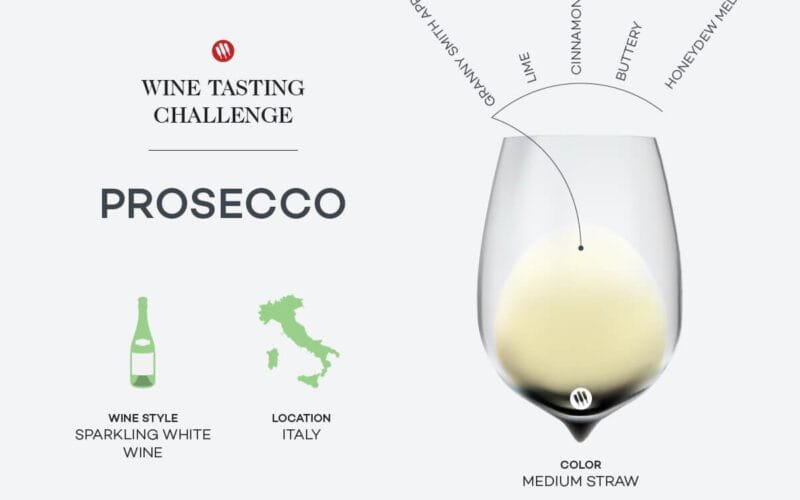
Tasting a Conegliano Valdobbiadene DOCG reveals layers you’d expect from a higher-end sparkler: medium-straw color, aromas of lime, Granny Smith apple, and honeydew melon, with a buttery whisper that lingers. On the palate, it’s tart and zesty, like biting into a sour apple, yet finishes with a creamy, almost beer-like texture. This isn’t just a party drink—it’s a versatile companion for sesame chicken, fish tacos, or lemon pepper wings. The trick? Pair it with foods that complement its acidity without overpowering it.
Prosecco’s magic lies in its duality. It’s affordable enough to drink without guilt but refined enough to impress. The Col Fondo variant, for instance, bottles sediment for a cloudy, almost rustic experience—a rare find outside Europe but worth seeking. Whether you’re sipping it as an aperitif or pairing it with a meal, Prosecco’s value is in its ability to deliver quality without breaking the bank.
Tank production yields simpler wines, while DOCG tiers offer complexity.
Key points: Prosecco is made from Glera grapes in the Conegliano Valdobbiadene region, with DOCG classifications ensuring quality. Tank production yields simpler wines, while DOCG tiers offer complexity. Col Fondo is a rare, sediment-filled style worth exploring.
What’s your go-to Prosecco pairing? Share your favorite below.
Questions & Answers
How long does Prosecco last after opening?
Prosecco lasts 2-3 days after opening. Store in cool, dark place. Best consumed fresh for optimal flavor and effervescence.
What temperature should Prosecco be served at?
Serve Prosecco at 45-50°F (7-10°C). Chilling enhances its crispness without dulling aromas. Avoid freezing or over-chilling.
Information sourced from industry reports and news outlets.