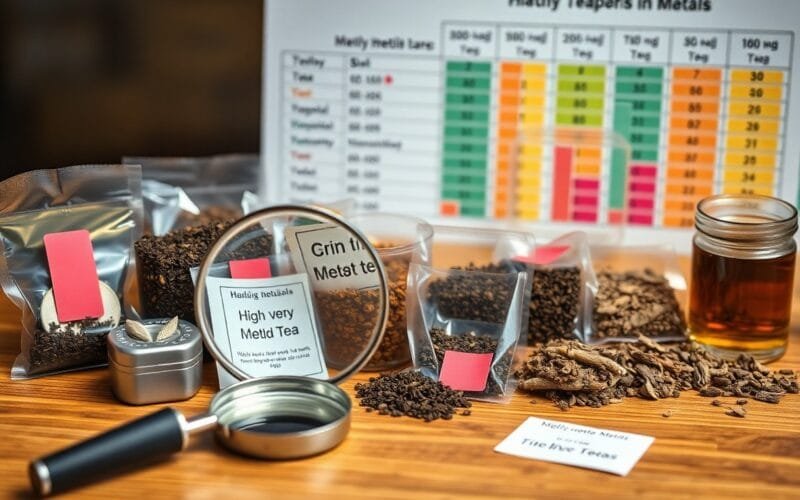
It’s imperative to be aware of the potential heavy metal content in certain teas you consume. While tea can offer numerous health benefits, some varieties may be contaminated with harmful metals like lead, arsenic, and cadmium. Understanding which teas to watch out for can help you make informed choices and enjoy your tea without compromising your health. This post will guide you through the types of teas that typically contain higher levels of these metals, enabling you to select safer options for your daily brew.
Understanding Heavy Metals in Tea
Awareness of heavy metals in tea is necessary for maintaining your health, as these toxic substances can accumulate in your body over time. Heavy metals such as lead, cadmium, arsenic, and mercury can find their way into your favorite brews, potentially leading to harmful effects. Understanding the implications of heavy metal exposure helps in making informed choices about the teas you drink.
Common Heavy Metals Found in Tea
Lead, cadmium, arsenic, and mercury are among the most commonly detected heavy metals in tea. Lead exposure may result from contaminated soil or water, while cadmium and arsenic can be absorbed by tea plants due to environmental pollution. Consumption of these metals may lead to various health issues, making it vital for you to choose your teas wisely.
Sources of Heavy Metal Contamination
Heavy metal contamination often arises from various sources, including environmental factors and agricultural practices. The soil in which tea is grown may contain heavy metals due to industrial activities or use of contaminated fertilizers. Water quality also plays a significant role, as irrigation with polluted water contributes to the metal content in tea leaves.
Tea grown in regions near industrial sites or where mining occurs shows elevated levels of heavy metals. Soil testing can reveal contamination levels, as heavy metals can linger for years, adversely affecting plant health. Additionally, agricultural practices, including the use of certain pesticides and fertilizers, can introduce heavy metals into the ecosystem. Awareness of these sources helps you make better choices when selecting teas, providing an important measure for your health.
High-Risk Teas
Certain teas are more susceptible to contamination with heavy metals, posing potential health risks. It’s vital to identify and minimize your consumption of these high-risk varieties. Awareness of these options empowers you to make informed choices regarding your tea selection.
Types of Tea Known for High Metal Levels
Research indicates that specific types of tea often exhibit higher levels of heavy metals, including:
Perceiving the types of teas that are at risk helps you navigate your choices more effectively.
| Type of Tea | Metal Risk Level |
|---|---|
| Green Tea | Medium |
| Black Tea | Medium |
| Herbal Tea | High |
| Pu-erh Tea | High |
| Unregulated Teas | Very High |
Geographic Regions and Their Impact
Your tea’s origin significantly influences its heavy metal levels, as soil and water quality in different regions can vary drastically. Regions known for industrial pollution or poor agricultural practices often yield teas with elevated contaminants.
Health Risks Associated with Heavy Metals
Heavy metal exposure from contaminated teas poses significant health risks, including neurological damage, kidney dysfunction, and gastrointestinal issues. Long-term ingestion can lead to chronic conditions, such as cardiovascular disease or cancer. The cumulative effect of metals like lead, cadmium, and arsenic may compromise your immune system and overall health. As consumers become more concerned about food safety, understanding whether your tea is tested for heavy metals is imperative. For more details, check out [Are the teas tested for heavy metals?](https://www.facebook.com/groups/rowecasavip/posts/1942075612856660/).
Short-term and Long-term Effects
Acute exposure to heavy metals in tea can result in symptoms like nausea, headaches, and abdominal pain. Over time, chronic exposure can lead to serious health issues, including organ damage and developmental disabilities. Long-term consumers may face an increased risk of systemic toxicity, necessitating awareness of the tea’s origin and its heavy metal levels.
Vulnerable Populations
Certain groups are more susceptible to heavy metal toxicity from tea, including children, pregnant women, and individuals with preexisting health conditions. Children are particularly at risk due to their developing bodies, which can be adversely affected by metals, resulting in significant developmental delays and cognitive impairments.
Vulnerable populations face heightened risks because even small amounts of heavy metals can have profound effects. For instance, children’s developing brains can be severely affected, leading to long-term intellectual deficits. Pregnant women may transmit accumulated toxins to their unborn children, which can increase the risk of birth defects and developmental issues. Individuals with compromised health, such as those with kidney disease, may struggle to eliminate these toxins, exacerbating their existing conditions.
Testing and Regulation of Teas
Understanding the regulatory landscape and testing methods can help you make informed choices about tea safety. Various organizations, including the FDA and EPA, oversee the regulation of heavy metals in food products, but enforcement can be inconsistent. Tea manufacturers are expected to comply with safety standards, yet third-party testing remains crucial for ensuring product safety before reaching consumers.
Standards and Guidelines
Standards for heavy metals in teas, such as lead, cadmium, and arsenic, are set by regulatory bodies like the FDA, which outlines permissible levels in food products. These guidelines aim to protect consumers by limiting their exposure to harmful contaminants, yet variances exist based on sourcing, processing methods, and geographic origin of the teas. You should familiarize yourself with these guidelines to make safer choices.
Recommended Testing Practices
Adopting consistent testing practices can significantly minimize your risk of consuming contaminated teas. Regular laboratory testing for heavy metals, ideally conducted by independent third-party organizations, ensures that products are within the established safety limits. You may want to look for brands that provide transparent testing results through certificates of analysis (COA), which confirm the absence or acceptable levels of heavy metals.
When dicking out teas, prioritize those from reputable brands that conduct routine testing for heavy metals. Independent labs can perform tests on harvested leaves and finished products, revealing whether they meet safety standards. You could also request information from manufacturers regarding their testing practices and any certifications they hold. This proactive approach empowers you to choose teas that adhere to safety guidelines, ultimately promoting your health and well-being.
Choosing Safer Tea Options
Selecting teas with lower heavy metal contamination starts with careful consideration of brands and certifications. Look for teas that are tested for heavy metals and adhere to strict quality control standards. Opt for organic or reputable brands that provide transparency about their sourcing and testing processes.
Brands and Certifications to Consider
When choosing safer tea options, prioritize brands that are certified organic, as they typically undergo stricter monitoring for pollutants. Certifications from organizations like the Rainforest Alliance or Fair Trade can also indicate higher quality. Brands such as Harney & Sons and Teavana offer tests for heavy metals, ensuring safer choices for consumers.
Consumer Tips for Selecting Tea
To ensure you select the safest teas, evaluate their packaging and origin sources. Favor loose leaf over bagged tea where possible, as it often contains fewer contaminants. Always check for third-party test results and pay attention to consumer reviews regarding heavy metal presence. Assume that the lower the tea’s origin in pollution-prone regions, the safer it may be.
- Research the brand’s commitment to safety and quality testing.
- Opt for teas from regions known for less environmental contamination.
- Read product labels carefully for any certifications or test results.
- Engage in communities or forums focused on tea quality for shared insights.
- Assume that better-informed choices will lead to healthier tea selections.
Evaluating your options doesn’t end with certifications; be proactive in understanding the sourcing and growing practices of your selected teas. Look into how they are harvested and processed, as different methods can impact contamination levels. High-quality teas often have documented practices that show their commitment to safety. Assume that informed consumers can influence better industry practices through their purchasing decisions.
- Contact customer service for specific inquiries about heavy metal testing.
- Stay updated with research about heavy metal levels in various tea types.
- Consult authoritative tea blogs or websites for recommendations.
- Share your findings with friends and family to raise awareness.
- Assume that proactive engagement enhances personal and community health.
Conclusion
Now that you’re aware of teas with high heavy metals, it’s imperative to make informed choices. Always consider the sources and brands you choose, as some may engage in regular testing for contaminants. For more insight, you can refer to information on which tea companies test their teas for contaminants. Your health and well-being are paramount, so prioritize safer options in your tea selections.
FAQ
Q: What types of teas are commonly found to have high levels of heavy metals?
A: Certain types of tea, particularly those sourced from specific regions, may contain higher levels of heavy metals. For instance, many herbal teas, especially those made from plants that absorb heavy metals easily, and teas from areas with contaminated soil can have elevated lead, cadmium, and arsenic levels. Green tea and black tea from regions with high environmental pollution are also of concern.
Q: How can I identify teas with high heavy metal content before purchasing?
A: Look for brands that conduct third-party testing for heavy metal contamination and are transparent about their sourcing practices. Check the packaging for certifications and reports that indicate testing; reputable brands often provide details on their website. Avoid teas from regions known for heavy metal contamination without verification of testing.
Q: Are there any health risks associated with consuming teas high in heavy metals?
A: Consuming teas with high levels of heavy metals over an extended period can lead to various health issues, including neurological damage, kidney dysfunction, and increased risk of cancer. Short-term exposure may not show immediate effects, but it is advisable to limit intake of such teas to reduce potential health risks.