Over the years, your appreciation for wine can deepen, making it necessary to understand what distinguishes high-quality options from the rest. By focusing on specific attributes such as aroma, flavor complexity, and the quality of the vineyard’s grapes, you can enhance your selection process. Additionally, factors like vintage and winemaking techniques play a significant role in the final product. This guide will equip you with the knowledge you need to identify exceptional wines and elevate your tasting experience.
Understanding Wine Quality
When assessing wine quality, consider factors such as aroma, flavor, and finish. High-quality wines often have a balance of acidity, sweetness, and tannins, providing a harmonious experience on the palate. For more insights, visit How can one determine the quality of wine? What are …
Terroir and Its Influence
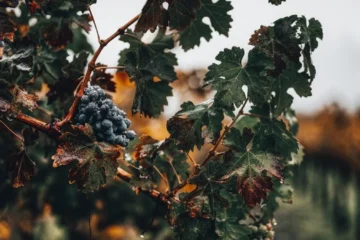
Terroir encompasses the geography, climate, and soil unique to a vineyard, significantly influencing the wine’s character. This localized essence can mean that two wines made from the same grape varietal can taste entirely different, depending on their origin.
Grape Varietals
Your choice of grape varietals plays a pivotal role in wine quality. Different grape varieties exhibit distinct flavor profiles and characteristics that affect overall quality. For instance, Cabernet Sauvignon typically leads to full-bodied wines with rich tannins, while Pinot Noir offers lighter, more delicate flavors. Selecting wines made from reputable varietals often ensures a higher standard, which you can appreciate in the glass.
The Role of Winemaking Techniques
Your choice of winemaking techniques can significantly influence the final quality of the wine. Techniques such as the management of grape health, fermentation processes, and aging methods play vital roles in defining the character and complexity of the wine. A skilled winemaker harnesses these processes to enhance aromas, flavors, and mouthfeel, ensuring that each bottle reflects the distinctive terroir and varietal traits of the grapes used.
Fermentation and Aging
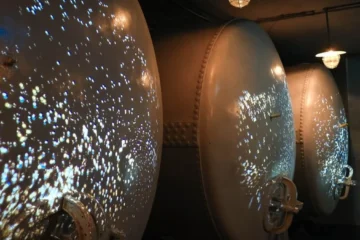
Fermentation is a transformative phase where yeast converts sugars into alcohol, shaping the wine’s foundational profile. The choice between stainless steel and oak barrels can drastically influence the flavors; stainless steel tends to preserve fruitiness, while oak can impart notes of vanilla and spice. Aging further refines flavors, allowing the wine to develop complexity and balance over time.
Clarification and Filtration
Clarification and filtration are vital steps in producing crystal-clear wines by removing solids and impurities. Techniques range from natural settling to the use of fining agents and filtration methods, each affecting the wine’s texture and clarity. Striking the right balance ensures that your wine retains its character without unwanted particles.
Clarification and filtration not only enhance the visual appeal of your wine but also impact its overall quality. Techniques like cold stabilization prevent tartrate crystals from forming, while fining agents such as egg whites or bentonite remove proteins that could lead to cloudiness. The choice of methods depends on the desired outcome; for example, some winemakers opt for minimal intervention to retain the wine’s authenticity, while others prioritize aesthetic perfection. Ultimately, these processes are vital for achieving the clean, polished result that defines high-quality wine. Your exploration of a bottle can also be enriched by understanding how these choices reflect the winemaker’s philosophy and commitment to quality.
Evaluating Wine Aroma and Flavor
Your evaluation of wine begins with its aroma and flavor. A high-quality wine will present a complex bouquet, inviting you to explore its layers. Pay attention to the intensity and variety of aromas, which can signal the wine’s origin and grape variety. Don’t hesitate to follow Finding the Perfect Bottle of Red Wine for more insights on this topic.
The Aroma Wheel
The Aroma Wheel is a valuable tool for identifying and categorizing the aromas in wine. This visual guide breaks down scents into distinct categories, from fruity and floral to earthy and spicy. As you swirl your glass, try to pinpoint the various elements. This not only enhances your tasting experience but also sharpens your overall wine evaluation skills.
Flavor Profiles and Tasting Notes
Flavor profiles give you a roadmap for understanding the essence of a wine. Pay attention to the primary flavors, such as berry, citrus, or oak, and consider how they evolve on your palate. Tasting notes also highlight acidity, tannins, and sweetness, which contribute to the overall balance of the wine. A well-rounded wine will seamlessly blend these characteristics, creating a memorable experience.
As you investigate deeper into flavor profiles, consider the impact of factors like region and winemaking techniques. A Chardonnay from a cooler climate might exhibit bright citrus flavors, while one from a warmer region could lean towards tropical notes. Tasting notes from reputable sources can guide you in distinguishing these nuances, aiding you in selecting wines that align with your preferences and enhancing your enjoyment of high-quality selections.
Identifying Ratings and Reviews
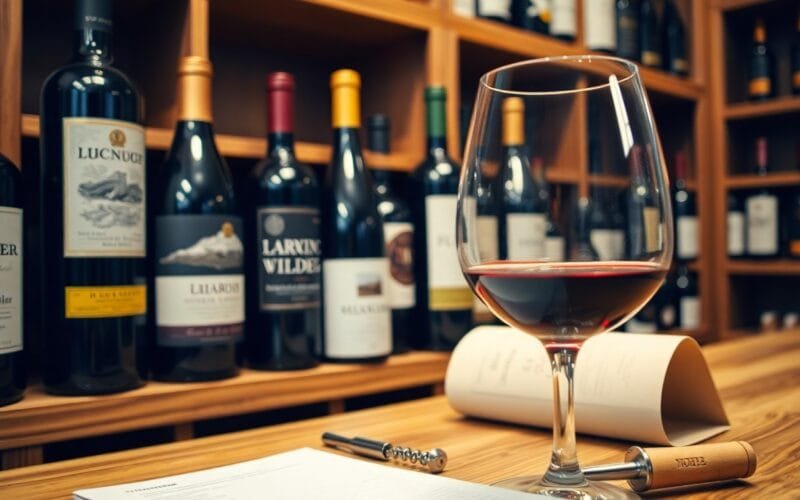
To navigate the world of wine effectively, understanding ratings and reviews is necessary. These scores and opinions provide valuable insights into a wine’s quality, helping you make informed choices. Many wines receive ratings from established critics or competitions, often reflected on the bottle, while online platforms offer user-generated reviews. Learning to interpret these can enhance your wine selection process, guiding you toward noteworthy bottles.
Wine Ratings Explained
Wine ratings typically use a numerical scale, most commonly 100 points, to evaluate quality. For instance, wines scoring 90+ are generally considered excellent, while those in the 80s still represent very good options. This system enables quick comparisons among different bottles and helps you gauge a wine’s prestige and potential enjoyment.
Trusted Sources for Wine Reviews
When searching for reliable wine reviews, turn to established critics, publications, and websites such as Wine Spectator, Wine Enthusiast, and Robert Parker’s Wine Advocate. These sources are known for their expertise and rigorous review processes, ensuring their ratings reflect a wine’s true quality.
Established sources often employ trained tasters who evaluate wines blind, eliminating biases. For instance, Wine Spectator publishes detailed tasting notes alongside ratings, highlighting aspects like aroma, flavor, and overall balance. Wine Enthusiast combines expert reviews with consumer feedback, making their ratings accessible while still grounded in expert insight. Relying on these trusted platforms enhances your ability to select high-quality wines that cater to your specific tastes and preferences.
Wine Storage and Serving Conditions
Optimal storage and serving conditions are vital for preserving wine quality and enhancing your tasting experience. Factors such as temperature, humidity, and light exposure all play significant roles. Adhering to specific guidelines will ensure that your wines are not only enjoyed at their best but also maintained for longevity.
Ideal Storage Practices
Store your wine in a cool, dark place with a consistent temperature between 45°F to 65°F (7°C to 18°C) and a humidity level of around 70%. Avoid areas with strong vibrations and direct sunlight, which can degrade wine quality. Invest in a dedicated wine fridge or cellar for optimal results.
Proper Serving Temperatures
Serving wine at the right temperature enhances its flavors and aromas. Generally, white wines are best served chilled at 45°F to 50°F (7°C to 10°C), while red wines are optimal at 55°F to 65°F (13°C to 18°C). Sparkling wines should be served at about 40°F to 45°F (4°C to 7°C).
| White Wines | 45°F to 50°F (7°C to 10°C) |
| Red Wines | 55°F to 65°F (13°C to 18°C) |
| Sparkling Wines | 40°F to 45°F (4°C to 7°C) |
Serving temperatures are not just preferences; they are critical for revealing the full character of the wine. If a white wine is served too warm, it could taste overly sweet or flabby. Conversely, a red served too cold can mask its complexity and flavor profile. By adhering to the recommended temperatures, you’ll unlock the wine’s true potential, allowing you and your guests to experience every nuance and layer of flavor.
| Too Cold | Mask flavors and aromas |
| Too Warm | Highlight alcohol and sweetness |
Final Words
Ultimately, when selecting high-quality wine, you should focus on factors such as the wine’s aroma, balance, and finish. Explore different varietals and regions to understand your preferences better. Pay attention to the craftsmanship behind each bottle, including the winemaking process and aging methods. By honing your ability to assess these elements, you can enhance your wine experience and make informed choices for your collection or gatherings.