Just as every great cup of coffee starts with quality beans, your brewing process can greatly benefit from the 15-15-15 rule. In this comprehensive guide, you will discover how this simple framework-15 grams of coffee, 15 days of freshness, and 15 ounces of water-can transform your daily coffee ritual. By understanding and applying these principles, you’ll enhance the flavor and quality of your brews, ensuring that each cup is not only enjoyable but also consistent. Dive into the details and elevate your coffee experience.
Understanding the 15-15-15 Coffee Rule
The 15-15-15 Coffee Rule is a brewmaster’s approach that outlines the optimal ratio of time, temperature, and taste, ensuring your coffee achieves the best flavor profile. By adhering to this rule, you can significantly enhance your brewing process, leading to richer and more satisfying coffee experiences each time. Understanding its components allows you to refine your skills and consistently brew coffee that meets your personal standards.
Definition and Importance
This rule encompasses brewing coffee for 15 minutes, using water at a temperature of 15 degrees Celsius (59 degrees Fahrenheit), resulting in flavor extraction that is well-balanced and enjoyable. The importance lies in finding that sweet spot where these elements converge, allowing you to explore and appreciate the complexities of your coffee beans more deeply.
Key Components: Time, Temperature, and Taste
Time, temperature, and taste are fundamental to the 15-15-15 rule. Time refers to the duration of brewing; a consistent 15-minute extraction enhances flavor development. Temperature, kept at 15°C, safeguards against over-extraction, ensuring a balanced profile. Finally, taste integrates these factors, helping you achieve a brew that reflects the character of your beans. Balancing these elements results in a delicious cup that resonates with your preferences.
Key Components Breakdown
| Component | Details |
|---|---|
| Time | 15 minutes for optimal extraction. |
| Temperature | Maintain at 15°C for ideal brewing. |
| Taste | Refined through the first two components. |
Incorporating precision with each component heightens your coffee brewing experience. A short brew time locks in the vibrancy of the coffee’s flavors, while temperature management plays a vital role in avoiding bitterness. Each sip becomes a reflection of the care taken in brewing, delivering a cup that delights your palate and invites you to explore further ways to enhance your coffee rituals.
Component Insights
| Aspect | Impact |
|---|---|
| Brew Time | Affects flavor depth; longer may overpower delicate notes. |
| Water Temperature | Influences extraction speed; too hot extracts bitterness. |
| Taste Profile | Created by balancing the first two elements; unique to each brew. |
Types of Coffee Brewing Methods
Coffee brewing methods vary widely, impacting flavor, strength, and overall experience. Understanding these methods allows you to choose what best suits your taste. Here’s a brief overview of some popular techniques:
This method of brewing is key to achieving the perfect cup. For more details, check out The Ultimate Guide to Coffee Grind Size: Why It Matters ….
| Brewing Method | Description |
| Espresso | Strong, concentrated coffee brewed by forcing hot water through coffee grounds. |
| Pour-over | Manual method where hot water is poured over coffee grounds in a filter. |
| French Press | Full-bodied coffee made by steeping grounds in hot water before pressing. |
| Aeropress | Quick brewing with a unique pressure system for a rich flavor. |
| Cold Brew | Slow extraction using cold water, creating a smooth, less acidic coffee. |
Espresso
Espresso is the foundation of many coffee drinks, delivering a rich, bold flavor in a small volume. Using finely ground coffee, hot water is forced through the grounds under pressure, resulting in a concentrated shot that serves as the base for lattes, cappuccinos, and more.
Pour-over
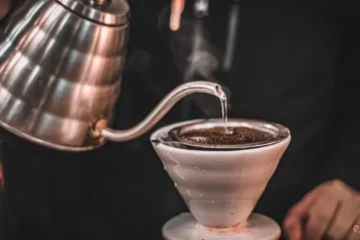
Pour-over brewing allows you to control the water flow and extraction time, enhancing the flavors in your coffee. You can achieve a delicate and balanced cup by pouring hot water over coffee grounds in a filter, allowing the aroma to develop fully. Precision and technique are vital, and experimenting with grind size and water temperature can elevate your brew to new heights.
For a deeper dive, consider how water temperature and pouring technique affect extraction in pour-over brewing. A steady, circular pour ensures even saturation, while varying your grind size can shift the flavor profile. This method highlights the subtleties of different coffee beans, making it ideal for those who appreciate the nuances in flavor.
Tips for Implementing the 15-15-15 Coffee Rule
Implementing the 15-15-15 Coffee Rule can elevate your brewing experience significantly. Start by measuring accurately, using a kitchen scale for precision to ensure the correct coffee-to-water ratio. Pay attention to extraction times, as they directly influence the flavor profile of your brew. Experiment with different beans to find those that resonate best with your palate. Keep track of your results and adjust variables accordingly for optimization. Knowing these tips will help you refine your brewing method and enjoy a perfect cup every time.
- Use a scale for precise measurements.
- Monitor extraction times carefully.
- Experiment with different beans.
- Record adjustments for future reference.
Adjusting Your Grind Size
Your grind size directly affects extraction, with finer grinds increasing solubility and coarser grinds slowing it down. If your brew feels bitter, switch to a coarser grind; conversely, a finer grind may be necessary if the taste is weak. Aim for a medium grind for most methods, adjusting gradually as needed based on brewing time and taste preferences.
Choosing the Right Water Temperature
The ideal water temperature for brewing coffee typically ranges from 195°F to 205°F (90°C to 96°C). Water that is too hot can extract undesirable flavors, while cooler water may lead to under-extraction. Use a thermometer to ensure your water falls within this range for optimal results.
Water Temperature Guidance
| Temperature Range | Effect on Brew |
| Below 195°F | Under-extraction, sour flavors |
| 195°F – 205°F | Ideal extraction balance |
| Above 205°F | Over-extraction, bitter notes |
Water temperature is vital for achieving the right flavor balance in your coffee. Brewing at temperatures lower than 195°F often leads to a sour taste due to insufficient extraction of oils and flavors. Conversely, temperatures above 205°F can extract too many bitter compounds, ruining your coffee’s flavor profile. Always target that sweet spot between 195°F and 205°F to unlock the best flavors from your coffee beans.
More on Water Temperature
| Temperature | Recommended Brewing Method |
| 195°F | Pour-over |
| 200°F | French press |
| 205°F | Espresso |
Step-by-Step Guide to Brewing Coffee with the Rule
To effectively apply the 15-15-15 Coffee Rule, follow these steps for a balanced brew. Begin by selecting quality coffee and fresh water, maintaining a consistent temperature of around 195°F to 205°F. Use precise measurements, ensuring you hit a 15:1 water-to-coffee ratio. For an in-depth exploration, check out What is the 15 Rule for Coffee?. This method ensures you achieve the maximum flavor extraction.
Measuring Coffee and Water
Measuring Coffee and Water
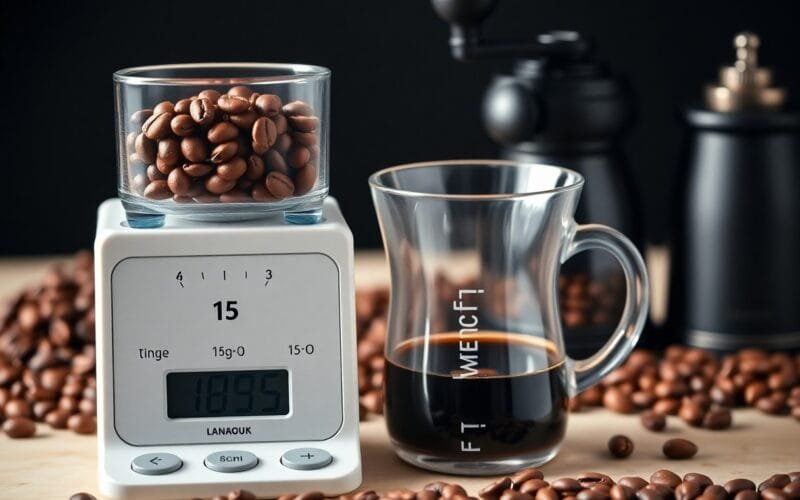
Getting the right measurements is vital for optimal flavor. Use 15 grams of coffee for every 225 grams of water to maintain the ideal 15:1 ratio. Ensure your scale is accurate; even slight variations can significantly alter your brew’s taste.
Brewing Process Explained
The brewing process involves a few key steps: start by heating the water to the optimal temperature, then add your ground coffee. Pour the water evenly over the coffee grounds, allowing them to bloom for about 30 seconds before adding the remaining water. This method promotes even extraction, enhancing the coffee’s overall flavor profile.
To refine your brewing process, consider factors such as grind size and pour rate. For example, if you use a coarser grind, extending the brew time slightly might be beneficial. The 15-15-15 Coffee Rule not only emphasizes time but also encourages you to experiment with water temperature and coffee variety for a personalized brew that showcases your unique taste preferences.
Factors Affecting Your Brew
Your brewing process is influenced by several key factors, each of which can significantly impact the flavor and quality of your coffee. Understanding these elements allows you to fine-tune your technique for a better cup. Key factors include:
- Water quality and temperature
- Coffee grind size
- Brew time
- Coffee-to-water ratio
- Bean freshness
Recognizing the interplay between these factors is crucial for perfecting your brew. For more details, you can check out Making the Perfect Cup of Coffee at Home: Tips from ….
Coffee Bean Variety
The type of coffee bean you choose plays a substantial role in the final flavor profile of your brew. Arabica beans tend to offer a sweeter, more complex taste, while Robusta beans provide a stronger, more bitter profile with higher caffeine content. Experimenting with various blends can help you discover the unique flavors that resonate with your palate.
Equipment Differences
Your brewing equipment drastically affects the extraction process, impacting flavor and strength. French presses yield a rich, full-bodied cup, while pour-over methods offer a cleaner, more delicate profile. Espresso machines generate high pressure, producing concentrated shots that bring out distinct flavors in beans. Each device brings unique advantages that can enhance your coffee experience.
For instance, if you prefer a lighter, more nuanced cup, using a pour-over or AeroPress might be ideal. These methods allow for greater control over brew time and water temperature, ensuring optimal extraction. On the other hand, a drip coffee maker can be convenient for larger batches, though it might lack some of the flavor intricacies that manual methods provide. Ultimately, the choice of equipment should align with your desired coffee style and the flavors you wish to highlight.
Pros and Cons of the 15-15-15 Coffee Rule
| Pros | Cons |
|---|---|
| Enhances flavor consistency. | May not suit all coffee types. |
| Simplifies brewing process. | Requires precise measurement. |
| Improves coffee-to-water ratio. | Can be time-consuming. |
| Encourages experimentation. | May limit personal preferences. |
| Boosts brewing confidence. | Unlikely to work in all environments. |
Advantages of Consistency in Brewing
Following the 15-15-15 coffee rule ensures your brewing method remains consistent, leading to predictable flavor profiles. This reliability allows you to replicate successful brews, making it easier to experiment with different beans while maintaining quality. Ultimately, you’ll develop a deeper understanding of how variations in factors such as grind size and water temperature affect your coffee.
Potential Limitations and Challenges
While the 15-15-15 rule offers a structured approach to brewing, it may not accommodate varying coffee origins or personal tastes, potentially limiting your enjoyment. Precision in measurement can also be a barrier for casual brewers who might not own a scale. You may find that specific brewing methods or equipment challenge the feasibility of adhering to this rule consistently, which could lead to frustration instead of enhanced coffee experiences.
Potential limitations present several challenges for your brewing routine. You might encounter differences in bean characteristics that require adjustments beyond the rule’s parameters. For instance, lighter roast varieties may benefit from a longer extraction time, and strict adherence could yield under-extracted or overly bitter coffee. Additionally, at times, the effort involved in measuring and timing may detract from the simplicity of brewing, particularly for those who appreciate a more intuitive approach.
To wrap up
As a reminder, applying the 15-15-15 coffee rule can significantly enhance your brewing experience. By focusing on the right coffee-to-water ratio, brew time, and water temperature, you can achieve a consistently flavorful cup. This method allows you to fine-tune your brewing process to suit your taste preferences. Embrace this guide as a valuable resource, and enjoy the improved coffee that results from your efforts. With practice and attention to these principles, your daily brew will transform into an exceptional ritual.
FAQ
Q: What is the 15-15-15 Coffee Rule?
A: The 15-15-15 Coffee Rule is a guideline for coffee brewing that suggests using 15 grams of coffee, 15 ounces of water, and a brewing time of 15 minutes to achieve optimal flavor extraction.
Q: How can I adjust the 15-15-15 Coffee Rule for different brew methods?
A: Different brewing methods may require adjustments. For methods like espresso or AeroPress, use a finer grind and a shorter brew time, while for French press, consider a coarser grind and a longer steeping time, while still aiming for the same ratios.
Q: Are there variations in the 15-15-15 ratio for different coffee types?
A: Yes, variations can occur depending on the type and roast of coffee used. Lighter roasts may benefit from slightly more coffee, whereas darker roasts can be adjusted for less coffee to balance the flavors while adhering to the water and time recommendations.