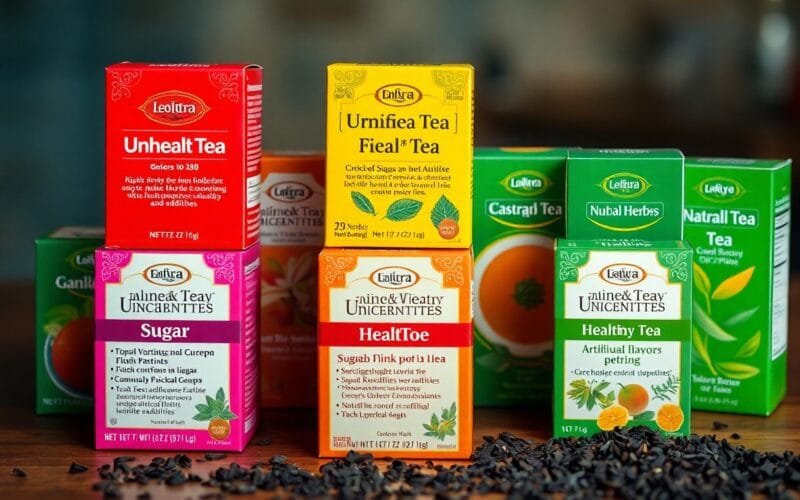
You may not realize that some popular teas can pose health risks to you. From excessive caffeine to chemical additives, certain teas may not be as harmless as they seem. Understanding the dangers associated with your favorite brews is imperative for making informed choices. For further insights, check out The Truth About Tea and Who Should Never Drink It, and discover healthier alternatives that align with your wellness goals.
Common Unhealthy Ingredients in Teas
When choosing your tea, be aware of certain ingredients that can undermine your health. Ingredients such as artificial flavorings and excessive amounts of sugar or sweeteners can negatively impact your well-being, even in beverages that seem innocuous. Understanding what to avoid is crucial for making better choices that align with a healthier lifestyle.
Artificial Flavorings
Many teas use artificial flavorings to enhance taste, which can be misleading. These synthetic additives often contain chemicals like diacetyl or ethyl acetate, potentially causing allergic reactions or long-term health issues. Opting for teas flavored with natural ingredients ensures you benefit from authentic flavor without compromising your health.
Excessive Sugar and Sweeteners
Sugar-laden teas offer a tempting sweetness but can lead to serious health consequences, such as weight gain and increased risk of diabetes. Some popular bottled teas contain up to 30 grams of sugar per serving, equating to nearly eight teaspoons. This excessive intake may not only sabotage your dietary goals but also negatively impact your energy levels and mood.
Potential Health Risks of Unhealthy Teas
Unhealthy teas often harbor hidden dangers, from excessive caffeine levels to harmful additives. Regular consumption can lead to various health issues, such as digestive problems, elevated stress levels, and even serious conditions linked to contaminants. To navigate this minefield, consult resources like Best Tea Brands without Plastic Teabags & Other Toxins! to find safer alternatives.
Caffeine Overload
Caffeine levels in certain teas can drastically exceed recommended daily limits, leading to jitters, anxiety, and sleep disturbances. It’s important to monitor your intake, especially when choosing teas marketed as energizing. Some brands may contain higher caffeine than regular coffee, making it vital to read labels carefully.
Contaminants and Additives
Many teas, especially lower-quality brands, may contain harmful additives and contaminants. These can include pesticides, heavy metals, and artificial flavorings that can pose health risks over time. Opting for organic and higher-quality tea brands ensures you’re reducing potential exposure to these harmful substances.
Research indicates that certain brands of tea can accumulate harmful levels of lead and other heavy metals from soil contamination. Furthermore, artificial additives may not only compromise the tea’s flavor but could also be linked to various health issues, including allergic reactions and long-term toxicity. Prioritizing organic or certified brands helps to mitigate these risks and supports better overall health.
Identifying Unhealthy Tea Brands
Your choice of tea can significantly affect your health, particularly when selecting brands with dubious practices. Many unhealthy tea brands mask low-quality ingredients and additives under appealing packaging. Look for brands that are transparent about their sourcing, processing methods, and ingredient lists to ensure you’re making a safer choice.
Reading Labels and Ingredients
Understanding what’s in your tea starts with reading the labels carefully. You should scrutinize the ingredient list for artificial flavors, sweeteners, or any unfamiliar substances that may indicate lower quality. Always prioritize organic teas that disclose their ingredients clearly, as these are more likely to use safe, natural components.
Understanding Certifications
Certifications can guide your selection of healthier tea options. Labels like USDA Organic, Non-GMO Project Verified, or Fair Trade indicate adherence to specific standards. These certifications often reflect a commitment to quality and safety, ensuring that the tea you consume is free from harmful pesticides and produced under ethical conditions.
Tea brands that possess notable certifications often undergo rigorous evaluation and testing. For example, USDA Organic certification requires products to demonstrate they are made from ingredients grown without synthetic pesticides and fertilizers. Additionally, Fair Trade certification signifies that producers receive fair compensation and work under safe conditions. This not only enhances the chance of healthier ingredients but also supports sustainable practices in the tea industry, making your choice even more impactful.
Healthier Tea Alternatives
Choosing healthier tea options can greatly enhance your well-being while still allowing you to enjoy flavorful beverages. Opt for teas that are naturally free from additives, pesticides, and other harmful substances. Delicious alternatives abound, providing not just flavor but also potential health benefits, fueling your body with antioxidants and crucial nutrients. These alternatives can be both refreshing and nourishing, making it easier for you to maintain a balanced diet.
Herbal Teas
Herbal teas offer a diverse range of flavors and health benefits, often without the caffeine found in traditional teas. Varieties like chamomile, peppermint, and rooibos can promote relaxation, aid digestion, and provide antioxidants. You can easily incorporate these into your routine for a soothing and healthful beverage option.
Organic and Natural Choices
Opting for organic and natural teas ensures you avoid harmful chemicals and pesticides often found in conventional tea brands. Organic teas are grown without synthetic fertilizers or genetically modified organisms, preserving their natural flavor and health benefits. These teas not only support a healthier lifestyle but also contribute to sustainable agricultural practices.
Organic and natural teas vary widely, from smooth green teas rich in vitamins to bold black teas containing beneficial polyphenols. When choosing these options, look for certifications like USDA Organic or Non-GMO Project Verified to guarantee purity. Brands such as Rishi and Numy offer a range of organic choices that deliver robust flavor without compromising your health. By choosing these teas, you’re supporting your well-being and making environmentally conscious decisions.
The Role of Tea in a Balanced Diet
Incorporating tea into your balanced diet can provide numerous benefits, enhancing hydration while adding unique flavors and nutrients. Different tea varieties offer distinct health advantages, from supporting metabolism to promoting relaxation. By carefully selecting your teas, you can enjoy a wide range of flavors and health perks while complementing your overall dietary choices.
Antioxidant Benefits
Many teas are rich in antioxidants, such as catechins and flavonoids, which help combat oxidative stress in your body. This can lead to reduced inflammation and a lower risk of chronic diseases. Green tea, in particular, stands out for its high antioxidant content, making it a strong ally in promoting heart health and aiding in weight management.
Moderation and Consumption
Moderation is key when it comes to tea consumption. While teas can provide health benefits, excessive intake, especially of caffeinated options, may lead to side effects such as insomnia and increased heart rate. Aim to enjoy no more than 3-4 cups of tea daily to reap benefits without potential drawbacks.
The balance of tea consumption is important for maintaining optimal health. Consuming various teas, such as herbal, green, and black, in moderation allows you to maximize benefits while minimizing risks. By being mindful of caffeine intake and considering any individual sensitivities or health conditions, you can make informed choices that enhance your diet.
To wrap up
Hence, being aware of the unhealthiest teas and their associated dangers empowers you to make informed choices for your well-being. By avoiding certain additives and ingredients, you can better protect your health. Opting for natural and organic options not only enhances your tea experience but also contributes positively to your overall wellness. It’s important to prioritize your health and select teas that support your lifestyle, ensuring that every cup you drink is a nourishing choice.
FAQ
Q: What are some of the unhealthiest types of teas to avoid?
A: Some unhealthiest teas include those high in sugar, artificial additives, or unhealthy levels of caffeine. Example categories are sweetened bottled teas, certain flavored teas with added syrups, and energy teas that contain excessive caffeine and artificial ingredients.
Q: What health risks are associated with drinking certain teas?
A: Drinking certain unhealthiest teas can lead to several health issues, including increased risk of obesity from high sugar content, anxiety or insomnia due to excessive caffeine, and potential exposure to harmful chemicals from low-quality tea leaves or improper processing.
Q: What are better tea options for health-conscious consumers?
A: Health-conscious consumers should opt for herbal teas, green tea, or organic black tea without added sugars or artificial ingredients. Incorporating teas with natural antioxidants and health benefits, such as chamomile or matcha, can offer a healthier alternative.