
⏱ 2 min read
The Short Version
Chicagoans are waiting three hours for $8.50 lattes, signaling that the city’s matcha craze has evolved from a social media trend into a high-demand staple. From West Town to the South Loop, specialized shops are scaling rapidly to meet an insatiable appetite for ceremonial-grade tea.
Natalia Perez waited three hours for a single drink outside Mikami Izakaya in the South Loop. She eventually walked away with three $8.50 beverages—including a coconut cream “From the Moon” latte—after co-owners Vicky Mei and Nichkamon Kedphan were forced to stay open two hours past their scheduled closing time just to manage the crowd. While their seasonal pop-up, Nichi Matcha, has ended its four-month run, the sheer scale of the demand signals that the city’s interest in Japanese green tea is far from a passing fad.
Our mission is to let the world know that matcha is here to stay.
From social media hype to retail staples
The surge in popularity is fueled by both digital discovery and a growing appetite for high-quality ceremonial grade tea. Match-A, which opened its first West Town location in April before expanding to the Loop in October, exemplifies this momentum. On weekends, the West Town shop moves more than 1,500 cups per day. Our mission is to let the world know that matcha is here to stay. The brand’s expertise is personal: co-owner Chanisa Pinid lived in Japan for eight years, and partners Mutita Kaewkerd and Sarawut Mahnokhueng have known her since childhood. Driven by the quality they tasted abroad, the team now sources powder directly from Japanese farmers to serve signature drinks like the Sea Salt Matcha Double Cream.
This specialized market is diversifying across Chicago’s neighborhoods. Established players like Gathers Tea Bar in Little Italy are being joined by newer entries like Matcha Theory in Lincoln Square, Cafe Mako in Lincoln Park, and Yu-Yu’s ceremonial bar at the Shops at North Bridge. Even those who began in the farmers market circuit, such as Noble Fat, have transitioned into permanent cafe spaces to keep up with consistent demand.
The shift toward ceremonial quality
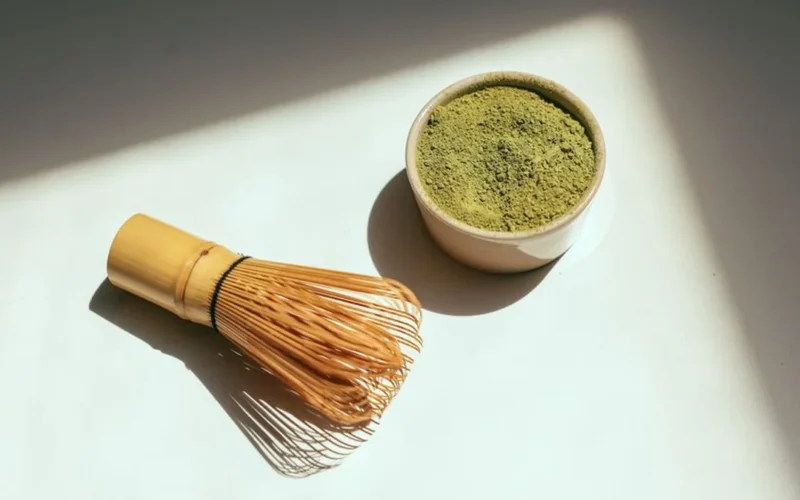
Much of this growth stems from a desire for authenticity over mere trendiness. For Nichi Matcha founders Mei and Kedphan, the goal was to introduce Chicagoans to the specific profile of hand-whisked, ceremonial-grade tea, which utilizes young leaves for a superior flavor. This distinction matters as the global supply remains under pressure; reports indicate that Japanese producers continue to face challenges meeting the rising international demand that has led to periodic shortages.
From ube purees to pumpkin spice lattes, these operators are turning matcha into a versatile, high-demand staple. As new dedicated shops emerge, consumers are moving past simple curiosity toward a genuine interest in how the tea is sourced and prepared.
Are you looking for a traditional whisked experience or a modern latte twist?
Questions & Answers
Why is there a growing demand for ceremonial grade matcha in Chicago?
The rising demand for ceremonial grade matcha is driven by a consumer desire for authenticity and superior flavor profiles over mere social media trends. Unlike lower grades, ceremonial grade tea utilizes young leaves that are hand-whisked to create a high-quality experience. This shift toward specialized tea is evident as Chicagoans move past simple curiosity to focus on how tea is sourced and prepared, seeking the specific taste profiles found in traditional Japanese tea preparations.
What are some popular matcha shops currently operating in Chicago?
Several specialized matcha establishments are expanding across various Chicago neighborhoods to meet local demand. Match-A operates locations in West Town and the Loop, while Gathers Tea Bar serves the Little Italy area. Other notable entries include Matcha Theory in Lincoln Square, Cafe Mako in Lincoln Park, and Yu-Yu’s ceremonial bar at the Shops at North Bridge. Even businesses like Noble Fat have transitioned from farmers markets into permanent cafe spaces to keep up with the city's matcha obsession.
How does Match-A source its matcha powder for its signature drinks?
Match-A sources its matcha powder directly from Japanese farmers to ensure high quality for its customers. This direct sourcing method allows the team to provide authentic flavors for signature beverages like the Sea Salt Matcha Double Cream. The brand's commitment to quality is rooted in the personal experiences of co-owner Chanisa Pinid, who lived in Japan for eight years and wanted to bring the high standards of Japanese tea to the Chicago market.
What challenges are Japanese matcha producers currently facing?
Japanese matcha producers are facing significant challenges in meeting the rising international demand for high-quality green tea. This surge in global interest has put pressure on the supply chain, leading to reports of periodic shortages of the product. As consumers in cities like Chicago move toward specialized ceremonial grade tea, the competition for these premium young leaves continues to intensify, making consistent global supply a growing concern for the industry.
Originally reported by Block Club Chicago.