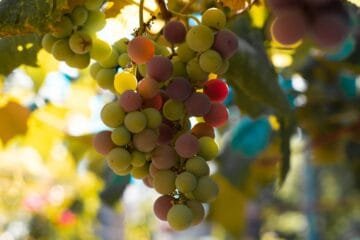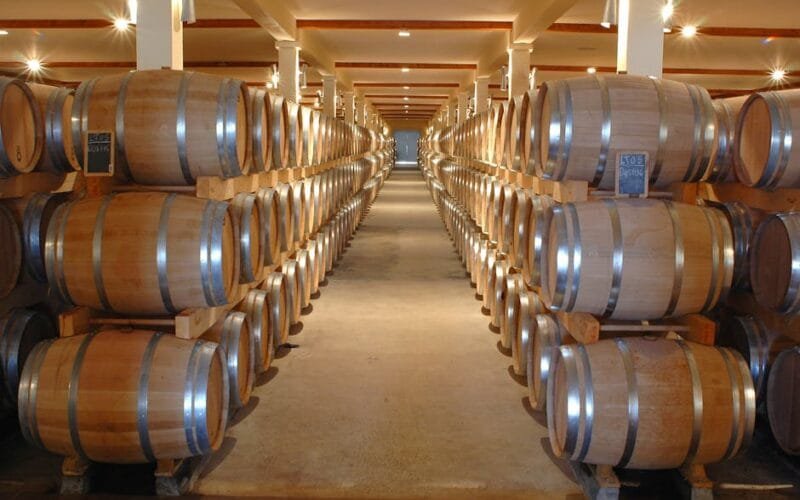
This is worth savoring: The natural wine movement isn’t just a trend—it’s a quiet revolution. As 2026 unfolds, the term “natural” has evolved from a niche label to a cultural touchstone, redefining what it means to drink wine. But does the word itself carry too much weight? Or is it a gateway to something deeper? At its core, natural wine is about restraint—a philosophy that rejects over-extraction, synthetic additives, and rigid control. Instead, it embraces the chaos of nature, letting terroir, yeast, and human intuition shape the final product.
The appeal lies in the paradox: natural wines are both unpredictable and deeply rooted. Winemakers like those in France’s Loire Valley or Italy’s Friuli region prioritize biodynamic practices, treating vineyards as living ecosystems. This means no pesticides, no artificial yeast, and a willingness to let the grapes speak for themselves. The result? Wines that feel alive—sometimes rustic, sometimes wild, but always honest. For consumers, this authenticity is a rebellion against the polished, homogenized bottles that dominate shelves.
Yet the journey isn’t without friction. Natural wines often arrive with sediment, volatile acidity, or a nose that defies description. These flaws are not mistakes but markers of a process that values transparency over perfection. Critics argue this approach risks inconsistency, but purists insist it’s the only way forward. The movement’s strength lies in its refusal to compromise, even as it navigates the tension between artistry and accessibility.
Natural wines are less about perfection and more about presence—each bottle is a snapshot of a place, time, and the hands that shaped it. They demand patience, curiosity, and a willingness to embrace the unknown. As the industry grapples with sustainability and consumer expectations, natural wine stands as a bold reminder that sometimes, less is more.
What does natural wine mean to you.
What does natural wine mean to you? Share your thoughts below.
Questions & Answers
What defines natural wine in 2026?
Natural wine uses minimal intervention, no added sulfites, and organic grapes. It’s made by small producers focusing on terroir and tradition.
Is natural wine popular in 2026?
Yes, natural wine is gaining popularity due to its purity and sustainability. More consumers seek authentic, low-intervention options.
Information sourced from industry reports and news outlets.