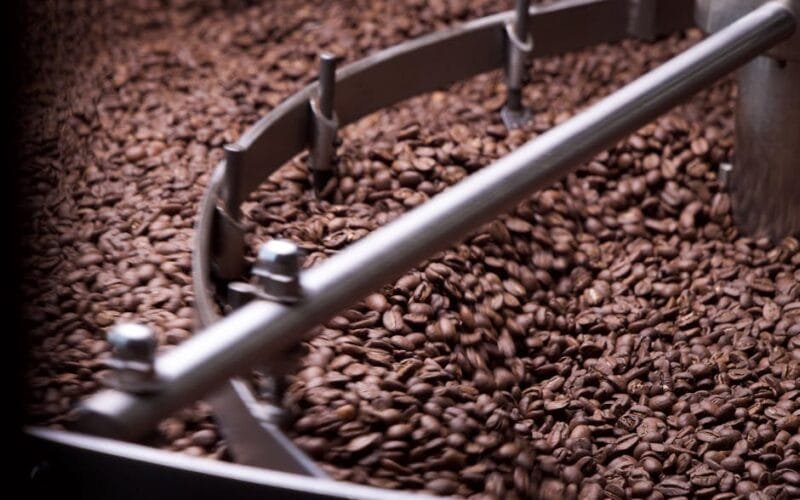
Pour yourself a cup for this one: The coffee world is undergoing a seismic shift. Over the past decade, the number of roasters—small, medium, and large—has surged, driven by a global hunger for higher-quality beans. This isn’t just a trend; it’s a movement. Eastern Europe, once a coffee outsider, now hosts over 120 specialty roasteries in Romania alone. The Middle East is no stranger to explosive growth, with its branded coffee shop sector surpassing 11,000 outlets. Yet this boom isn’t without its pitfalls. For traders, the rise of roasters has become a double-edged sword.
The paradox is clear: more roasters mean more buyers, but also more competition. Green coffee traders face margin compression as prices climb and logistics costs balloon. “Elevated costs in logistics, financing, and compliance are a reality for all actors,” says Eileen Gordon Laity of the European Coffee Federation. While diversification can help, the pressure to scale is relentless. Roasters, too, are feeling the squeeze. Labor, energy, and input costs have risen sharply, making it harder to grow. New entrants, in particular, struggle with high prices and limited capital.
Consolidation is reshaping the trade landscape. Smaller traders are being absorbed by larger companies, which can build specialty divisions at scale. Nordic Approach’s shift from micro-roastery sourcing to mass operations, followed by Neumann Kaffee Gruppe’s acquisition, is a case in point. This trend reduces supply chain diversity and concentrates market power, raising questions about profit distribution. Yet Eileen offers a counterpoint: larger traders may better navigate regulatory demands like traceability, indirectly supporting smaller roasters.
Direct trade, once a beacon of transparency, is proving more complex than anticipated. While it offers control, it also demands logistical and financial expertise. Producers and roasters alike must manage risks, compliance, and sourcing consistency—challenges many lack the infrastructure to handle.
Consolidation among traders reduces diversity, concentrating market power.
Key Points: The explosion of roasters intensifies competition and squeezes margins across the supply chain. Consolidation among traders reduces diversity, concentrating market power. Direct trade, though appealing, introduces hidden complexities that many players aren’t equipped to manage.
What’s next for the coffee trade? As costs rise and competition heats up, will traders and roasters find new ways to balance innovation with sustainability—or risk being swept away by the tide?
Questions & Answers
How does increased coffee roasters affect coffee prices?
More roasters increase supply, potentially lowering prices. Traders may face competition and lower margins, but also more market opportunities.
Are coffee traders at risk from new roasters?
Yes, new roasters can increase supply, reduce prices, and challenge existing traders. Traders must adapt or risk losing market share.
Information sourced from industry reports and news outlets.