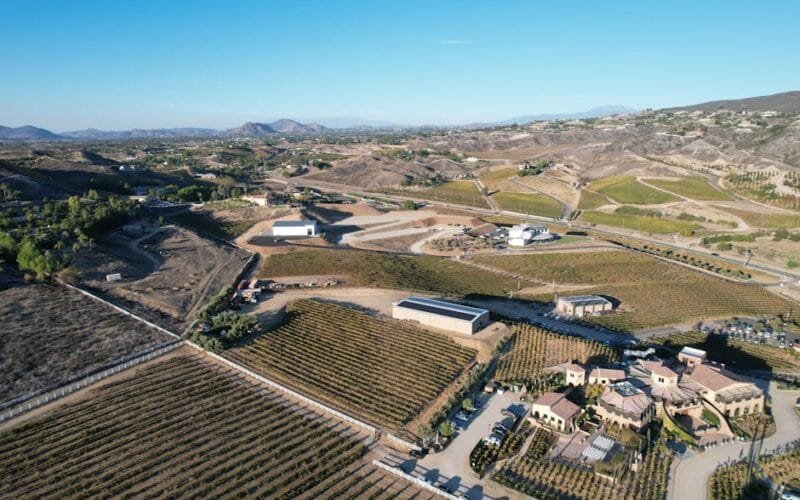
Consider this your morning briefing: California’s wine map is shifting. For decades, Napa and Sonoma dominated the conversation, but a new player is emerging on the edge of the Pacific—San Luis Obispo Coast, or SLO Coast. This region, once overshadowed by its coastal charm and laid-back vibe, is now a breeding ground for avant-garde winemaking. Here, a new generation of growers and winemakers is crafting wines that defy tradition, marrying the ocean’s mineral edge with the terroir’s wild potential.
The SLO Coast isn’t just about geography—it’s a cultural shift. Think of Scar of the Sea, where Mikey and Gina Giugni blend tannic structure with coastal salinity, or Lady of the Sunshine, Gina’s solo project that leans into sun-drenched, savory profiles. These aren’t just wines; they’re statements. Outward, led by Ryan Pace and Natalie Siddique, experiments with whole-cluster fermentation, while Dunites, run by Tyler Eck and Rachel Goffinet, emphasizes terroir-driven purity. Even Phelan Farm, helmed by Rajat Parr—a former sommelier with a résumé that reads like a Hollywood script—has traded high-profile partnerships for the raw, untamed spirit of the SLO Coast.
The region’s appeal lies in its duality: a coastline that cools the climate, yet allows for ripe, expressive fruit. Winemakers here aren’t chasing trends—they’re redefining them. Jaimee Motley, who moved from Napa to the SLO Coast last year, now makes wines that feel both rooted and restless. Her collaboration with husband Nico Cueva, a former Haynes Vineyard winemaker, underscores a collective ethos: innovation without pretension.
The SLO Coast’s rise isn’t accidental. It’s a convergence of talent, terroir, and timing. These winemakers are proving that great wine doesn’t need a pedigree—it needs passion, patience, and a willingness to embrace the unknown.
Emerging winemakers are prioritizing experimentation over convention, blending global techniques with local identity.
Key points: The SLO Coast’s coastal terroir creates wines with unique mineral clarity and savory depth. Emerging winemakers are prioritizing experimentation over convention, blending global techniques with local identity. This region’s future hinges on its ability to balance artistry with accessibility.
Close: If you’ve ever wondered what happens when the Pacific meets the vineyard, the SLO Coast is your answer. But here’s the question: Which of these coastal wines would you trade your old favorites for?
Questions & Answers
What makes the new California wine region unique?
The region blends traditional methods with modern techniques, focusing on sustainability and unique terroir. It produces small-batch, high-quality wines with distinct flavor profiles.
Which areas are part of the new California wine region?
The region includes areas like Paso Robles, Santa Maria Valley, and the Central Coast. These areas offer diverse microclimates ideal for growing a range of grape varieties.
Information sourced from industry reports and news outlets.