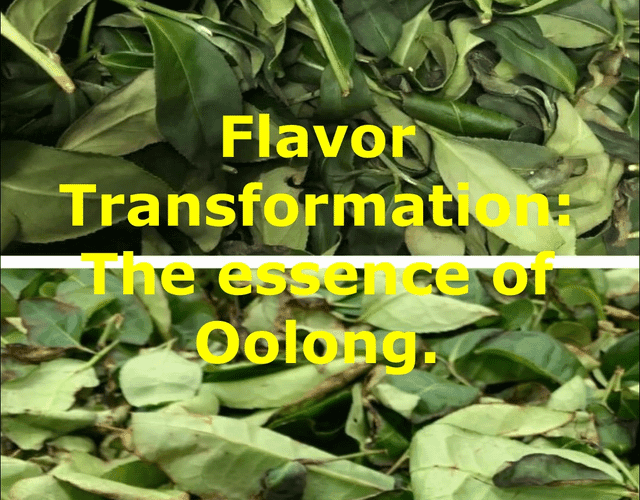
Listen up: Oolong tea isn’t just a drink—it’s a biochemical experiment in motion. The way its flavor evolves from one cup to the next hinges on a single, precise process: oxidation control. By manipulating how long leaves are exposed to air, artisans coax out profiles that range from delicate orchid florals to bold, ripe peach tones. This isn’t magic—it’s science, refined to art.
At the heart of this transformation is hydro management during withering. Temperature, humidity, and flipping frequency aren’t just variables; they’re levers that dictate moisture release and enzyme activity. Imagine the leaf as a living organism: its cells breathe, react, and change. Too much oxidation, and the tea becomes astringent and earthy. Too little, and it’s sweet but lacking depth. The sweet spot? A balance where enzymatic reactions unlock layers of complexity.
This isn’t about style—it’s about precision. Every step, from withering to rolling, is a calculated move. The leaf’s cellular structure breaks down, releasing volatile compounds that define aroma and taste. For example, higher oxidation levels trigger the release of esters that mimic ripe fruit, while lower oxidation preserves green, vegetal notes. It’s a dance between time and temperature, where even a degree’s difference can shift the flavor profile dramatically.
The video I shared earlier breaks this down technically, but the takeaway is simple: oxidation isn’t an afterthought. It’s the backbone of Oolong’s identity. Whether you’re sipping a floral high-grown or a robust, fermented roast, the journey from leaf to cup is a masterclass in controlled chemistry.
Key points: Oxidation depth defines Oolong’s flavor spectrum, hydro management during withering is critical to achieving desired profiles, and the process is a blend of science and artistry.
Key points: Oxidation depth defines Oolong’s flavor spectrum, hydro management during withering is critical to achieving desired profiles, and the process is a blend of science and artistry.
Close: Have you ever noticed how a single Oolong can taste different after a few brews? What’s your favorite way to experience its evolving character?
Questions & Answers
How does oxidation affect Oolong flavor?
Oxidation develops Oolong’s flavor by converting polyphenols into aromatic compounds, enhancing depth and complexity while balancing sweetness and bitterness.
What role does oxidation play in Oolong processing?
Oxidation in Oolong processing shapes its flavor profile by creating unique compounds that define its taste, aroma, and overall character.
Information sourced from industry reports and news outlets.