This

A Sweet Aged Sheng That’s Approachable and Butter-Laden

A Sweet Aged Sheng That’s Approachable and Butter-Laden

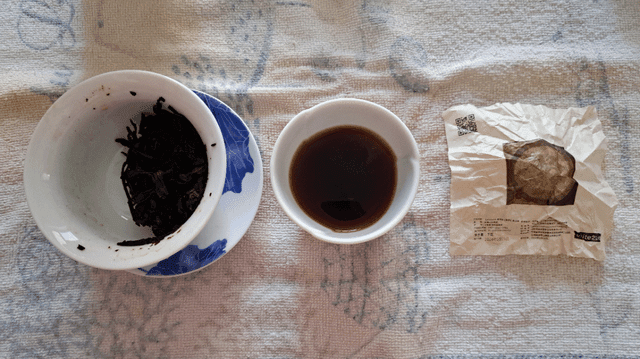
Time to spill: This aged sheng isn’t about complexity—it’s about comfort. Brewed in a duanni pot with water just off boil, the first wash reveals a sweet butter cookie aroma that lingers like a memory. Steep one: light and buttery, with whispers of baked goods and a faint pipe tobacco note. The sweetness evolves, turning into fresh whipped cream, while the buttery character stays intact. Steep two adds a touch of old straw dipped in sugar, caramel, and powdered-sugar donuts, all balanced by a light astringency. By steep three, the profile stabilizes—sweetness and straw blend with turbinado sugar and whipped…
Read More
A First Encounter with Pu’er’s Earthy Charisma

A First Encounter with Pu’er’s Earthy Charisma

There’s a quiet alchemy in the first sip of a well-aged pu’er—raw, unpolished, and full of secrets. This 2024 Caledonia offering arrived as a freebie with a W2T order, a curious gift for someone who’d yet to explore heicha. The tea’s early days were marked by a stubborn pile aroma, that earthy tang of compressed leaves, but by the third steep, it softened into something more refined. It’s a gentle awakening, like the first breath of a storm clearing. The body is medium, with a slickness that clings to the tongue, almost oily in its presence. The wet leaves exude…
Read More
The Musty Mystery of Xiaguan’s 2004 Nanzhao Tuo

The Musty Mystery of Xiaguan’s 2004 Nanzhao Tuo

Pour yourself a cup for this one: The Xiaguan 2004 Nanzhao tuo raw puer is a revelation—or a riddle. This is your first encounter with a traditionally Taiwan-stored sheng pu’er, and it’s doing something strange. No smokiness, no immediate wow factor, just a slow unraveling of flavors that feel more like a mystery than a masterpiece. The tea’s evolution is deliberate, its character shaped by decades in a paper box. The first steep is a whisper of light sweetness, like a bakery note caught in a breeze. It’s clean, almost too clean, but the second steep introduces a musty basement…
Read More
A Vintage Puerh’s Quiet Awakening

A Vintage Puerh’s Quiet Awakening

Let’s talk about the eerie dance between time and terroir. This 2005 Tulin Phoenix Special raw puerh isn’t just a tea—it’s a conversation with its past. The first sip is a jolt of old paper and diesel, a scent that lingers like a half-remembered memory. It’s not unpleasant, but it’s a warning: this tea hasn’t fully shaken off its storage history. The initial steepings are all flash and little substance, like a bookshelf of dusty tomes that only reveal their secrets after hours of patience. By the third steep, things start to shift. The old-paper note softens, giving way to…
Read More
The Rarest White Tea: A First Taste of Silver-needle

The Rarest White Tea: A First Taste of Silver-needle

This is how you taste the rarest white tea—when you sip silver-needle, you’re sipping history. Harvested once or twice a year at dawn from mist-shrouded highlands in China, this tea is a fleeting luxury. Its price reflects not just scarcity but the labor of plucking tender buds by hand, a process that demands precision and patience. The user’s first encounter with it was a revelation: delicate, floral, and refined—a world apart from the familiar white teas they’d sipped before. Silver-needle, or Bai Mu Nian, is more than a name; it’s a testament to tradition. Grown in regions like Fujian or…
Read More
Bordeaux’s New Claret: A Climate-Driven Revival

Bordeaux’s New Claret: A Climate-Driven Revival

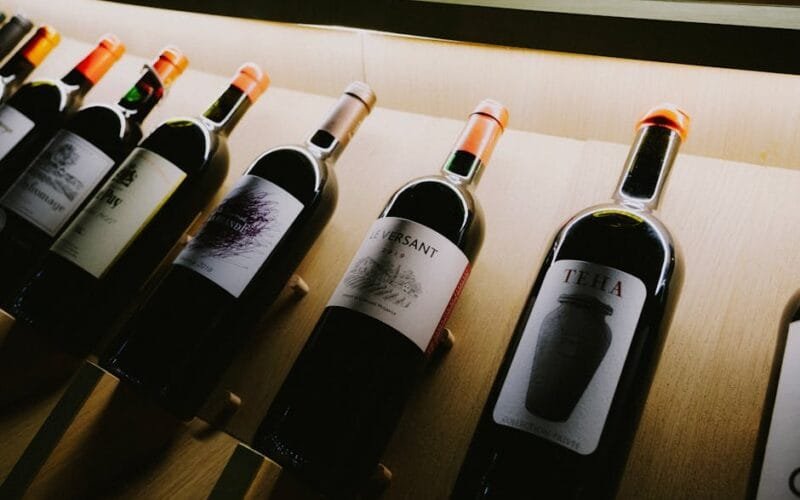
Bordeaux is rewriting its wine story. For centuries, the region defined itself by bold, oak-aged reds—now, it’s pivoting to a lighter, more approachable style with a name rooted in history: claret. This shift isn’t just a trend; it’s a survival strategy. As climate change reshapes vineyards and consumer tastes, Bordeaux’s winemakers are redefining what it means to be “claret,” blending tradition with necessity. The new classification, set to debut in 2’th vintage, marks a deliberate break from the heavy, tannic profiles that once dominated. These wines will be lighter, lower in alcohol, and designed to be enjoyed chilled—between 8 and…
Read More
Stone and Wood Merge in Revolutionary Wine Barrel

Stone and Wood Merge in Revolutionary Wine Barrel

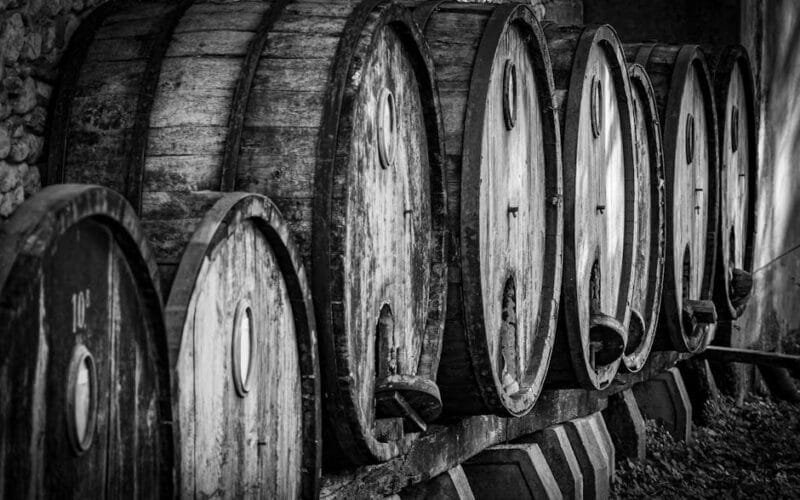
If you’ve ever wondered how to blend the earthy depth of stone with the aromatic finesse of wood, look no further. Manuel Schön, a fourth-generation Austrian cooper, has created the world’s first hybrid wine barrel—part oak, part stone—designed to deliver fresher, more precise wines while retaining the soul of traditional maturation. This isn’t just an experiment in materials; it’s a response to a clear shift in consumer taste and a bold step toward redefining winemaking itself. Schön’s Hybridfass weighs 88 kilograms, roughly a third more than a standard oak barrel, but its benefits are undeniable. Stone’s inert nature acts as…
Read More
The Return to Comfort: Why Familiar Wines Are Resurging

The Return to Comfort: Why Familiar Wines Are Resurging

The wine world has been in a frenzy of exploration for a decade—experimenting with obscure grapes, far-flung regions, and avant-garde styles. But now, the pendulum is swinging back. As Amber Gardner observes, consumers are craving the familiar, the comforting, and the recognizable. This shift isn’t just a trend; it’s a cultural realignment. After years of chasing novelty, people are rediscovering the solace of classic varieties like Chardonnay, Pinot Noir, and Cabernet Sauvignon. The reason? A growing disillusionment with the chaos of the “wine revolution.” For years, the industry trumpeted the virtues of terroir, esoteric appellations, and artisanal minimal intervention. Yet,…
Read More
The Chefs Who Brew the Best Coffee: A List of Their Trusted Roasters

The Chefs Who Brew the Best Coffee: A List of Their Trusted Roasters

Consider this your morning briefing: The world’s top chefs are treating coffee like a fine wine, curating roasters that match their culinary vision. From Copenhagen to Los Angeles, chefs are ditching generic brews to partner with specialty roasters, ensuring every cup aligns with their philosophy. At Noma, chef René Redzepi and Tim Wendelboe crafted a “nomacano”—a hybrid of Americano and pour-over—to complement their tasting menus. This isn’t just coffee; it’s a deliberate act of storytelling, where the bean’s origin and roast profile mirror the dish’s intention. In Los Angeles, Be Bright has become a staple for chefs like David Chang…
Read More
Why That Roast Flattened in the Cup

Why That Roast Flattened in the Cup

The verdict is in: a roast that shone in cupping can vanish in the cup. This week, a Guji Ethiopian roast—roasted to 20% with a drop temp of 212°C—delivered bold blueberry and milk chocolate notes in the cupping, only to fade into blandness when brewed as a French press. The mystery? A perfect storm of timing, technique, and chemistry. Roasting is just the first act. Post-roast, beans need time to degas, releasing CO2 trapped during the process. If you brew too soon, the gas escapes during extraction, leaving a flat, underdeveloped cup. This roast was cupped Tuesday, brewed Wednesday—just a…
Read More