California

The Creamy Tea Hunt

The Creamy Tea Hunt

This is worth savoring: A Milk Oolong that defied expectations. The tea swap encounter left me with a ziploc bag of mystery, a faint floral whisper, and a lingering question—where are the creamy notes? If you’ve ever wondered why some teas taste like silk drizzled with caramel, you’re not alone. The pursuit of a naturally milky flavor in Camellia sinensis is a niche obsession, but one that reveals fascinating truths about tea chemistry and terroir. Creamy textures in tea often stem from specific processing techniques or regional microclimates. For example, certain white teas, like Silver Needle from Fujian, develop a…
Read More
Storing Natural Wines: A Cold Cabinet Conundrum

Storing Natural Wines: A Cold Cabinet Conundrum

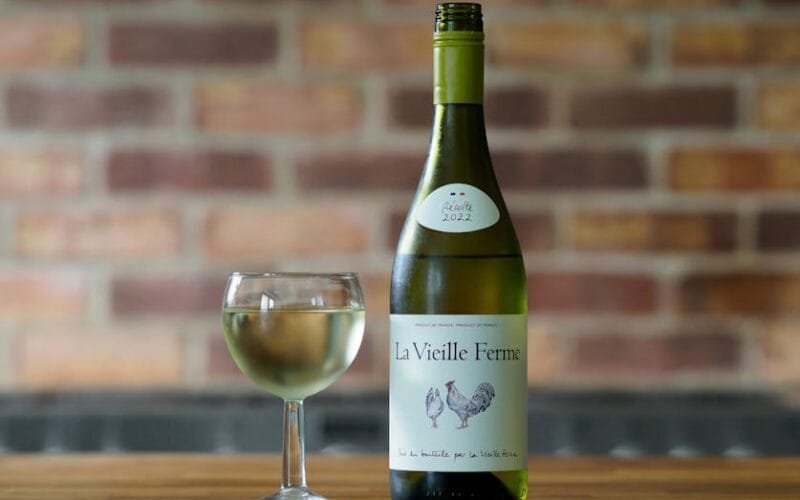
If you’ve ever wondered how to preserve natural wines without a cellar, you’re not alone. These unfiltered, minimally processed bottles are delicate beasts—prone to oxidation, temperature swings, and the slow unraveling of their wild, untamed character. The question isn’t just about keeping them safe; it’s about holding onto their essence. Take the Chardonnay en quatre vis from Marnes Blanches you’ve had in your cabinet for months. Is that bottle still singing? Or has the warmth of your home turned it into a muted echo? Natural wines thrive in controlled environments, but your kitchen isn’t a wine vault. Temperatures above 20°C…
Read More
The Art of Slow Roasting Coffee

The Art of Slow Roasting Coffee

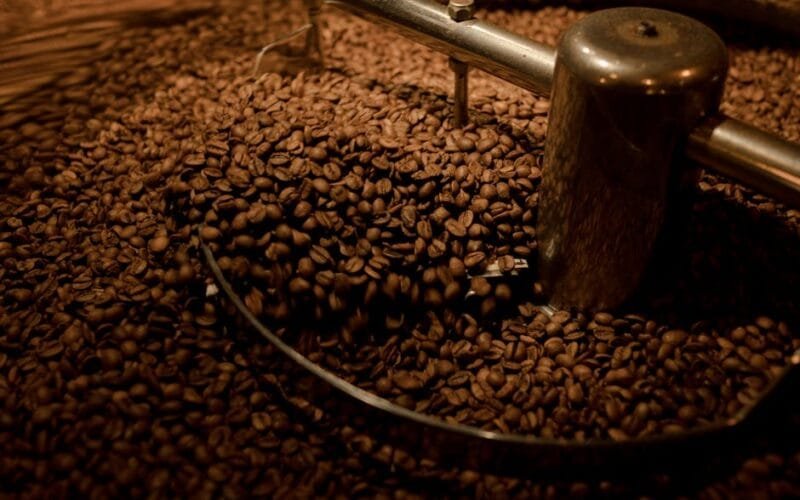
This is worth savoring: If your coffee is hitting the dark side too soon, you’re not alone. A roaster with an 8-minute timer can feel like a luxury, but when your beans are turning too quickly, it’s time to rethink your approach. You’re roasting between 60-80g of green beans, yet second crack hits by the 4-minute mark—leaving you with underdeveloped, grassy flavors. The question isn’t just about time; it’s about balance. How do you stretch the roast window without sacrificing quality? The problem lies in the interplay between heat, airflow, and bean density. Kenyan washed and Colombian beans, while flavorful,…
Read More
Cupping Without the Frills: Why Home Roasters Can Skip the Fancy Gear

Cupping Without the Frills: Why Home Roasters Can Skip the Fancy Gear

Get ready to sip on this: Home roasting doesn’t require a lab setup. If you’re asking whether you need specialized cupping bowls, the answer is almost always no. Cupping is a tool for evaluation, not a ritual. When you roast at home, your goal is to taste your own work, not chase SCA benchmarks. A basic mug, even a paper cup, can do the job. The real question isn’t whether your gear is “fancy”—it’s whether it’s functional for your purpose. Let’s cut through the noise. Cupping bowls are designed to hold liquid, not to alter flavor. A 12-ounce glass or…
Read More
Why Your Baratza Encore ESP’s Grinds Are Getting Coarser—And How to Fix It

Why Your Baratza Encore ESP’s Grinds Are Getting Coarser—And How to Fix It

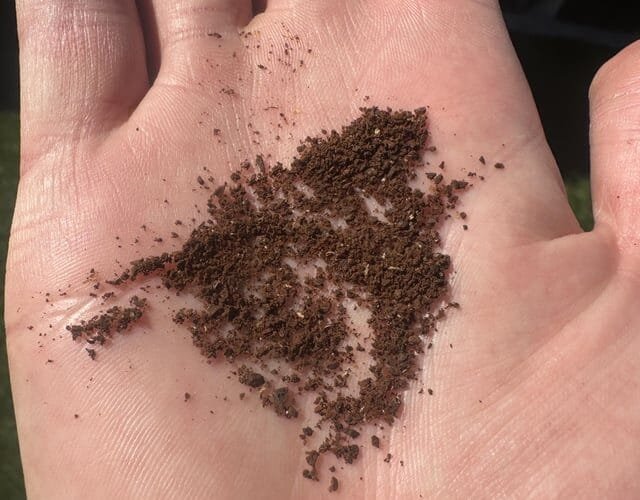
There’s something brewing with your Baratza Encore ESP—literally. After a year of daily use, that once-precise grinder is now spitting out coarse grinds, and your shots are finishing faster than a espresso martini. The culprit? A combination of wear, neglect, and maybe even a hidden setting you’ve overlooked. Let’s cut through the haze. The Baratza Encore ESP is a beast of consistency, but even the sturdiest machines have limits. Over time, the burrs—those precision-cut discs—can dull, especially if you’re grinding dark roasts or using a fine setting regularly. The fine setting isn’t magic; it’s a balance of burr alignment and…
Read More
The Tide and Xenia: A Battle of Espresso Innovation

The Tide and Xenia: A Battle of Espresso Innovation

Pour yourself a cup for this one: The espresso world is buzzing over two new contenders—Arkel Tide and Xenia—each promising to redefine what a modern machine can do. If you’re standing at the crossroads of precision and practicality, you’re not alone. Both machines hit the €3200 mark, share double boiler tech, and boast functional flow control, but their differences could sway your decision. Let’s cut through the noise. The Tide’s fully controllable gear pump is its standout feature. Unlike the Xenia’s rotary or vibrational systems, this allows for precise pressure profiling—a boon for those chasing nuanced extraction. Plus, its modern…
Read More
Why the Best Espresso Machines Are Getting Smaller (And What That Means for You)

Why the Best Espresso Machines Are Getting Smaller (And What That Means for You)

If you’ve ever wondered why the espresso world is shrinking—literally—this is the conversation you’ve been waiting for. The shift from bulky, industrial-grade machines to compact, precision-focused gear isn’t just a trend; it’s a redefinition of what matters in a café. For operators prioritizing control, consistency, and cost, downsizing isn’t a compromise—it’s a strategic move. The 2014 La Marzocco 4 group AV, while powerful, is overkill for many setups. Now, the focus is on machines that balance exacting temperature control, manageable output, and budget-friendly maintenance. Temperature precision is the holy grail for espresso quality. The ideal extraction window is razor-thin, and…
Read More
The Budget Espresso Machine Dilemma: Chinese Made or Not?

The Budget Espresso Machine Dilemma: Chinese Made or Not?

Coffee lovers, wine enthusiasts, tea devotees—here’s the burning question: Is a budget Chinese espresso machine worth the gamble? For those craving a real espresso experience without breaking the bank, these machines offer a tempting shortcut. But can they deliver the precision, consistency, and durability you expect from a premium machine? The answer isn’t black and white, but the data is clear: some models excel, while others fall short of the mark. The allure of Chinese espresso machines lies in their affordability. Prices often hover around $100–$200, a fraction of what Western brands charge. Yet, this low price tag comes with…
Read More
The Acidity Divide: Why Espresso Feels Tangy While Filter Coffee Feels Flat

The Acidity Divide: Why Espresso Feels Tangy While Filter Coffee Feels Flat

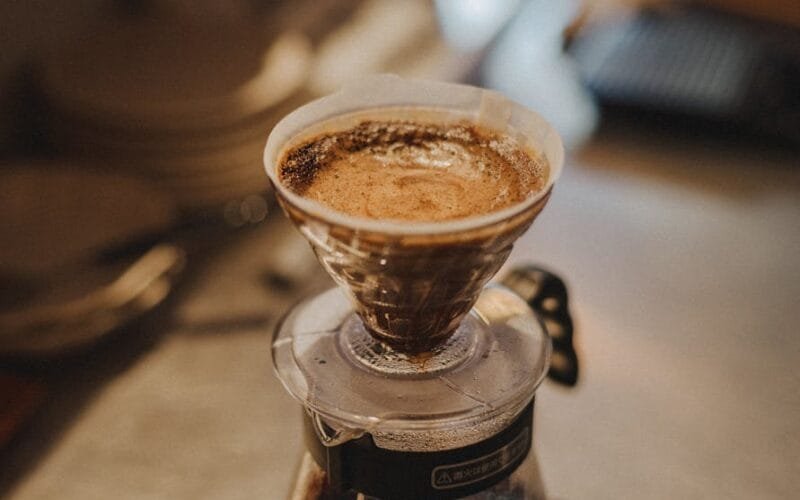
Time to spill: Ever wonder why your espresso has that bright, tangy edge while filter coffee feels flat? The answer lies in the chemistry of extraction, not your taste buds. Espresso’s acidity isn’t a flaw—it’s a byproduct of high-pressure brewing, which pulls out volatile compounds like malic and citric acids. These linger on your palate, creating that sharp, almost electric note. Filter coffee, by contrast, relies on gravity and longer contact time, coaxing out bitterness and heavier compounds instead. The result? A cup that’s more about depth than brightness. But it’s not just about method. Roast level plays a role…
Read More
Why Your Matcha Feels Like Green Water—and How to Fix It

Why Your Matcha Feels Like Green Water—and How to Fix It

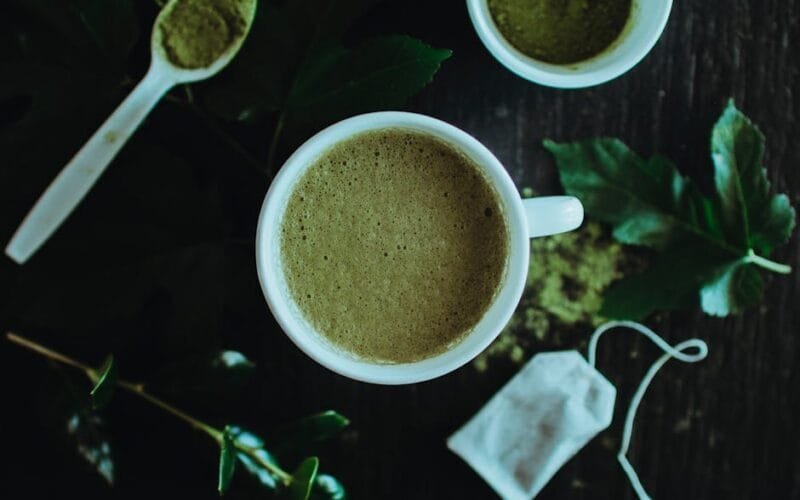
Real talk: Matcha isn’t magic—it’s chemistry. If your powder dissolves into a flat, unremarkable green liquid, you’re not doing anything wrong. You’re just using the wrong stuff. The culprit? A common misstep in the matcha game: confusing “latte powder” with “ceremonial grade.” The former is a budget-friendly shortcut designed for quick lattes, while the latter is a delicate, vibrant powder meant to be whisked into a frothy masterpiece. The problem starts with the powder itself. Low-quality matcha lacks the fine texture and umami depth of premium stuff. It’s like trying to make espresso with instant coffee—same base, no magic. Even…
Read More