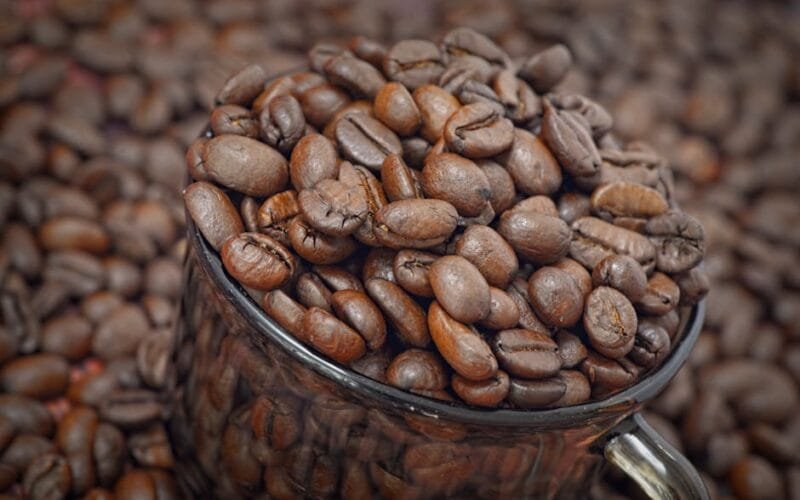
Real talk: Roasting your own coffee isn’t just a hobby—it’s a gateway to flavor, sustainability, and a deeper connection to your brew. If you’re dipping your toes into the world of home roasting, you’re not just chasing a better cup; you’re stepping into a craft that blends art, science, and ethical sourcing. The Reddit post you shared highlights a common starting point: a cast iron skillet and a bag of beans from Amazon. But to elevate this passion, you’ll need more than a skillet—you’ll need a roadmap.
Sourcing beans sustainably is the first hurdle. While Amazon offers convenience, it often lacks transparency. Look for direct trade suppliers or roasters with certifications like Fair Trade or Rainforest Alliance. Regions like Ethiopia’s Yirgacheffe or Colombia’s Huila produce beans with distinct profiles, but their environmental impact matters too. Ask vendors about their farming practices—organic methods, water conservation, or carbon-neutral shipping can make a world of difference. A few clicks on platforms like Bean There, Drink That or Caffeine & Cacao can land you high-quality, ethically sourced beans.
Equipment matters, but it doesn’t have to break the bank. A cast iron skillet works, but it’s a makeshift solution. For consistency, consider a dedicated roaster like the Hottop or a drum roaster, which controls temperature and airflow better. These tools let you dial in roast levels—light, medium, or dark—without burning your beans. If you’re budget-conscious, start small: a convection oven with a thermometer or a popcorn popper can mimic professional results. The key is precision.
Roasting is about balance. Too hot, and you’ll end up with bitter, overdone beans. Too slow, and you’ll miss the sweet, floral notes that make coffee sing. Aim for a temperature range of 350–450°F, adjusting based on bean type and desired outcome. A 3–5 minute roast for light profiles, 6–8 minutes for medium, and 9+ minutes for dark. Let the beans rest for 12–24 hours after roasting to release CO2 and stabilize flavor. Experiment, but always document your process.
Invest in equipment that offers control without overwhelming your budget.
KEY POINTS: Prioritize ethical suppliers who align with your values, not just price. Invest in equipment that offers control without overwhelming your budget. Document your roasting process to refine your technique and replicate success.
Close: What’s your favorite roast profile—and how do you keep your coffee habit sustainable? Share your story in the comments.
Questions & Answers
What equipment do I need to start roasting coffee at home?
A cast iron skillet, thermometer, and a reliable scale. Optional: a drum roaster for better control.
Where should I buy sustainable coffee beans?
Look for direct trade suppliers or certified roasters with Fair Trade or Rainforest Alliance labels. Avoid generic Amazon brands for transparency.
Information sourced from industry reports and news outlets.