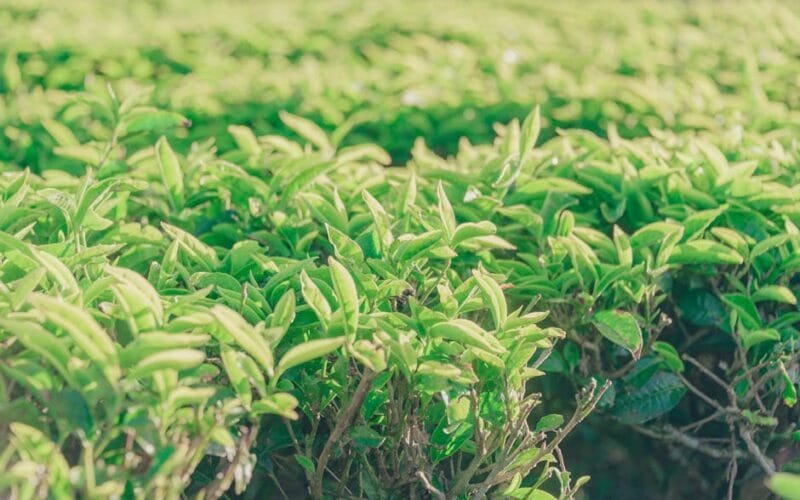
Consider this your morning briefing: California’s agricultural landscape is about to shift. Tea—America’s second-most-consumed beverage—has never been grown domestically, despite its ubiquity in 80% of U.S. households. With over 160 million Americans sipping it daily, the $6 billion annual import bill could be a missed opportunity. Enter Atef Swelam, director of UC Kearney Agricultural Research and Extension Center, who’s betting California’s climate can turn this global demand into a local boom.
The Central Valley’s unique microclimate, with its warm days and cool nights, is ideal for tea cultivation. As the Sustainable Groundwater Management Act forces farmland retirement, Swelam sees tea as a high-value crop that could maximize profit per acre. The UC Kearney center, which first planted tea in 1967 with Lipton’s funding, has been a testing ground for decades. Today, researchers are refining varieties suited to California’s soil, while 18 distinct cultivars thrive in the field.
The upcoming Tea Day event on March 19 offers a glimpse into this potential. Attendees will sample teas brewed from local plants, explore greenhouse stock, and weigh in on which varieties should take root. Swelam’s vision isn’t just about profit—it’s about redefining what California grows. “This isn’t just about tea,” he says. “It’s about innovation in agriculture.”
Key takeaways? California’s climate is primed for tea, the UC Kearney project is a blueprint for success, and growers have a chance to pivot their land toward a booming market.
What if California’s next cash crop isn’t just a drink—but a revolution.
What if California’s next cash crop isn’t just a drink—but a revolution? Share your thoughts below.
Questions & Answers
Is tea becoming a major crop in California?
Yes, tea is emerging as a significant crop in California, especially in regions like Napa and Sonoma, due to favorable climate and growing consumer demand.
What challenges does California tea farming face?
California tea growers face challenges like water scarcity, climate variability, and competition from traditional tea regions, impacting production and sustainability.
Information sourced from industry reports and news outlets.