⏱ 2 min read
The Short Version
Susucaru delivers a bold, earthy blend of barnyard, balsamic, and blood orange, with a raw, tension-filled profile that hints at both promise and a slightly missed picking window.
In This Article
- A Fermentation-Driven Flavor Profile
- The Picking Window: A Missed Opportunity?
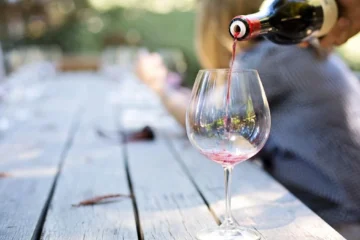
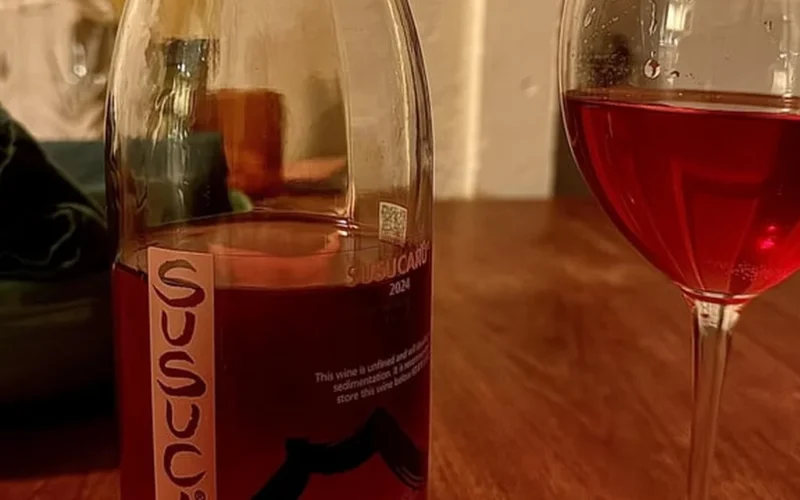
The first sip of Susucaru was a revelation—barnyard, balsamic, and blood orange collided in a way that felt both primal and precise. This is not a wine for the faint of heart; it’s a declaration of intent, a marriage of earthy intensity and ripe fruit that commands respect. The nose offered a complex interplay of saddle leather and rose, while the palate delivered a sharp, tart punch that clung to the finish like an unresolved tension.
The best wines are those that challenge the palate, not just please it—Susucaru does the former with a ferocity few can ignore.
A Fermentation-Driven Flavor Profile
Susucaru’s character is rooted in its winemaking process. The presence of significant Brettanomyces and volatile acidity gives it a raw, almost animalistic edge, while the fruit notes—strawberry, blood orange, and a whisper of floral honey—provide a counterbalance. It’s a wine that thrives on tension, where the earthy elements clash and coalesce into something greater than the sum of its parts. The comparison to Loire Valley Cabernet Franc isn’t accidental; both share a similar DNA of mineral-driven structure and a knack for expressing terroir with unflinching honesty.
The Picking Window: A Missed Opportunity?
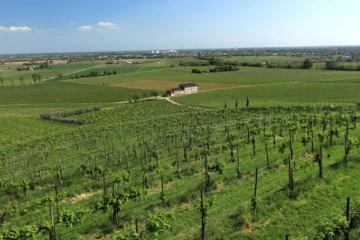
The wine’s potential feels slightly unrealized. At 12.5% alcohol, it lacks the concentration that a 13.5% version might have offered, leaving the fruit notes feeling diffuse against the early elements. This isn’t a flaw in execution but a suggestion that the grapes were harvested before their full maturity. The result is a wine that’s more about presence than depth, a tension that lingers long after the last sip. The best wines are those that challenge the palate, not just please it—Susucaru does the former with a ferocity few can ignore. Susucaru’s raw, unfiltered character is emblematic of a broader movement in natural winemaking, where the absence of intervention is embraced as a form of authenticity. For a discerning audience, this is not a flaw but a feature—a wine that speaks in the language of the vineyard, unpolished and unapologetic. What happens when a wine like Susucaru is given the chance to mature? Could the early elements soften, allowing the fruit to take center stage? Or is this precisely the point: to taste the raw, unfiltered truth of a vineyard’s character?
Questions & Answers
What gives Susucaru its earthy and complex flavor?
Susucaru's earthy and complex flavor comes from significant Brettanomyces and volatile acidity, which create a raw, animalistic edge. These elements clash with fruit notes like strawberry and blood orange, resulting in a tension that defines its character.
Why does Susucaru lack depth compared to other wines?
Susucaru lacks depth because it was harvested before full maturity, resulting in diffuse fruit notes against early earthy elements. This suggests a missed opportunity for greater concentration, leaving the wine more about presence than depth.
How does Susucaru compare to Loire Valley Cabernet Franc?
Susucaru shares a similar DNA with Loire Valley Cabernet Franc, both exhibiting mineral-driven structure and a knack for expressing terroir. This comparison highlights Susucaru's ability to convey authenticity and unflinching honesty through its earthy intensity.
What is the significance of Susucaru's unfiltered character?
Susucaru's unfiltered character is significant as it reflects a broader natural winemaking movement embracing authenticity through minimal intervention. This unpolished quality speaks directly to the vineyard, offering a bold, unapologetic expression of terroir.
Originally reported by Reddit Natural Wine.