⏱ 2 min read
The Short Version
Co-fermented coffees, once a niche experiment, are now a mainstream trend, driven by bold flavors and growing consumer demand for complexity. Roasters worldwide are embracing the technique, transforming it from a curiosity into a commercial success.
Co-fermented coffees are redefining the specialty coffee landscape—here’s how they’re becoming a defining trend. Once considered a curiosity, these fruit-forward blends now command attention in roasters’ showrooms, signaling a shift in both consumer preferences and industry priorities. Their ascent is deliberate, driven by a demand for bold, complex flavors that traditional methods cannot replicate.
“There’s a persistent idea that they’re one-dimensional, that a producer can just throw watermelon back in the tank and recreate the same coffee, but that isn’t how fermentation works.”
The Rise of a New Category
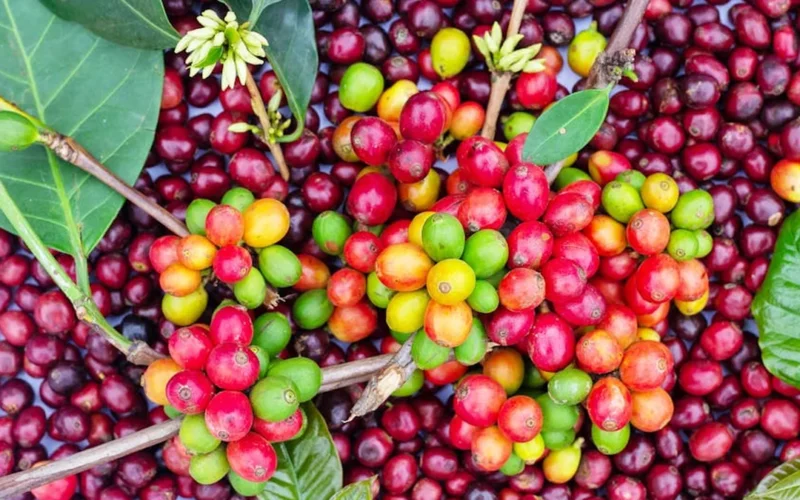
Co-fermentation—introducing fruit, herbs, or spices to coffee cherries during processing—has transitioned from an experimental technique to a commercial strategy. Roasters in the US, Japan, South Korea, and the UAE now regularly feature these bold, aromatic lots, fueled by markets that value complexity. “We’ve moved from niche to mainstream,” says Veronique Lagarde of Dak Coffee Roasters. This shift wasn’t just about popularity; it was about validating demand. Early pioneers like Dak and Perc Coffee tested the concept with limited releases, but the widespread presence of co-ferments at trade shows indicates broader industry acceptance. The process, which intentionally disrupts fermentation, yields profiles that are both unique and commercially viable.
How (and Why) People Are Drinking Them
Co-ferments are not everyday staples, but their intensity makes them well-suited for specific brewing methods. Cold brew, with its slow extraction, preserves their aromatic depth, while milk drinks temper their sharpness, allowing fruitiness to take center stage. “They’re not the first cup of the day,” says Chris Hall of Push x Pull. Instead, they’re reserved for moments of indulgence. This selective approach aligns with their role as flavor beacons—offering immediate, vivid references for new coffee drinkers. Yet, their potential extends beyond the cup. Roasters are exploring decaf and instant formats, pairing co-fermented lots with decaffeination to craft nuanced, premium products. “There’s a persistent idea that they’re one-dimensional, that a producer can just throw watermelon back in the tank and recreate the same coffee, but that isn’t how fermentation works.” Environmental considerations are also emerging as a key factor. Co-fermentation can influence water usage and waste management during processing, prompting discussions about sustainable practices. As the SCA’s new scoring system adapts to co-ferments, and larger brands begin to take notice, the category’s future remains uncertain. Will they dominate mainstream shelves or remain a specialty curiosity? Only time will tell. What will they look like in five years?
Questions & Answers
How are co-fermented coffees becoming a mainstream trend?
Co-fermented coffees are becoming mainstream as roasters in the US, Japan, South Korea, and the UAE now regularly feature them. This shift reflects a growing consumer demand for bold, complex flavors that traditional methods cannot replicate, moving them from niche to commercial strategy.
Why are co-fermented coffees popular in specialty coffee?
Co-fermented coffees are popular because they offer bold, aromatic profiles that stand out. Their unique flavors appeal to consumers seeking complexity, and their commercial viability has been validated by widespread industry acceptance and presence at trade shows.
What brewing methods work best with co-fermented coffees?
Co-fermented coffees work best with cold brew and milk drinks. Cold brew preserves their aromatic depth, while milk drinks temper their sharpness, allowing fruitiness to shine. These methods suit their intensity, making them ideal for special occasions rather than daily brewing.
Can co-fermented coffees be found in decaf or instant formats?
Yes, co-fermented coffees are being explored in decaf and instant formats. Roasters are pairing these lots with decaffeination to create nuanced, premium products, expanding their appeal beyond traditional brewing methods.
Originally reported by Perfect Daily Grind.