⏱ 1 min read
The Short Version
AI roast feedback, despite precision, misses the nuanced art of coffee roasting, leaving roasters torn between data and instinct. The best roasts align with a bean’s unique story, not just algorithmic suggestions.
In This Article
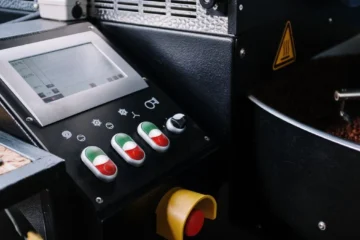
Roast profiles are foundational to coffee quality, yet many roasters still rely on trial and error to refine development time. Enter the Kaleido M6, a machine that promises precision, but even its AI-generated feedback feels like a starting point rather than a conclusion. The user behind this profile—roasting 120 batches of washed beans to Full City+—isn’t seeking fruit-forward complexity. They’re aiming for balance, but the AI keeps recommending extended development, leaving them caught between data and instinct.
The most valuable roast isn’t the one that follows the script—it’s the one that *fits* the bean’s story.
The AI Paradox
Machine learning can forecast patterns, but it can’t interpret the subtleties of a bean’s origin or processing. The Kaleido M6’s feedback is a useful suggestion, yet it often overlooks the nuances of a roast’s progression. For instance, a longer development time might obscure flaws in a bean’s source or preparation, rather than amplifying its potential. The roaster’s struggle is common: how do you trust a tool trained on averages, not individual batches?
The Human Edge
Roasting is less about calculation and more about sensing a bean’s transformation. The user’s method—roasting 454g batches to isolate variables—is thoughtful, but even detailed data can’t replicate the chemistry of heat and time. A roast deemed “perfect” by algorithm might lack the clarity or depth a human palate identifies.
The most valuable roast isn’t the one that follows the script—it’s the one that fits the bean’s story.
So here’s the question: If your AI suggests a longer development time, what’s the first thing you’d adjust to maintain the roast’s integrity? Share your approach below.
Questions & Answers
How does AI roast feedback fail to capture roast quality?
AI roast feedback often misses the subtleties of a bean’s origin and processing. It suggests extended development times based on averages, which can obscure flaws rather than enhance the roast’s potential. The roaster’s goal of balance isn’t always aligned with AI recommendations, highlighting a gap between data and sensory judgment.
Why is human intuition important in coffee roasting?
Human intuition is crucial because roasting is less about calculation and more about sensing a bean’s transformation. Even detailed data can’t replicate the chemistry of heat and time. A roast deemed “perfect” by an algorithm may lack the clarity or depth a human palate identifies.
What challenges do roasters face with AI-generated roast profiles?
Roasters face challenges trusting AI tools trained on averages rather than individual batches. The Kaleido M6’s feedback, while useful, often overlooks the nuances of a roast’s progression. This creates a struggle between relying on data and relying on instinct to achieve the desired balance.
How can roasters maintain integrity when AI suggests longer development times?
Roasters can maintain integrity by adjusting variables like temperature or batch size to align with the bean’s story. The most valuable roast isn’t the one that follows the script—it’s the one that fits the bean’s unique characteristics and potential.
Originally reported by Reddit Coffee Roasting.