⏱ 1 min read
The Short Version
A Japanese tea master reveals that perfect matcha lies in precise temperature, ritual, and mindfulness, transforming it into a moment of stillness rather than just a drink. Tradition and modernity coexist in his art, preserving authenticity while embracing new interpretations.
In This Article
Here’s something to stir your curiosity: a Japanese tea master’s secret to perfecting matcha lies in the quiet interplay of temperature, ritual, and intention. Yoshitsugu Naganoto, a revered tea artisan, insists the drink’s magic isn’t just in its ingredients but in the mindful act of preparing it. “Matcha isn’t a beverage—it’s a moment of stillness,” he says. For centuries, the powdered green tea has been a cornerstone of Japanese culture, yet its global rise has sparked debates about authenticity. Naganoto’s insights cut through the noise, revealing how tradition and reinvention can coexist.
The temperature determines the foam, which greatly affects flavor perception.
The Ritual of Matcha
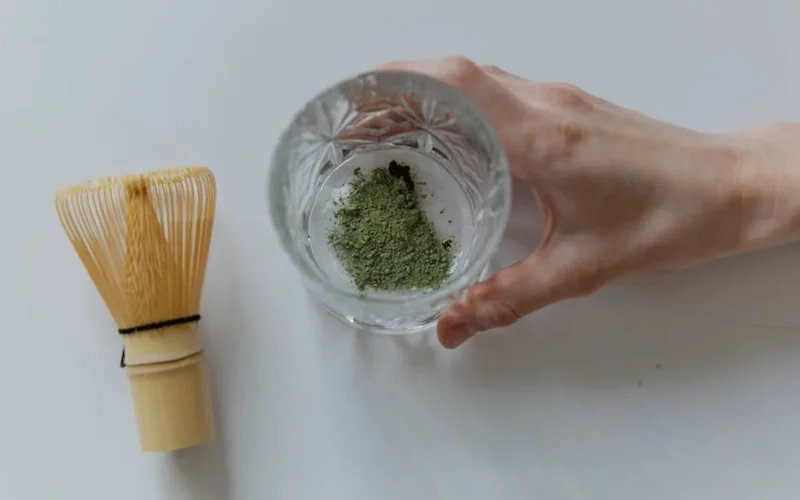
At the heart of Naganoto’s philosophy is the ritual itself. A bamboo whisk, a small bowl, and water at precisely 80°C (176°F) are non-negotiable. “The temperature determines the foam,” he explains. “Foam matters because it releases aromatic compounds when it bursts in the mouth—like champagne or lattes.” The process is meditative, requiring 50 deliberate strokes of the chasen to blend powder and water into a thick, emerald liquid. “It’s not about speed,” he says. “It’s about aligning your breath, posture, and focus.” The bowl, reserved solely for matcha, becomes a vessel for mindfulness, its presence a reminder that the drink is more than sustenance—it’s a bridge to the present.
A Tradition Reimagined
Naganoto acknowledges matcha’s evolution beyond its Japanese roots. While he champions the traditional ritual, he also sees value in modern adaptations. “Adding milk or sweeteners is fine,” he says. “But the core remains: respect for the tea.” He draws parallels to the California roll, a fusion that preserved sushi’s essence while embracing new contexts. Today, matcha lattes, desserts, and cocktails reflect this duality. “Different cultures meeting and creating something new is what makes it thrive,” he says. Yet, for Naganoto, the truest form of matcha remains in its simplicity—a cup made with intention, sipped slowly, and savored in silence.
The temperature determines the foam, which greatly affects flavor perception. What’s your take on matcha’s evolving role in global culture?
Questions & Answers
How does the matcha ritual reflect mindfulness?
The matcha ritual reflects mindfulness through deliberate actions like using a bamboo whisk and water at 80°C. Each of the 50 strokes is a meditative act that aligns breath, posture, and focus. The bowl, used only for matcha, becomes a reminder to savor the moment and connect with the present.
Why is temperature important in making matcha?
Temperature is crucial in making matcha because it affects the foam, which releases aromatic compounds when it bursts in the mouth. Water at 80°C (176°F) ensures the right balance of texture and flavor, enhancing the drink’s complexity and sensory experience.
Can matcha be adapted for modern tastes?
Yes, matcha can be adapted for modern tastes, such as adding milk or sweeteners. However, Naganoto emphasizes that the core of matcha remains its simplicity and respect for the tea. Modern adaptations like lattes and desserts show how tradition and innovation can coexist without losing its essence.
What makes a traditional matcha experience unique?
A traditional matcha experience is unique because it combines intention, ritual, and mindfulness. It uses specific tools like a bamboo whisk and a dedicated bowl, along with precise temperature and technique. This creates a moment of stillness that connects the drinker to the present and the cultural heritage of matcha.
Originally reported by Yahoo.