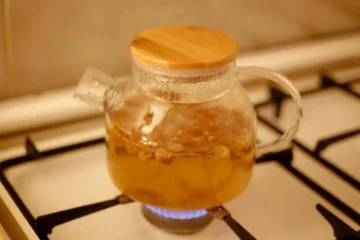
Here’s what you need to know: Ohio Tea Company’s sticky rice shou puer isn’t your typical rock puer. This sample, sourced from Taobao, delivered a revelation in aroma, texture, and brewing nuance. At first sip, the tea’s bitterness hinted at a common shou pitfall—until the temperature dropped to 90°C. The shift dissolved the harshness instantly, revealing layers of floral sweetness and a velvety mouthfeel. Unlike rock puer, which relies on fermented herbs, this version features the herb pressed directly into the cake. Nuo Mi Xiang (Semnostachya menglaensis), a rare plant, is the unsung hero here. Its earthy yet floral notes are unmistakable, a testament to nature’s ability to surprise even seasoned tea drinkers.
The brewing process unlocked the tea’s potential. A boiling wash (100°C) expanded the mini cake fully by the second infusion, releasing loose leaves that unfurled like origami. Subsequent steeps at 90°C, starting with 10-second intervals, built complexity—earthy undertones, a hint of caramel, and a clean finish. While six steeps sufficed, extending the session by starting at 90°C immediately after the wash could yield deeper flavors. This isn’t just a shou puer; it’s a masterclass in balancing fermentation and herb integration.
Key takeaways? First, brewing temp is non-negotiable—90°C unlocks its true character. Second, Nuo Mi Xiang’s role as a flavor driver is a game-changer, proving that not all shou puer relies on rock-like density. Third, this tea’s affordability makes it a standout in the sticky rice category. A rare find that marries quality and value.
Want to know how you’d approach a similar tea? Share your brewing hacks below.
Questions & Answers
What makes Ohio Tea Company’s sticky rice shou puer unique?
It uses Nuo Mi Xiang, a rare herb, pressed directly into the cake, offering earthy and floral notes unlike typical rock puer.
How to brew Ohio Tea Company’s sticky rice shou puer?
Use a boiling wash (100°C) followed by a lower temperature (90°C) to unlock its floral sweetness and velvety mouthfeel.
Information sourced from industry reports and news outlets.