Let’s talk about the moments that linger long after the espresso machines pack up. At WoC San Diego 2026, the show floor wasn’t just a marketplace—it was a living, breathing ecosystem of passion, innovation, and quiet revolutions. Amid the hum of machines and the clatter of crates, the true magic unfolded in the details: a roaster’s pride in a single origin, a certification’s quiet fight for biodiversity, and the surreal act of dismantling a city built for coffee.
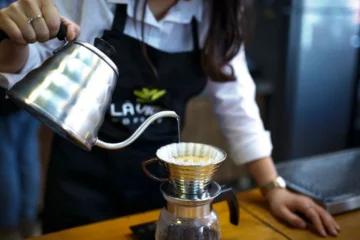
Small-scale roasters and importers turned the Roaster Village into a microcosm of the industry’s soul. Picture this: independent roasters, sleeves rolled up, handing out beans like they were heirlooms. Indianapolis’s Helm Coffee Roasters brought a Colombian Pink Bourbon from Yulieth Mora, its notes of yuzu and raspberry echoing the care that went into growing it. Meanwhile, San Diego’s Color Magic collaborated with Friends of Friends on a Guatemala roast, blending artistry with practicality. These weren’t just samples—they were stories, told one cup at a time.
Then there’s the Bird Friendly certification, a reminder that coffee isn’t just about flavor. The Smithsonian’s Bird Friendly program isn’t just a label; it’s a call to action. By certifying farms that prioritize biodiversity over monoculture, it’s fighting for migratory birds and ecosystems disrupted by decades of deforestation. It’s a rare example of the industry proving that sustainability isn’t a buzzword—it’s a blueprint.
As the event wound down, the show floor transformed into a scene from a post-apocalyptic movie. Forklifts dodged panicked booth staff, and union workers wrestled with the “W” sign. Yet amid the chaos, there was clarity: this event is more than trade show. It’s a ritual of reinvention, where the coffee world builds a city, shares its dreams, and then quietly packs it away until next year.
Independent roasters turned samples into storytelling, while certifications like Bird Friendly redefined what it means to grow coffee sustainably.
Key points: The show floor wasn’t just about coffee—it was a stage for innovation and ecological responsibility. Independent roasters turned samples into storytelling, while certifications like Bird Friendly redefined what it means to grow coffee sustainably. And when the lights dimmed, the real takeaway wasn’t the gear packed away—it was the shared vision of a community building something bigger than itself.
What’s your favorite memory from WoC San Diego? How do you see coffee’s role in shaping a more sustainable future?
Questions & Answers
What unique coffee was featured at WoC San Diego 2026?
Indianapolis’s Helm Coffee Roasters showcased Colombian Pink Bourbon from Yulieth Mora, noted for its yuzu and raspberry flavors.
What made the Roaster Village special at WoC San Diego?
The Roaster Village highlighted small-scale roasters sharing rare beans, creating an intimate space for coffee culture and connection.
Information sourced from industry reports and news outlets.