Get ready to sip on this: A new study suggests civet coffee isn’t just a luxury—it’s a biochemical experiment. Researchers analyzing unroasted robusta beans from wild civet droppings in India found subtle but measurable differences in fat content and fatty-acid profiles compared to conventionally processed beans. The results? A molecular fingerprint that hints at the animal’s digestive process reshaping the bean’s flavor potential. But here’s the twist: the study’s authors admit the distinction is faint, and the broader debate about civet coffee’s value remains unresolved.
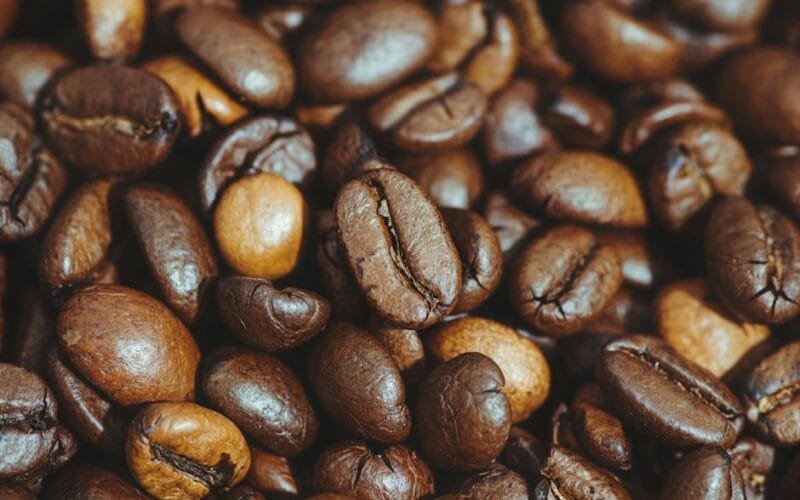
The research, published in Scientific Reports, focused on raw green coffee, comparing beans from wild civets with those from ripe cherries on the same estates. Using gas chromatography-mass spectrometry, scientists identified two compounds—caprylic and capric acid methyl esters—as significantly higher in civet-derived beans. These molecules, the authors note, are known for their dairy-like aroma and creamy texture in food. “The civet’s digestive process acts like a natural ferment,” the team wrote, “altering the bean’s chemistry to amplify its sensory profile.” Yet the study stops short of declaring civet coffee inherently superior. When analyzed as a group, the beans showed little overall divergence.
This isn’t the first time science has probed civet coffee’s mystique. Earlier research questioned whether the animal’s role truly enhances flavor or if the hype overshadows ethical concerns. The new study adds nuance but doesn’t settle the argument. For one, it focused on robusta, while premium civet coffee is often marketed as arabica. Plus, the authors acknowledge the industry’s murky ethics: wild civets are increasingly bred in captivity, and counterfeit products flood the market. The Civet Project Foundation recently exposed widespread fraud in online sales, underscoring how science alone can’t untangle the mess of quality, cruelty, and consumer deception.
So what’s the takeaway? Civet coffee’s chemical profile is subtly altered by the animal’s digestion, but the difference is small. The real debate isn’t about science—it’s about value, ethics, and whether the process justifies the price. If you’re sipping it, ask yourself: is it the bean, the beast, or the brand that’s making you pay?
What’s your take on civet coffee’s science vs.
What’s your take on civet coffee’s science vs. story? Weigh in below.
Questions & Answers
Does civet coffee have a unique chemical profile?
Yes, civet coffee shows subtle differences in fat content and fatty-acid profiles, suggesting the animal’s digestion may alter the bean’s molecular makeup.
Is civet coffee’s value scientifically proven?
No, the study notes the differences are faint, and the broader value of civet coffee remains debated among experts.
Information sourced from industry reports and news outlets.