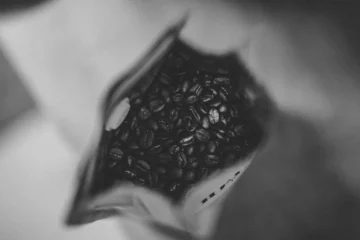
Time to spill: The coffee world is heating up—literally and financially. From climate-driven experiments to corporate pivots, the specialty coffee scene is shifting faster than a pour-over’s bloom. The Specialty Coffee Association’s World of Coffee is heading to New Orleans in 2027, but the real action is already unfolding in cafes and labs worldwide.
Coffee’s price surge is outpacing inflation, climbing 18.4% in the past year alone. A pound of roast now costs $9.46—double what it was in 2020. This isn’t just a trend; it’s a crisis. Retailers are scrambling, and consumers are feeling the pinch. Meanwhile, Brazil’s researchers are betting on science to save the crop. By crossbreeding arabica with hardier species like liberica, they’re creating plants that can survive droughts and heat. It’s a bold move, but one that could redefine the future of coffee farming.
The corporate stakes are just as high. Keurig’s acquisition of JDE Peet’s has landed Rafael Oliveira in a new role leading Global Coffee Co., a spinoff with a mandate to innovate. Meanwhile, Starbucks, despite a £29.8 million UK loss last year, is doubling down on expansion with 500 new stores. It’s a gamble that speaks to the brand’s confidence—and its willingness to weather the storm.
The key takeaway? The coffee industry is at a crossroads. Climate threats, rising costs, and shifting consumer habits are forcing players to adapt or risk being left in the cup. Whether it’s lab-grown beans or bold expansion bets, the next chapter is already brewing.
Will innovation save the crop, or will rising costs force a reckoning.
What’s your take on the coffee industry’s future? Will innovation save the crop, or will rising costs force a reckoning? Drop a comment and let’s stir the pot.
Questions & Answers
What’s causing the coffee price surge?
Climate change and supply issues drive coffee prices up, rising 18.4% in a year. Costs now hit $9.46 per pound, double from 2020, straining retailers and consumers.
How is Brazil addressing coffee crop challenges?
Brazil is crossbreeding arabica with hardier species like liberica to create drought- and heat-resistant plants, aiming to save the coffee crop from climate threats.
Information sourced from industry reports and news outlets.